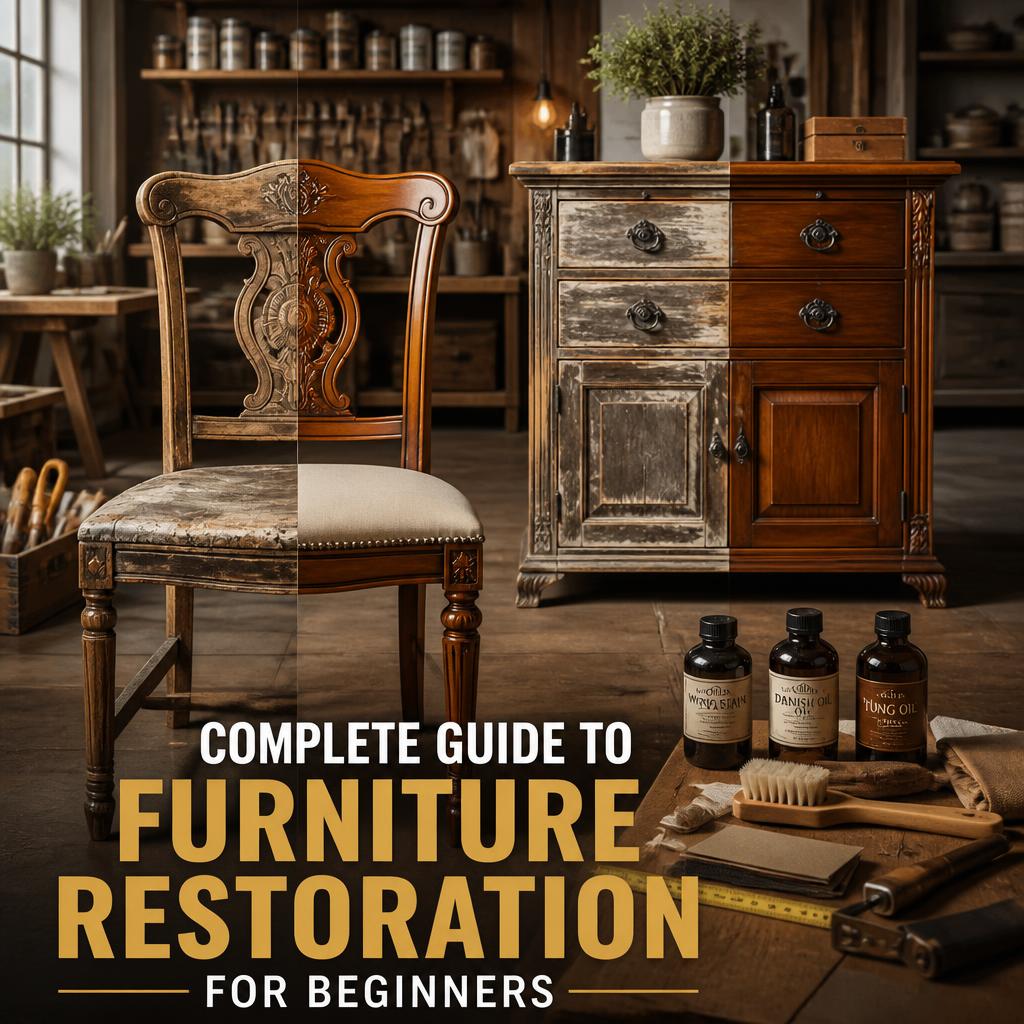
Tag: wooden furniture restoration

  • Complete Guide to Furniture Restoration for Beginners

    Complete Guide to Furniture Restoration for Beginners

    shultzrefinishing.com – Complete Guide to Furniture Restoration for Beginners is the perfect starting point for anyone who wants to bring old, damaged, or forgotten furniture back to life. Many people think restoring furniture requires expensive tools or professional skills, but the truth is that anyone can learn this craft with patience, creativity, and the right techniques. From an antique wooden chair sitting in your storage room to a vintage table found at a local market, furniture restoration offers a fun way to create beautiful pieces while saving money.

    Furniture restoration is not just about repairing scratches or applying a fresh coat of paint. It is about understanding the history, materials, and structure behind each piece. Whether you want to restore furniture as a hobby, improve your home interior, or start a small creative project, learning the basics will help you achieve better results.

    What Is Furniture Restoration and Why Is It Worth Learning?

    Furniture restoration is the process of repairing, cleaning, improving, and preserving old furniture so it can return to its original beauty and function. Unlike simply replacing old furniture with new products, restoration focuses on maintaining character and quality.

    Many older furniture pieces were made with solid wood and detailed craftsmanship that are difficult to find in modern mass-produced items. Restoring them allows you to keep unique designs while reducing waste.

    The Growing Popularity of Restoring Old Furniture

    In recent years, furniture restoration has become a popular trend among homeowners, designers, and creative enthusiasts. The rise of sustainable living and eco-friendly design has encouraged more people to reuse existing furniture instead of buying new items.

    Restoration also creates a personal connection. A restored cabinet or chair often carries a story, making it more meaningful than a factory-made product.

    Understanding Different Types of Furniture Before Restoration

    Before starting any project, beginners should understand what type of furniture they are working with. Different materials require different restoration methods.

    Wood Furniture Restoration Basics

    Wood furniture is one of the most common restoration projects. Pieces made from oak, teak, mahogany, or walnut often have strong structures but may suffer from scratches, faded finishes, or surface damage.

    Common restoration steps include:

    • Cleaning dirt and old residue
    • Removing damaged finishes
    • Repairing cracks or loose joints
    • Sanding rough surfaces
    • Applying protective finishes

    Using the correct approach prevents unnecessary damage and keeps the natural beauty of the wood.

    Restoring Upholstered Furniture for Beginners

    Chairs, sofas, and benches with fabric coverings require different techniques. Upholstery restoration usually involves replacing old fabric, repairing padding, and checking the internal frame.

    Beginners should start with smaller projects like dining chairs before moving to larger furniture pieces.

    Essential Tools Every Beginner Needs for Furniture Restoration

    Having the right tools makes restoration easier and safer. Beginners do not need a professional workshop, but several basic items can improve the process.

    Basic Restoration Equipment Checklist

    Some important tools include:

    • Sandpaper with different textures
    • Screwdrivers and small repair tools
    • Wood filler
    • Paint brushes
    • Protective gloves
    • Cleaning cloths
    • Measuring tape
    • Safety goggles

    A simple workspace with good lighting and ventilation is also important, especially when using paints, stains, or cleaning products.

    How to Inspect Old Furniture Before Starting a Project

    A common mistake among beginners is immediately sanding or painting furniture without checking its condition first. Proper inspection helps determine what repairs are actually needed.

    Checking Structure, Damage, and Material Quality

    Look carefully at:

    • Loose connections
    • Wood cracks
    • Water damage
    • Insect damage
    • Rusted hardware
    • Previous repairs

    A beautiful surface means little if the furniture structure is weak. Always fix stability issues before focusing on appearance.

    Step-by-Step Furniture Restoration Process for Beginners

    A successful restoration project follows a clear process. Taking shortcuts may create more problems later.

    Step 1: Cleaning and Preparing the Furniture

    The first step is removing dust, grease, and old dirt. Use gentle cleaning methods because aggressive chemicals can damage original finishes.

    After cleaning, allow the furniture to dry completely before continuing.

    Step 2: Repairing Damaged Areas

    Small problems such as scratches, holes, or loose joints can often be repaired at home. Wood filler works well for minor surface damage, while stronger repairs may require professional techniques.

    Always focus on maintaining the original structure instead of completely changing the character of the piece.

    Step 3: Sanding and Removing Old Finishes

    Sanding helps create a smooth surface and prepares furniture for new finishes. Beginners should start with medium-grit sandpaper before moving to finer textures.

    Avoid excessive sanding because it can remove important details, especially on antique furniture.

    Step 4: Applying Paint, Stain, or Protective Coating

    The finishing stage gives restored furniture its final appearance. You can choose between natural wood stains, colorful paint, or clear protective coatings.

    A matte finish creates a modern appearance, while a glossy finish provides a classic polished look.

    Common Mistakes Beginners Should Avoid During Restoration

    Furniture restoration requires patience. Many beginners make mistakes because they focus too much on quick results.

    Ignoring the Original Character of Furniture

    One of the biggest mistakes is completely covering unique details with thick paint layers. Vintage furniture often has special features that should remain visible.

    Using Incorrect Restoration Products

    Not every cleaning product works for every material. Strong chemicals may permanently damage wood, fabric, or decorative elements.

    Always research the material before applying anything.

    Creative Ideas to Transform Old Furniture Into Modern Pieces

    Restoration does not always mean returning furniture exactly to its original condition. Many people combine traditional designs with modern creativity.

    Modern Furniture Makeover Inspiration

    Some popular ideas include:

    • Combining natural wood with modern colors
    • Adding new handles or hardware
    • Creating minimalist designs
    • Mixing vintage and contemporary styles

    This approach is often called upcycling, where old products gain a new purpose and improved appearance.

    How Long Does Furniture Restoration Usually Take?

    The time required depends on the furniture condition, size, and restoration method. A small chair may take a weekend, while a large cabinet could require several weeks.

    Factors That Affect Restoration Time

    Several things influence the timeline:

    • Amount of damage
    • Drying time for finishes
    • Required repairs
    • Level of detail
    • Experience level

    Beginners should avoid rushing because quality restoration depends heavily on careful work.

    Building Skills and Improving Your Furniture Restoration Technique

    Like any creative activity, restoration skills improve through practice. Starting with simple projects allows beginners to learn techniques without feeling overwhelmed.

    Learning From Restoration Communities

    Many restoration enthusiasts share ideas through online communities, workshops, and creative platforms. Watching experienced restorers can provide valuable knowledge about tools, materials, and problem-solving methods.

    Over time, beginners can develop their own style and approach.

    The Environmental Benefits of Furniture Restoration

    Furniture restoration is not only a creative hobby but also an environmentally responsible choice. Reusing old furniture reduces waste and decreases demand for new materials.

    Supporting Sustainable Interior Design

    The restoration movement connects with sustainable interior design, which focuses on creating beautiful spaces while considering environmental impact.

    A restored furniture piece can become a unique centerpiece that adds personality to any room.

    Final Thoughts on Complete Guide to Furniture Restoration for Beginners

    Learning furniture restoration opens the door to creativity, sustainability, and practical skills that anyone can develop. Through the Complete Guide to Furniture Restoration for Beginners, you can understand how old furniture transforms into valuable pieces with proper cleaning, repairs, finishing techniques, and creative ideas. Whether you restore a family heirloom or discover a forgotten piece from a second-hand store, every project provides a chance to create something special with your own hands.
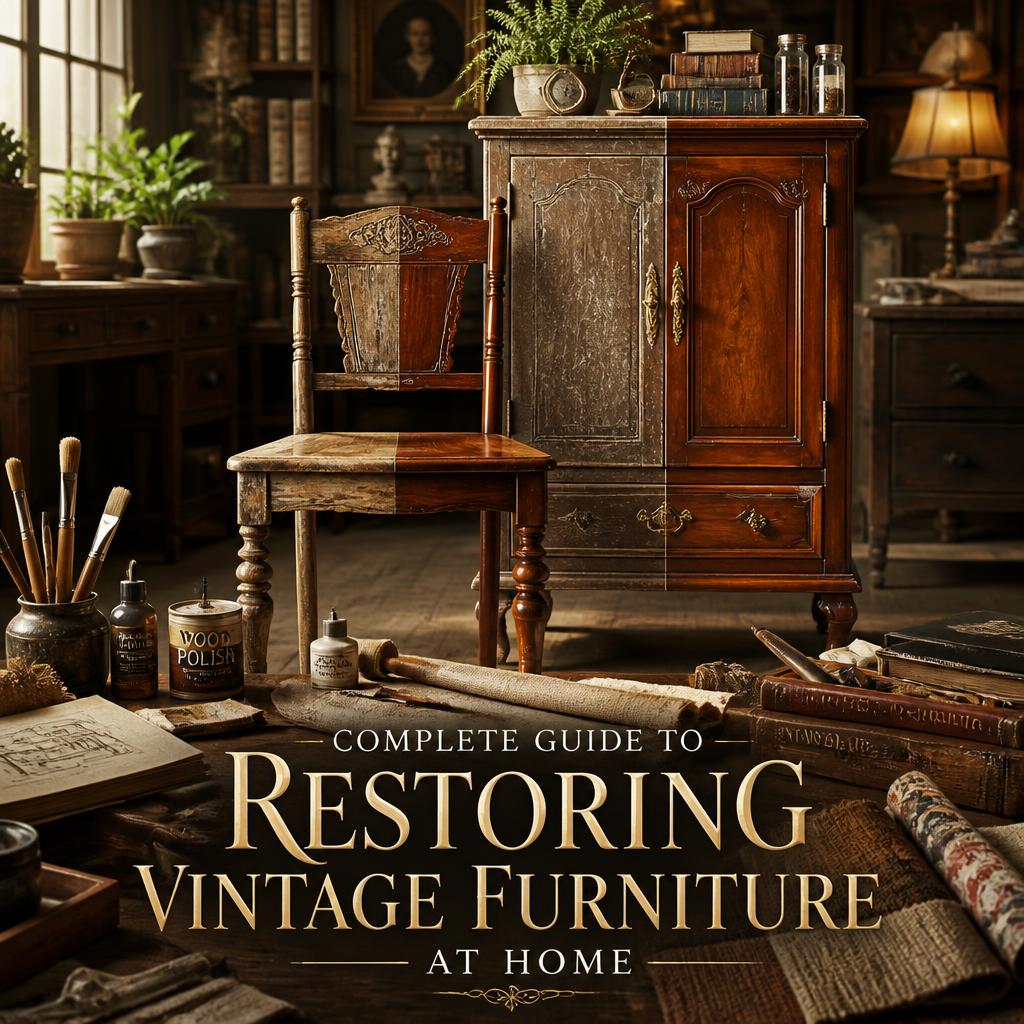

  • Complete Guide to Restoring Vintage Furniture at Home

    Complete Guide to Restoring Vintage Furniture at Home

    Complete Guide to Restoring Vintage Furniture at Home: Transform Old Pieces Into Beautiful Treasures

    Complete Guide to Restoring Vintage Furniture at Home is the perfect starting point for anyone who wants to bring old furniture back to life while preserving its unique character. Vintage furniture carries stories from the past, and restoring these pieces allows homeowners to combine classic charm with modern comfort. Whether you find an antique chair in your grandmother’s storage room, an old wooden cabinet from a flea market, or a forgotten table in your garage, restoration can turn worn furniture into something valuable and beautiful again.

    Restoring vintage furniture is not only about making old items look new. It is also about understanding materials, learning traditional techniques, and appreciating craftsmanship from different eras. With the right tools, patience, and a little creativity, anyone can start a restoration project at home without needing professional experience. – shultzrefinishing.com


    Why Vintage Furniture Restoration Is Becoming Popular Again

    Vintage furniture restoration has gained attention because more people are looking for sustainable and meaningful ways to decorate their homes. Instead of buying mass-produced furniture, many homeowners prefer pieces with history and personality.

    Modern furniture often follows temporary trends, while vintage designs usually feature strong construction, natural materials, and detailed craftsmanship. Many older furniture pieces were made from solid wood such as oak, teak, walnut, or mahogany, making them suitable for restoration projects.

    Another reason restoration has become popular is the rise of the slow living movement. This lifestyle encourages people to value quality, sustainability, and items that have emotional connections rather than constantly replacing household products.


    Understanding the Basics of Vintage Furniture Before Restoration

    Before starting any restoration project, it is important to understand what makes furniture vintage. Generally, vintage furniture refers to pieces that are several decades old but are not always considered antique. Antique furniture usually has a longer history and often requires more specialized preservation methods.

    Identifying Furniture Materials and Construction

    The first step is checking the material and construction style. Look carefully at:

    • Type of wood used
    • Joinery techniques
    • Original hardware
    • Surface finishing
    • Signs of previous repairs

    Traditional furniture often uses techniques such as dovetail joints and handcrafted connections. These details can reveal the quality and approximate age of the piece.

    Checking the Condition of the Furniture

    Every restoration project begins with a careful inspection. Look for:

    • Scratches and dents
    • Loose joints
    • Cracks in wood
    • Rusted metal parts
    • Damaged upholstery
    • Wood pests or moisture problems

    Understanding the damage helps determine whether the furniture needs simple cleaning or complete restoration.


    Essential Tools Needed for Home Furniture Restoration

    Having the correct tools makes the restoration process easier and safer. Beginners do not need a professional workshop, but several basic supplies are highly recommended.

    Basic Restoration Equipment

    Some useful tools include:

    • Sandpaper with different textures
    • Paint scraper
    • Wood glue
    • Small brushes
    • Screwdrivers
    • Protective gloves
    • Safety glasses
    • Cleaning cloths
    • Wood filler
    • Finishing oil or furniture wax

    For more advanced projects, additional equipment such as an electric sander, orbital sanding machine, and specialized woodworking tools can improve efficiency.


    Step-by-Step Process for Restoring Old Furniture at Home

    Furniture restoration requires patience because each step affects the final appearance. Rushing the process can damage original details or reduce the value of the piece.

    Step 1: Clean the Furniture Carefully

    Begin by removing dust, dirt, and old residue. Use a soft cloth with mild cleaning solutions to avoid damaging the original surface.

    Avoid harsh chemicals because they can remove natural aging marks known as patina. Many collectors consider patina an important feature because it represents the history of the furniture.

    Step 2: Remove Old Finishes When Necessary

    Some furniture pieces have multiple layers of paint, varnish, or coating. If the original surface is damaged, removing the old finish may be required.

    Chemical strippers can help remove stubborn coatings, but they must be used carefully with proper ventilation. Always follow safety instructions when working with restoration chemicals.

    Step 3: Repair Structural Damage

    Before improving appearance, focus on strength and stability. Tighten loose screws, repair broken joints, and replace damaged components when needed.

    A beautiful-looking chair is not truly restored if it remains unstable or unsafe to use.


    Choosing the Right Restoration Style for Vintage Pieces

    Every furniture owner has a different goal. Some people want to preserve the original appearance, while others prefer a creative transformation.

    Traditional Restoration Approach

    Traditional restoration focuses on maintaining authenticity. This method usually keeps:

    • Original colors
    • Natural wood texture
    • Historical hardware
    • Existing design elements

    Collectors often prefer this approach because it protects the furniture’s identity.

    Modern Vintage Makeover

    A modern approach allows more creativity. You can combine classic shapes with contemporary colors, fabrics, or finishes.

    For example, an old wooden cabinet can receive a fresh paint color while keeping its original handles and structure.


    How to Refinish Vintage Furniture Like a Professional

    Refinishing is one of the most satisfying parts of restoration because it reveals the hidden beauty of old materials.

    The process usually involves sanding, staining, sealing, and polishing. Proper sanding creates a smooth surface while maintaining the natural character of the wood.

    For homeowners searching for practical techniques, Complete Guide to Restoring Vintage Furniture at Home can help explain how different restoration methods work depending on furniture type, material, and damage level.

    Using Natural Finishing Products

    Many restoration enthusiasts choose natural products such as:

    • Beeswax polish
    • Tung oil
    • Linseed oil
    • Natural wood conditioner

    These products enhance wood grain while creating a protective layer.


    Restoring Upholstered Vintage Furniture With Care

    Wood is not the only material found in vintage furniture. Sofas, chairs, and benches often require upholstery restoration.

    Replacing Old Fabric and Padding

    Old fabric may contain stains, tears, or weakened fibers. Replacing upholstery can completely change the appearance of a furniture piece.

    Common upholstery materials include:

    • Cotton fabric
    • Linen
    • Velvet
    • Leather
    • Modern synthetic textiles

    When choosing new materials, consider durability, comfort, and whether the design matches the original style.


    Common Mistakes Beginners Should Avoid During Restoration

    Many first-time restorers make mistakes because they want quick results. Some common problems include:

    Removing Too Much Original Character

    Over-sanding or completely replacing original parts can reduce the uniqueness of vintage furniture.

    Using Incorrect Cleaning Products

    Strong chemicals may permanently damage wood finishes or decorative details.

    Ignoring Safety Practices

    Restoration often involves dust, chemicals, and sharp tools. Always work in a clean area with proper protection.


    How to Maintain Restored Vintage Furniture Long-Term

    After completing restoration, maintenance is essential to keep furniture looking beautiful.

    Simple Maintenance Tips

    Follow these habits:

    • Keep furniture away from direct sunlight
    • Avoid excessive moisture
    • Clean surfaces regularly
    • Apply protective finishes when needed
    • Handle wooden parts carefully

    Environmental conditions such as humidity and temperature changes can affect natural materials over time.


    Why Restoring Furniture Is a Sustainable Home Improvement Choice

    Furniture restoration supports environmental responsibility by reducing waste. Instead of throwing away old pieces, restoration gives them another useful life.

    This practice follows the concept of circular economy, where products are repaired, reused, and maintained instead of immediately replaced.

    Restoring vintage furniture also reduces demand for newly manufactured products, helping save resources and preserving traditional craftsmanship.


    Creative Ideas for Your Next Vintage Restoration Project

    If you want inspiration, consider starting with simple projects:

    Beginner-Friendly Furniture Ideas

    • Small wooden tables
    • Vintage picture frames
    • Old chairs
    • Bedside cabinets
    • Storage boxes

    These smaller projects allow beginners to practice techniques before moving to larger furniture pieces.

    Adding Personal Artistic Touches

    Creative details can make restored furniture unique. Consider adding:

    • Decorative patterns
    • Custom handles
    • Different fabric textures
    • Handmade finishes

    Your restored furniture can become a personal statement piece inside your home.


    Final Thoughts on Complete Guide to Restoring Vintage Furniture at Home

    Restoring old furniture is a rewarding hobby that combines creativity, patience, and respect for craftsmanship. With proper preparation, the right tools, and careful techniques, anyone can transform forgotten furniture into stunning pieces with new purpose. The Complete Guide to Restoring Vintage Furniture at Home shows that restoration is not only about repairing objects but also about preserving memories, reducing waste, and creating a home filled with character. Whether you prefer classic preservation or modern vintage designs, every restored piece has the opportunity to become a timeless treasure.

  • Amazing Furniture Before After Projects Full of Inspiration

    Amazing Furniture Before After Projects Full of Inspiration

    Amazing Furniture Before After Projects Full of Inspiration is a fascinating topic for anyone who loves creative interiors, smart renovations, and unique design transformations. Old furniture often carries memories, character, and hidden potential that can be brought back to life with the right approach. Instead of throwing away outdated pieces, many homeowners, designers, and DIY enthusiasts are discovering how simple changes can create stunning furniture makeovers that completely transform a room. – shultzrefinishing.com

    Furniture transformation projects are becoming increasingly popular because they combine creativity, sustainability, and personal expression. From vintage cabinets becoming modern storage solutions to worn-out chairs receiving stylish new identities, these projects show that furniture can evolve with changing lifestyles. Let’s explore how these inspiring before-and-after ideas work and why they continue to attract attention from interior lovers around the world.

    Understanding the Beauty Behind Furniture Transformation Projects

    Furniture before and after projects focus on improving the appearance, function, and value of existing pieces. The concept is simple: take something old, damaged, or outdated and redesign it into something fresh and useful.

    Many transformations happen through techniques such as repainting, refinishing, restructuring, replacing hardware, or adding modern decorative elements. The process is not only about making furniture look attractive but also about preserving its original personality.

    A forgotten wooden table, for example, may only need a new finish and updated legs to become a centerpiece in a contemporary dining area. This approach reflects the idea of adaptive reuse, a design philosophy that gives old objects a second purpose instead of replacing them.

    Why Before After Furniture Makeovers Are So Inspiring

    The popularity of furniture makeovers comes from several important reasons. First, they allow people to create personalized interiors without spending excessive amounts of money. Buying brand-new furniture can be expensive, while renovating existing pieces often provides a more affordable solution.

    Second, these projects support environmental awareness. Furniture restoration reduces waste and encourages a more sustainable lifestyle. In modern interior design, the concept of circular economy is becoming more important because it focuses on reusing resources efficiently.

    Finally, before-and-after transformations create emotional value. A restored piece may remind someone of family history, childhood memories, or meaningful moments. The furniture becomes more than an object; it becomes part of the story of a home.

    Creative Ideas for Amazing Furniture Before After Projects

    Turning Old Cabinets Into Modern Storage Solutions

    One of the most impressive furniture transformations involves outdated cabinets. Old cabinets often have strong structures but lack modern appeal.

    A simple makeover can include sanding the surface, applying a new color, changing handles, and improving the interior organization. A dark wooden cabinet can become a minimalist white storage unit, while an unused bookshelf can transform into a stylish coffee station.

    These projects prove that small improvements can create a completely different visual impact.

    Restoring Vintage Chairs With Contemporary Styles

    Chairs are another popular choice for renovation projects. Many vintage chairs have excellent craftsmanship but suffer from faded fabric or outdated colors.

    Replacing the upholstery with modern materials can instantly refresh the design. Designers often combine classic shapes with modern textures to create a balanced appearance.

    This method follows the principle of design contrast, where different styles are combined to create a unique aesthetic.

    Transforming Old Tables Into Statement Furniture

    Tables usually receive heavy daily use, which makes them perfect candidates for restoration. Scratches, stains, and aging surfaces can often be repaired through refinishing techniques.

    A wooden table can be transformed using natural oils, colorful paints, or even creative patterns. Some designers add glass surfaces, metal accents, or custom designs to make the piece stand out.

    These changes can turn an ordinary table into a conversation piece inside a home.

    Step-by-Step Process Behind Successful Furniture Makeovers

    Evaluating the Condition and Potential

    Before starting any project, it is important to examine the furniture carefully. Check the material quality, structural stability, and possible repair requirements.

    Solid wood furniture usually offers more opportunities for transformation compared to pieces made from lower-quality materials. Understanding the condition helps determine whether restoration is practical.

    Choosing the Right Design Direction

    The next step is deciding the final style. Some people prefer modern minimalism, while others enjoy rustic, industrial, or vintage aesthetics.

    Creating a clear concept prevents unnecessary changes during the process. Color selection, materials, and decorative elements should work together harmoniously.

    Applying Restoration Techniques Carefully

    The actual transformation requires patience and attention. Cleaning, sanding, repairing, painting, and finishing should be completed step by step.

    Many successful creators use techniques such as surface preparation, color layering, and protective coating to achieve professional-looking results.

    A carefully planned approach is what separates an average makeover from an amazing transformation.

    How Furniture Before After Projects Improve Home Design

    Furniture transformations can dramatically influence the atmosphere of a space. A single renovated piece can become the focal point of a room and change how people experience the environment.

    For example, a restored wooden dresser can add warmth to a modern bedroom. A redesigned coffee table can create a more inviting living room. These improvements demonstrate how furniture affects both visual appearance and emotional comfort.

    For those looking for creative examples and practical ideas, exploring furniture makeover ideas can provide inspiration for selecting styles, materials, and techniques that match different home concepts.

    Popular Trends in Modern Furniture Restoration

    Minimalist and Scandinavian Inspired Designs

    Minimalist furniture transformations emphasize clean lines, neutral colors, and functional simplicity. Scandinavian-inspired designs often use natural wood, soft tones, and practical structures.

    This style works well for people who want a calm and organized living environment.

    Bold Colors and Artistic Furniture Concepts

    Some creators prefer dramatic transformations using bright colors, artistic patterns, or unique textures.

    These projects turn ordinary furniture into expressive artwork. A colorful cabinet or painted chair can bring personality into an otherwise simple room.

    Smart and Functional Furniture Upgrades

    Modern restoration is not only about appearance. Many projects also improve functionality.

    Examples include adding hidden storage, upgrading lighting features, or modifying furniture layouts. These changes make older furniture suitable for modern lifestyles.

    Common Mistakes to Avoid During Furniture Transformation

    Although furniture makeovers can be exciting, several mistakes may reduce the final quality. One common issue is skipping preparation. Applying paint without proper cleaning and sanding can lead to poor results.

    Another mistake is choosing materials that do not match the furniture type. Different surfaces require different treatments to achieve durability.

    Additionally, rushing the process can affect the final appearance. Great transformations usually require careful planning and patience.

    The Future of Furniture Before After Inspiration

    As sustainability becomes a bigger part of modern living, furniture transformation projects will continue to grow. People are becoming more interested in meaningful designs rather than simply buying new products.

    Future furniture trends will likely combine technology, creativity, and environmental responsibility. Digital design tools, advanced materials, and innovative restoration methods may make transformations even more accessible.

    Final Thoughts on Amazing Furniture Before After Projects Full of Inspiration

    Amazing Furniture Before After Projects Full of Inspiration shows how creativity can completely change the way we see old furniture. A forgotten item can become a beautiful centerpiece through thoughtful design, skilled restoration, and personal imagination. These projects represent more than simple decoration because they combine sustainability, emotional value, and artistic expression. By exploring new ideas and embracing transformation, anyone can discover the incredible possibilities hidden inside existing furniture.