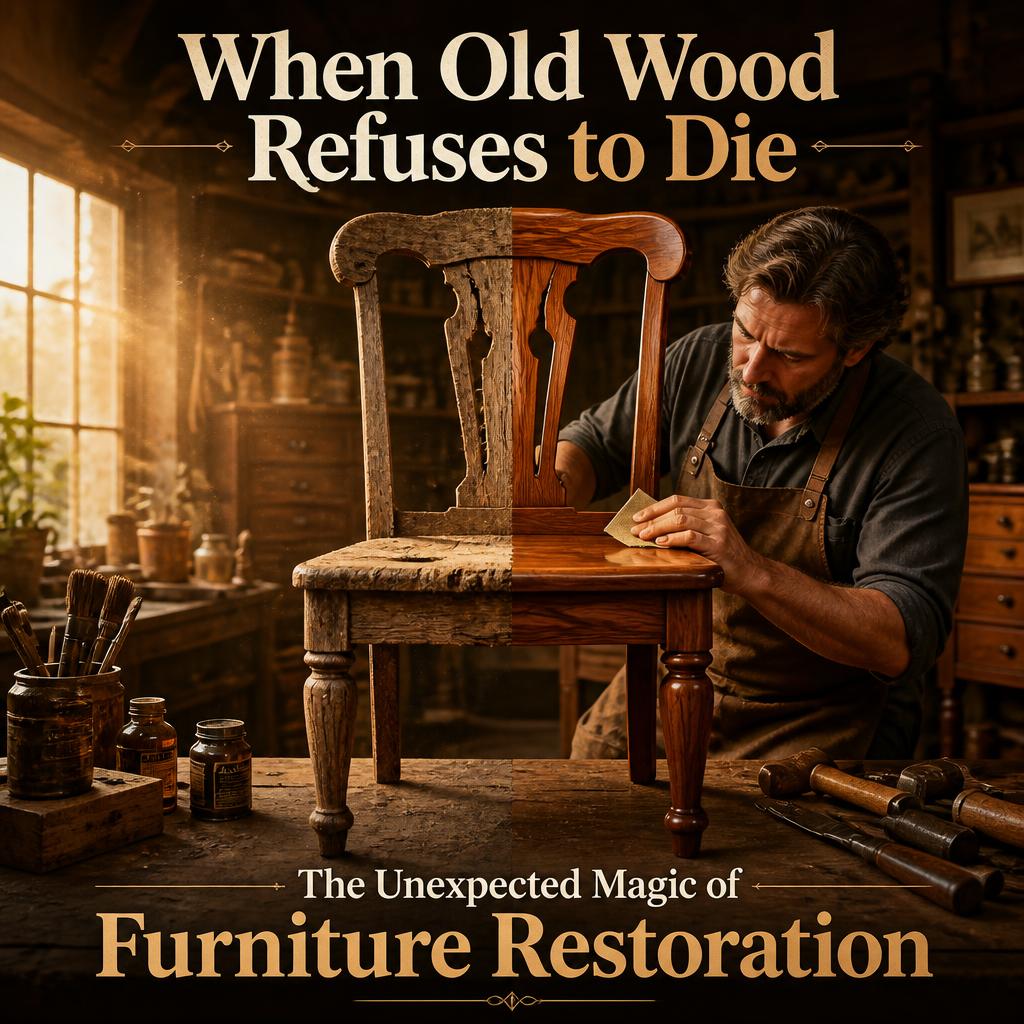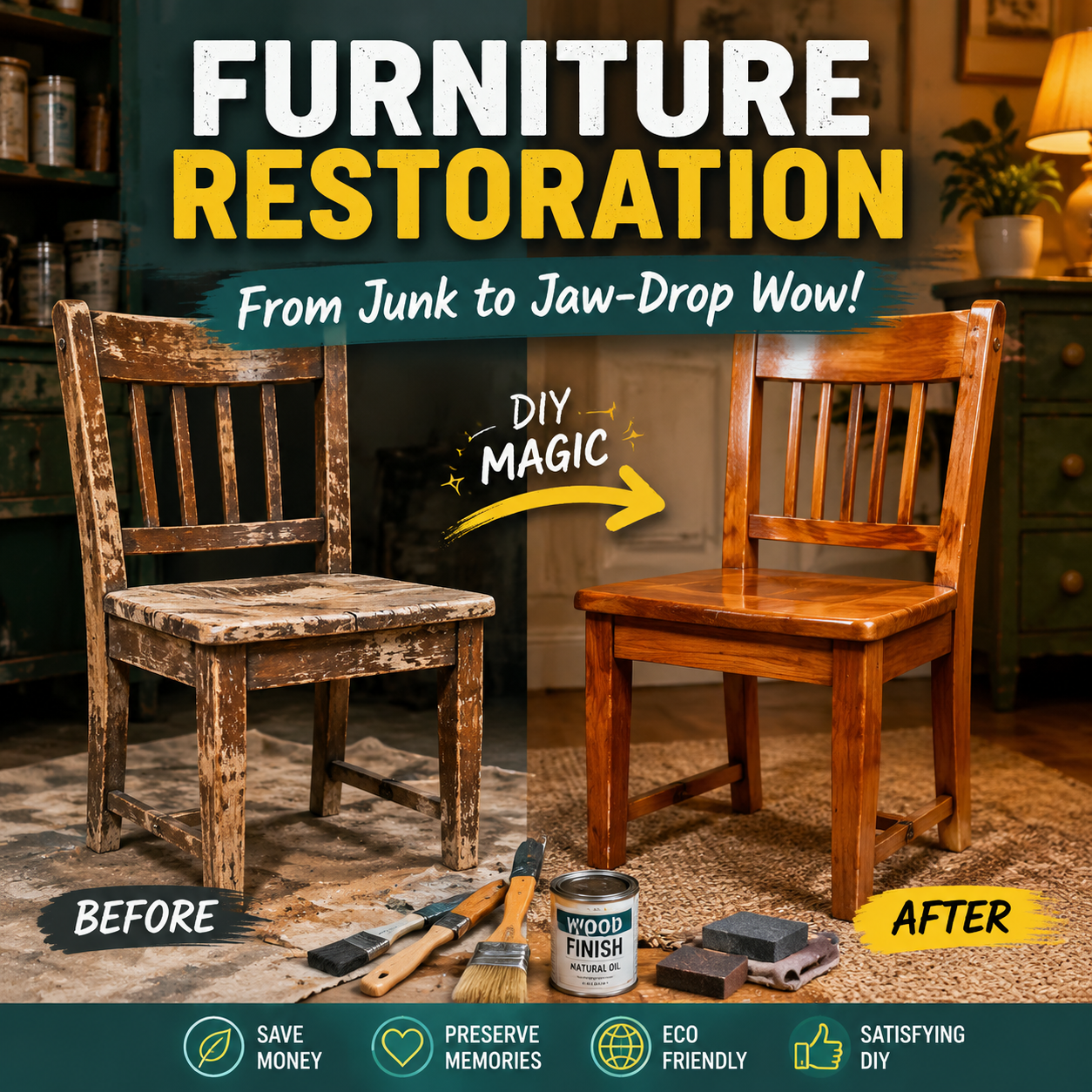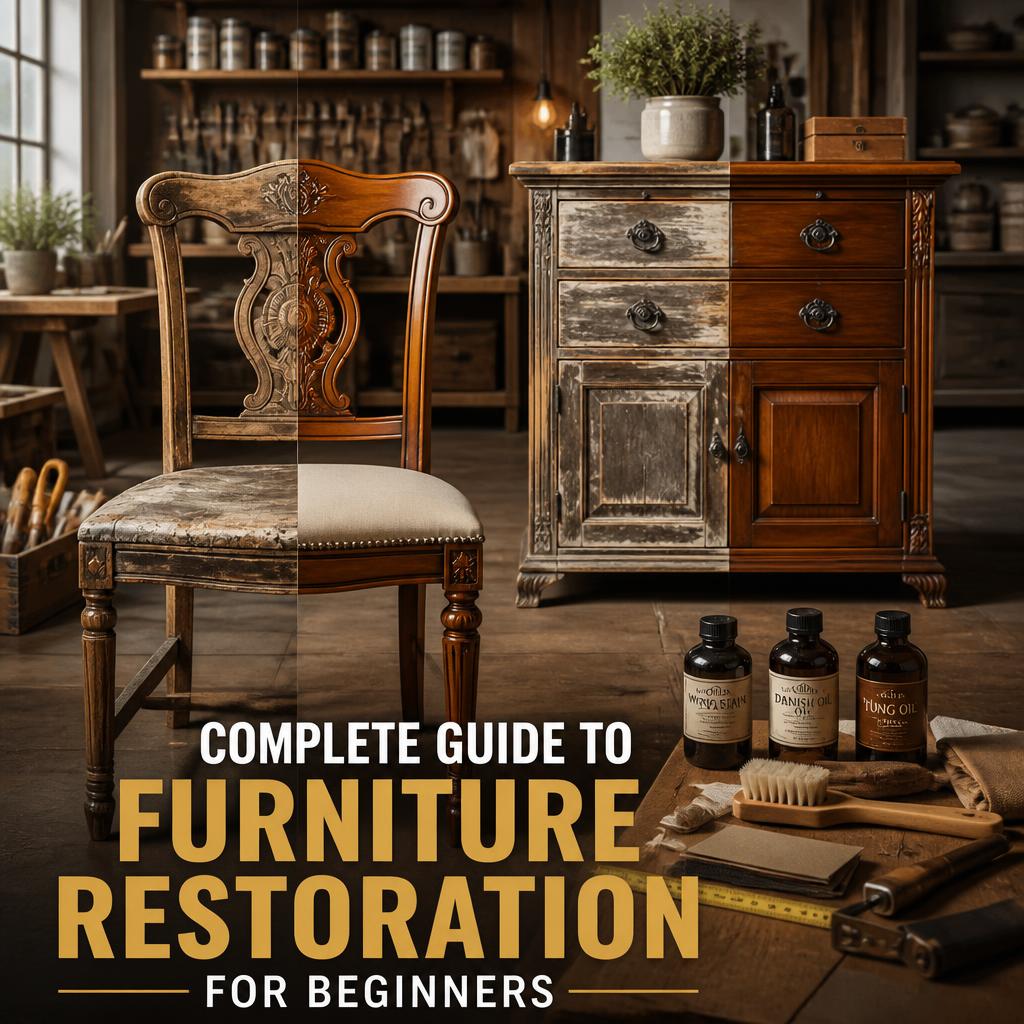
shultzrefinishing.com – Complete Guide to Furniture Restoration for Beginners is the perfect starting point for anyone who wants to bring old, damaged, or forgotten furniture back to life. Many people think restoring furniture requires expensive tools or professional skills, but the truth is that anyone can learn this craft with patience, creativity, and the right techniques. From an antique wooden chair sitting in your storage room to a vintage table found at a local market, furniture restoration offers a fun way to create beautiful pieces while saving money.
Furniture restoration is not just about repairing scratches or applying a fresh coat of paint. It is about understanding the history, materials, and structure behind each piece. Whether you want to restore furniture as a hobby, improve your home interior, or start a small creative project, learning the basics will help you achieve better results.
What Is Furniture Restoration and Why Is It Worth Learning?
Furniture restoration is the process of repairing, cleaning, improving, and preserving old furniture so it can return to its original beauty and function. Unlike simply replacing old furniture with new products, restoration focuses on maintaining character and quality.
Many older furniture pieces were made with solid wood and detailed craftsmanship that are difficult to find in modern mass-produced items. Restoring them allows you to keep unique designs while reducing waste.
The Growing Popularity of Restoring Old Furniture
In recent years, furniture restoration has become a popular trend among homeowners, designers, and creative enthusiasts. The rise of sustainable living and eco-friendly design has encouraged more people to reuse existing furniture instead of buying new items.
Restoration also creates a personal connection. A restored cabinet or chair often carries a story, making it more meaningful than a factory-made product.
Understanding Different Types of Furniture Before Restoration
Before starting any project, beginners should understand what type of furniture they are working with. Different materials require different restoration methods.
Wood Furniture Restoration Basics
Wood furniture is one of the most common restoration projects. Pieces made from oak, teak, mahogany, or walnut often have strong structures but may suffer from scratches, faded finishes, or surface damage.
Common restoration steps include:
- Cleaning dirt and old residue
- Removing damaged finishes
- Repairing cracks or loose joints
- Sanding rough surfaces
- Applying protective finishes
Using the correct approach prevents unnecessary damage and keeps the natural beauty of the wood.
Restoring Upholstered Furniture for Beginners
Chairs, sofas, and benches with fabric coverings require different techniques. Upholstery restoration usually involves replacing old fabric, repairing padding, and checking the internal frame.
Beginners should start with smaller projects like dining chairs before moving to larger furniture pieces.
Essential Tools Every Beginner Needs for Furniture Restoration
Having the right tools makes restoration easier and safer. Beginners do not need a professional workshop, but several basic items can improve the process.
Basic Restoration Equipment Checklist
Some important tools include:
- Sandpaper with different textures
- Screwdrivers and small repair tools
- Wood filler
- Paint brushes
- Protective gloves
- Cleaning cloths
- Measuring tape
- Safety goggles
A simple workspace with good lighting and ventilation is also important, especially when using paints, stains, or cleaning products.
How to Inspect Old Furniture Before Starting a Project
A common mistake among beginners is immediately sanding or painting furniture without checking its condition first. Proper inspection helps determine what repairs are actually needed.
Checking Structure, Damage, and Material Quality
Look carefully at:
- Loose connections
- Wood cracks
- Water damage
- Insect damage
- Rusted hardware
- Previous repairs
A beautiful surface means little if the furniture structure is weak. Always fix stability issues before focusing on appearance.
Step-by-Step Furniture Restoration Process for Beginners
A successful restoration project follows a clear process. Taking shortcuts may create more problems later.
Step 1: Cleaning and Preparing the Furniture
The first step is removing dust, grease, and old dirt. Use gentle cleaning methods because aggressive chemicals can damage original finishes.
After cleaning, allow the furniture to dry completely before continuing.
Step 2: Repairing Damaged Areas
Small problems such as scratches, holes, or loose joints can often be repaired at home. Wood filler works well for minor surface damage, while stronger repairs may require professional techniques.
Always focus on maintaining the original structure instead of completely changing the character of the piece.
Step 3: Sanding and Removing Old Finishes
Sanding helps create a smooth surface and prepares furniture for new finishes. Beginners should start with medium-grit sandpaper before moving to finer textures.
Avoid excessive sanding because it can remove important details, especially on antique furniture.
Step 4: Applying Paint, Stain, or Protective Coating
The finishing stage gives restored furniture its final appearance. You can choose between natural wood stains, colorful paint, or clear protective coatings.
A matte finish creates a modern appearance, while a glossy finish provides a classic polished look.
Common Mistakes Beginners Should Avoid During Restoration
Furniture restoration requires patience. Many beginners make mistakes because they focus too much on quick results.
Ignoring the Original Character of Furniture
One of the biggest mistakes is completely covering unique details with thick paint layers. Vintage furniture often has special features that should remain visible.
Using Incorrect Restoration Products
Not every cleaning product works for every material. Strong chemicals may permanently damage wood, fabric, or decorative elements.
Always research the material before applying anything.
Creative Ideas to Transform Old Furniture Into Modern Pieces
Restoration does not always mean returning furniture exactly to its original condition. Many people combine traditional designs with modern creativity.
Modern Furniture Makeover Inspiration
Some popular ideas include:
- Combining natural wood with modern colors
- Adding new handles or hardware
- Creating minimalist designs
- Mixing vintage and contemporary styles
This approach is often called upcycling, where old products gain a new purpose and improved appearance.
How Long Does Furniture Restoration Usually Take?
The time required depends on the furniture condition, size, and restoration method. A small chair may take a weekend, while a large cabinet could require several weeks.
Factors That Affect Restoration Time
Several things influence the timeline:
- Amount of damage
- Drying time for finishes
- Required repairs
- Level of detail
- Experience level
Beginners should avoid rushing because quality restoration depends heavily on careful work.
Building Skills and Improving Your Furniture Restoration Technique
Like any creative activity, restoration skills improve through practice. Starting with simple projects allows beginners to learn techniques without feeling overwhelmed.
Learning From Restoration Communities
Many restoration enthusiasts share ideas through online communities, workshops, and creative platforms. Watching experienced restorers can provide valuable knowledge about tools, materials, and problem-solving methods.
Over time, beginners can develop their own style and approach.
The Environmental Benefits of Furniture Restoration
Furniture restoration is not only a creative hobby but also an environmentally responsible choice. Reusing old furniture reduces waste and decreases demand for new materials.
Supporting Sustainable Interior Design
The restoration movement connects with sustainable interior design, which focuses on creating beautiful spaces while considering environmental impact.
A restored furniture piece can become a unique centerpiece that adds personality to any room.
Final Thoughts on Complete Guide to Furniture Restoration for Beginners
Learning furniture restoration opens the door to creativity, sustainability, and practical skills that anyone can develop. Through the Complete Guide to Furniture Restoration for Beginners, you can understand how old furniture transforms into valuable pieces with proper cleaning, repairs, finishing techniques, and creative ideas. Whether you restore a family heirloom or discover a forgotten piece from a second-hand store, every project provides a chance to create something special with your own hands.