Tag: interior design ideas

  • Complete Guide to Furniture Restoration for Beginners

    Complete Guide to Furniture Restoration for Beginners

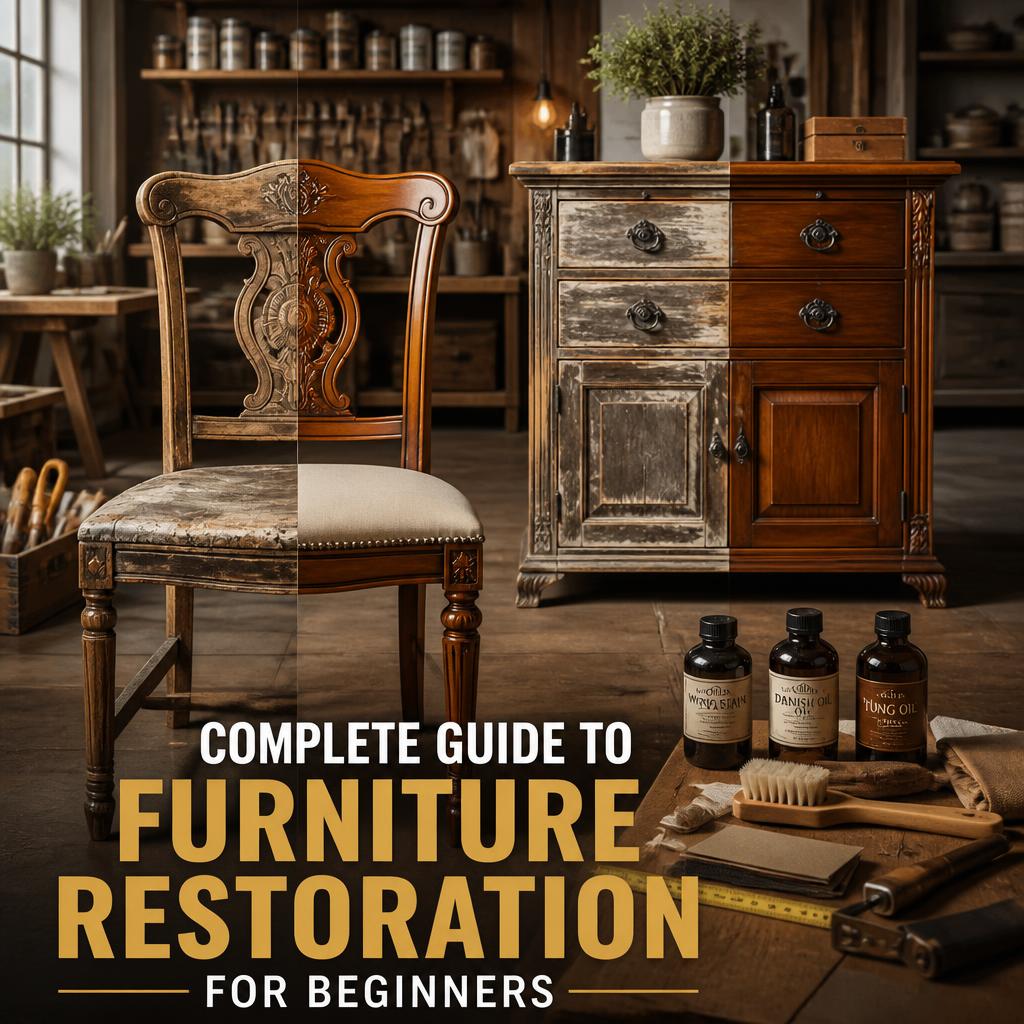
    shultzrefinishing.com – Complete Guide to Furniture Restoration for Beginners is the perfect starting point for anyone who wants to bring old, damaged, or forgotten furniture back to life. Many people think restoring furniture requires expensive tools or professional skills, but the truth is that anyone can learn this craft with patience, creativity, and the right techniques. From an antique wooden chair sitting in your storage room to a vintage table found at a local market, furniture restoration offers a fun way to create beautiful pieces while saving money.

    Furniture restoration is not just about repairing scratches or applying a fresh coat of paint. It is about understanding the history, materials, and structure behind each piece. Whether you want to restore furniture as a hobby, improve your home interior, or start a small creative project, learning the basics will help you achieve better results.

    What Is Furniture Restoration and Why Is It Worth Learning?

    Furniture restoration is the process of repairing, cleaning, improving, and preserving old furniture so it can return to its original beauty and function. Unlike simply replacing old furniture with new products, restoration focuses on maintaining character and quality.

    Many older furniture pieces were made with solid wood and detailed craftsmanship that are difficult to find in modern mass-produced items. Restoring them allows you to keep unique designs while reducing waste.

    The Growing Popularity of Restoring Old Furniture

    In recent years, furniture restoration has become a popular trend among homeowners, designers, and creative enthusiasts. The rise of sustainable living and eco-friendly design has encouraged more people to reuse existing furniture instead of buying new items.

    Restoration also creates a personal connection. A restored cabinet or chair often carries a story, making it more meaningful than a factory-made product.

    Understanding Different Types of Furniture Before Restoration

    Before starting any project, beginners should understand what type of furniture they are working with. Different materials require different restoration methods.

    Wood Furniture Restoration Basics

    Wood furniture is one of the most common restoration projects. Pieces made from oak, teak, mahogany, or walnut often have strong structures but may suffer from scratches, faded finishes, or surface damage.

    Common restoration steps include:

    • Cleaning dirt and old residue
    • Removing damaged finishes
    • Repairing cracks or loose joints
    • Sanding rough surfaces
    • Applying protective finishes

    Using the correct approach prevents unnecessary damage and keeps the natural beauty of the wood.

    Restoring Upholstered Furniture for Beginners

    Chairs, sofas, and benches with fabric coverings require different techniques. Upholstery restoration usually involves replacing old fabric, repairing padding, and checking the internal frame.

    Beginners should start with smaller projects like dining chairs before moving to larger furniture pieces.

    Essential Tools Every Beginner Needs for Furniture Restoration

    Having the right tools makes restoration easier and safer. Beginners do not need a professional workshop, but several basic items can improve the process.

    Basic Restoration Equipment Checklist

    Some important tools include:

    • Sandpaper with different textures
    • Screwdrivers and small repair tools
    • Wood filler
    • Paint brushes
    • Protective gloves
    • Cleaning cloths
    • Measuring tape
    • Safety goggles

    A simple workspace with good lighting and ventilation is also important, especially when using paints, stains, or cleaning products.

    How to Inspect Old Furniture Before Starting a Project

    A common mistake among beginners is immediately sanding or painting furniture without checking its condition first. Proper inspection helps determine what repairs are actually needed.

    Checking Structure, Damage, and Material Quality

    Look carefully at:

    • Loose connections
    • Wood cracks
    • Water damage
    • Insect damage
    • Rusted hardware
    • Previous repairs

    A beautiful surface means little if the furniture structure is weak. Always fix stability issues before focusing on appearance.

    Step-by-Step Furniture Restoration Process for Beginners

    A successful restoration project follows a clear process. Taking shortcuts may create more problems later.

    Step 1: Cleaning and Preparing the Furniture

    The first step is removing dust, grease, and old dirt. Use gentle cleaning methods because aggressive chemicals can damage original finishes.

    After cleaning, allow the furniture to dry completely before continuing.

    Step 2: Repairing Damaged Areas

    Small problems such as scratches, holes, or loose joints can often be repaired at home. Wood filler works well for minor surface damage, while stronger repairs may require professional techniques.

    Always focus on maintaining the original structure instead of completely changing the character of the piece.

    Step 3: Sanding and Removing Old Finishes

    Sanding helps create a smooth surface and prepares furniture for new finishes. Beginners should start with medium-grit sandpaper before moving to finer textures.

    Avoid excessive sanding because it can remove important details, especially on antique furniture.

    Step 4: Applying Paint, Stain, or Protective Coating

    The finishing stage gives restored furniture its final appearance. You can choose between natural wood stains, colorful paint, or clear protective coatings.

    A matte finish creates a modern appearance, while a glossy finish provides a classic polished look.

    Common Mistakes Beginners Should Avoid During Restoration

    Furniture restoration requires patience. Many beginners make mistakes because they focus too much on quick results.

    Ignoring the Original Character of Furniture

    One of the biggest mistakes is completely covering unique details with thick paint layers. Vintage furniture often has special features that should remain visible.

    Using Incorrect Restoration Products

    Not every cleaning product works for every material. Strong chemicals may permanently damage wood, fabric, or decorative elements.

    Always research the material before applying anything.

    Creative Ideas to Transform Old Furniture Into Modern Pieces

    Restoration does not always mean returning furniture exactly to its original condition. Many people combine traditional designs with modern creativity.

    Modern Furniture Makeover Inspiration

    Some popular ideas include:

    • Combining natural wood with modern colors
    • Adding new handles or hardware
    • Creating minimalist designs
    • Mixing vintage and contemporary styles

    This approach is often called upcycling, where old products gain a new purpose and improved appearance.

    How Long Does Furniture Restoration Usually Take?

    The time required depends on the furniture condition, size, and restoration method. A small chair may take a weekend, while a large cabinet could require several weeks.

    Factors That Affect Restoration Time

    Several things influence the timeline:

    • Amount of damage
    • Drying time for finishes
    • Required repairs
    • Level of detail
    • Experience level

    Beginners should avoid rushing because quality restoration depends heavily on careful work.

    Building Skills and Improving Your Furniture Restoration Technique

    Like any creative activity, restoration skills improve through practice. Starting with simple projects allows beginners to learn techniques without feeling overwhelmed.

    Learning From Restoration Communities

    Many restoration enthusiasts share ideas through online communities, workshops, and creative platforms. Watching experienced restorers can provide valuable knowledge about tools, materials, and problem-solving methods.

    Over time, beginners can develop their own style and approach.

    The Environmental Benefits of Furniture Restoration

    Furniture restoration is not only a creative hobby but also an environmentally responsible choice. Reusing old furniture reduces waste and decreases demand for new materials.

    Supporting Sustainable Interior Design

    The restoration movement connects with sustainable interior design, which focuses on creating beautiful spaces while considering environmental impact.

    A restored furniture piece can become a unique centerpiece that adds personality to any room.

    Final Thoughts on Complete Guide to Furniture Restoration for Beginners

    Learning furniture restoration opens the door to creativity, sustainability, and practical skills that anyone can develop. Through the Complete Guide to Furniture Restoration for Beginners, you can understand how old furniture transforms into valuable pieces with proper cleaning, repairs, finishing techniques, and creative ideas. Whether you restore a family heirloom or discover a forgotten piece from a second-hand store, every project provides a chance to create something special with your own hands.

  • Before & After Projects: How Transformations Showcase Creativity, Progress, and Real Results

    Before & After Projects: How Transformations Showcase Creativity, Progress, and Real Results

    Before & After Projects are powerful visual stories that reveal how ideas, skills, and dedication can completely transform an object, space, design, or experience. From home renovations and creative artwork to branding improvements and digital transformations, these projects help people understand the journey behind a successful change. – shultzrefinishing.com

    Understanding What Before & After Projects Really Mean

    Before & After Projects are collections of comparisons that show the condition of something before improvements are made and the final result after the work is completed. These projects are commonly used in industries such as interior design, construction, photography, marketing, creative services, and personal development.

    The main purpose is simple: people want to see evidence of progress. A finished result can look impressive, but showing the original condition creates a stronger emotional connection because viewers can understand the amount of effort, creativity, and problem-solving involved.

    Whether it is a small room makeover or a complete business rebrand, a clear transformation tells a story that words alone often cannot explain.

    Why Before & After Projects Are Popular Among Audiences

    One major reason Before & After Projects attract attention is because humans naturally enjoy seeing change. A transformation creates curiosity and satisfaction because viewers can compare two different stages and recognize the improvement.

    These projects are especially effective because they answer important questions:

    • What was changed?
    • Who created the transformation?
    • How was the improvement achieved?
    • Why was the project necessary?

    Instead of only presenting a final product, a before-and-after format provides context and builds trust.

    The Emotional Impact Behind Visual Transformations

    A successful transformation is not only about appearance. It often represents improvement, creativity, and problem-solving.

    For example, a damaged room becoming a comfortable living area shows more than a design upgrade. It represents planning, investment, and the ability to turn an old environment into something valuable again.

    This emotional connection is why transformation-based content performs well on websites, social media platforms, and portfolios.

    Different Types of Before & After Projects Across Industries

    Before & After Projects appear in many creative and professional fields. Each category has its own unique approach and purpose.

    Interior Design and Home Improvement Transformations

    One of the most common examples comes from home renovation projects. Designers often document rooms before renovation and compare them with the completed space.

    These projects may include:

    • Old kitchens becoming modern cooking areas
    • Empty rooms transformed into functional spaces
    • Outdated furniture replaced with stylish designs
    • Small spaces optimized with creative layouts

    How Designers Create Visible Improvements

    Professional designers usually focus on several elements, including:

    • Color selection
    • Lighting improvements
    • Space management
    • Furniture arrangement
    • Material choices

    The goal is not only to make a place look better but also to improve comfort and usability.

    Creative Design and Artistic Before & After Transformations

    Artists and creators frequently use before-and-after comparisons to demonstrate their creative process. These projects allow audiences to see how simple concepts develop into detailed final works.

    A sketch can become a finished illustration. A blank wall can become a large mural. A basic concept can evolve into a complete visual identity.

    These examples highlight the importance of creativity, patience, and technical ability.

    The Role of Process Documentation

    Many creators now share their working process through videos, images, and online portfolios. Showing different stages helps audiences understand that great results usually come from continuous improvement rather than instant success.

    This approach also allows creators to build stronger relationships with their audience by showing authenticity and transparency.

    Before & After Projects in Branding and Digital Marketing

    Businesses also use transformation projects to show growth and improvement. A company may compare an old logo, website design, or marketing strategy with a refreshed version.

    Brand transformations often involve:

    • Updated visual identity
    • Better user experience
    • Improved communication style
    • More consistent branding elements

    A strong before-and-after presentation helps customers understand how a business has evolved over time.

    Why Companies Use Transformation Examples

    For businesses, these projects act as proof of capability. Potential customers often want to see real examples before choosing a service provider.

    A graphic designer, marketing agency, or creative professional can demonstrate their expertise by showing measurable improvements from previous projects.

    How to Create an Effective Before & After Project Presentation

    Creating a strong transformation showcase requires more than placing two images side by side. The presentation should clearly explain the journey.

    Step One: Capture the Original Condition Clearly

    The “before” stage should provide accurate information about the starting point. Good documentation includes:

    • High-quality photos
    • Different angles
    • Project background details
    • Existing challenges

    A clear starting point makes the final result more impressive.

    Step Two: Explain the Transformation Process

    Audiences appreciate understanding how changes happen. Instead of only showing the final outcome, explain important decisions and techniques used during the project.

    For example, a renovation project can describe why certain materials were selected or how the layout was improved.

    Step Three: Highlight the Final Results

    The “after” stage should showcase the strongest improvements. Use clear visuals and descriptions that explain the value created through the transformation.

    A successful presentation focuses on the difference between the original condition and the completed result.

    Where People Commonly Find Before & After Projects

    Today, transformation projects can be discovered across many platforms. Websites, social media channels, online portfolios, and creative communities regularly feature these examples.

    Popular places include:

    • Design portfolio websites
    • Photography platforms
    • Business websites
    • Social media communities
    • Professional service pages

    These platforms allow creators and companies to reach audiences interested in visual inspiration.

    When Before & After Projects Become Most Valuable

    Before & After Projects are especially useful when people need confidence before making decisions.

    For example:

    • A homeowner wants proof before hiring a contractor.
    • A business wants evidence before investing in branding services.
    • A customer wants to understand the quality of a creative service.

    Seeing real transformations reduces uncertainty because people can evaluate previous results.

    The Importance of Authenticity in Transformation Showcases

    Modern audiences are becoming more aware of unrealistic presentations. Because of this, authentic Before & After Projects are more valuable than heavily edited examples.

    Trust increases when creators provide:

    • Real timelines
    • Honest explanations
    • Clear challenges
    • Realistic expectations

    A genuine transformation story feels more relatable and helps audiences connect with the creator behind the work.

    Avoiding Common Mistakes in Before & After Presentations

    Some projects fail to create impact because they lack important details. Common mistakes include:

    • Poor image quality
    • Different camera angles between photos
    • No explanation of the process
    • Over-editing the final result

    A professional comparison should make the improvement easy to understand.

    Future Trends of Before & After Projects

    As digital platforms continue to grow, transformation content will become even more popular. New technologies such as artificial intelligence, 3D visualization, and interactive media are changing how people experience project progress.

    Future examples may include:

    • Virtual renovation previews
    • Interactive design comparisons
    • Real-time creative progress tracking
    • AI-assisted transformation concepts

    These developments will make Before & After Projects more engaging and informative.

    Why Before & After Projects Continue to Inspire People

    Before & After Projects remain one of the most effective ways to communicate progress, creativity, and achievement. By showing the complete journey from the original condition to the finished result, these projects help audiences understand the value behind every improvement. Whether used in design, business, art, or personal development, Before & After Projects create meaningful stories that inspire people to imagine what transformation is possible.

  • Furniture Restoration Gone Wild: From Junk to Jaw-Drop Wow DIY

    Furniture Restoration Gone Wild: From Junk to Jaw-Drop Wow DIY

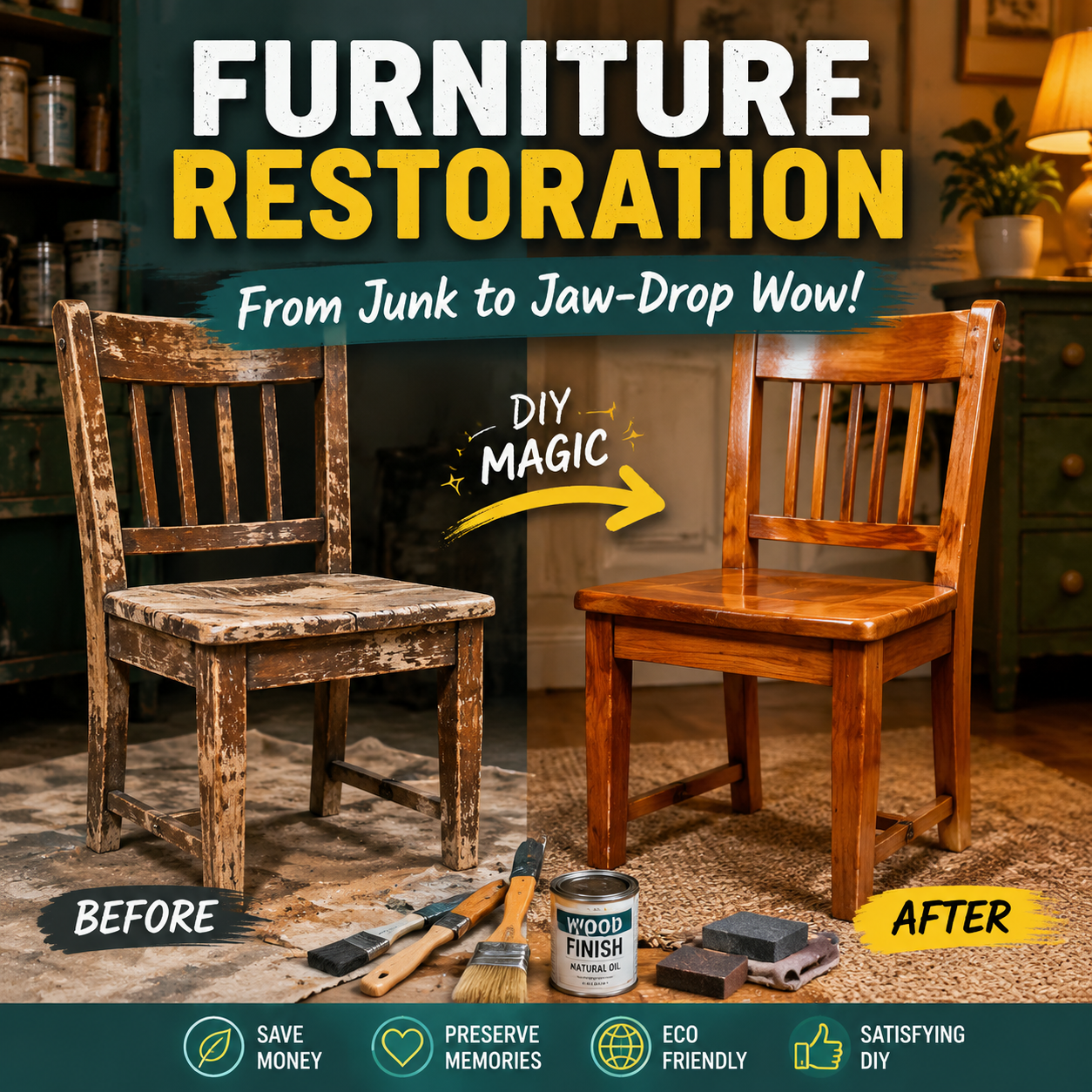
    shultzrefinishing – Furniture Restoration Gone Wild: From Junk to Jaw-Drop Wow DIY kicks off with a simple idea—turning old, tired furniture into something that actually makes people stop and stare. In this guide, everything about Furniture Restoration is broken down in a relaxed, easy-to-follow way so anyone can understand it, even if you’ve never held a paintbrush or sandpaper before. It blends creativity, science, and a bit of patience into one satisfying process that brings forgotten pieces back to life.


    What Is Furniture Restoration?

    Furniture restoration is the process of repairing, refinishing, and improving old furniture so it can be used again. It’s not just about making things look pretty—it’s about preserving structure, history, and function.

    In technical terms, restorers often deal with material conservation, surface chemistry, and wood grain behavior, especially when working with antique items. The goal is balance: keep originality while improving durability.


    Who Actually Needs Furniture Restoration?

    Honestly, almost everyone benefits from it.

    • Homeowners trying to save money
    • Interior designers working with vintage aesthetics
    • Collectors preserving antique value
    • Cafés and hotels wanting unique décor

    Even small apartment renters in busy cities like Tokyo or New York often use restoration to personalize space without buying expensive new furniture.


    Where Furniture Restoration Is Most Popular

    This practice is globally spread, but some hotspots include:

    • Europe (especially Italy and France for antiques)
    • Japan (minimalist restoration style)
    • United States (DIY culture boom)
    • Southeast Asia (upcycling movement growing fast)

    In urban areas, restoration studios often double as creative workshops where people learn hands-on skills.


    When Should You Restore Furniture?

    Timing matters more than people think. You should consider restoration when:

    • The structure is still solid but the surface is damaged
    • Paint or polish is fading
    • Wood has scratches, stains, or water damage
    • The piece holds sentimental value

    If a chair or table starts squeaking like it’s telling stories, that’s usually a good sign it needs attention.


    Why Furniture Restoration Is Worth It

    There are three main reasons:

    Economic Value

    Restoring is often cheaper than buying new furniture.

    Emotional Value

    Family heirlooms carry memories that can’t be replaced.

    Environmental Value

    It reduces waste and supports sustainability by reusing materials instead of dumping them.

    This combination makes restoration both practical and meaningful.


    Essential Tools and Materials

    Before starting any project, you’ll need a basic toolkit:

    Core Tools

    • Sandpaper (various grit levels)
    • Screwdrivers and clamps
    • Wood glue (polyvinyl acetate adhesive)
    • Paintbrushes and rollers

    Finishing Materials

    • Wood stain
    • Natural oil finishes like tung oil or linseed oil
    • Protective varnish

    Safety Gear

    • Gloves
    • Dust mask
    • Eye protection

    Step-by-Step Furniture Restoration Process

    Restoring furniture isn’t random—it follows a structured flow.

    Step 1: Inspection

    Check cracks, loose joints, and surface damage.

    Step 2: Cleaning

    Remove dirt, grease, and old wax using mild soap or specialized cleaners.

    Step 3: Sanding and Surface Prep

    This is where transformation begins. Sanding removes old finishes and exposes fresh wood.

    At this stage, you’ll often hear professionals talk about Furniture Restoration as a blend of craftsmanship and material science because each surface reacts differently depending on humidity, wood type, and age.

    Step 4: Repair Work

    Fix broken joints, replace missing parts, or reinforce weak areas using adhesive and clamps.

    Step 5: Refinishing

    Apply stain or paint evenly to restore visual appeal.

    Step 6: Sealing and Protection

    Finish with varnish or wax to protect against moisture and scratches.


    Common Mistakes Beginners Make

    Even simple projects can go wrong if you’re not careful:

    • Over-sanding and damaging wood texture
    • Using the wrong adhesive for joints
    • Skipping cleaning before painting
    • Applying thick layers of paint too quickly

    Patience is the real secret ingredient here.


    Modern Techniques in Furniture Restoration

    Today’s restoration blends tradition with technology:

    • Laser cleaning technology for delicate surfaces
    • Microscopic wood analysis for damage detection
    • Eco-friendly water-based coatings
    • Digital color matching systems

    These methods help restorers maintain precision while reducing human error.


    Cost and Value Breakdown

    Restoration costs depend on:

    • Material type (oak, pine, teak)
    • Damage level
    • Labor time
    • Finishing quality

    However, restored furniture can increase in value, especially antique pieces. Some even appreciate like art over time.


    DIY Tips and Pro Hacks

    Here are some practical insights:

    • Always test paint on a hidden area first
    • Use vinegar solution for mild cleaning before chemicals
    • Keep humidity stable during drying
    • Rotate furniture while working for even finishing

    Small habits make a big difference in results.


    Sustainability Impact of Furniture Restoration

    Restoration plays a huge role in reducing landfill waste. Instead of discarding furniture, reusing materials lowers carbon footprint and supports circular economy models.

    It also encourages mindful consumption—buy less, restore more, and value what already exists.

    Furniture restoration isn’t just a hobby—it’s a mix of creativity, science, and emotional storytelling through objects that already exist. Every scratch has a history, and every repair adds a new chapter.

    In the end, Furniture Restoration Gone Wild: From Junk to Jaw-Drop Wow DIY shows that even the most forgotten chair or table can become something extraordinary again when treated with care, patience, and a little imagination.

  • Furniture Restoration Tricks That Make Old Tables Look Luxury

    Furniture Restoration Tricks That Make Old Tables Look Luxury

    Why Old Tables Deserve a Second Life

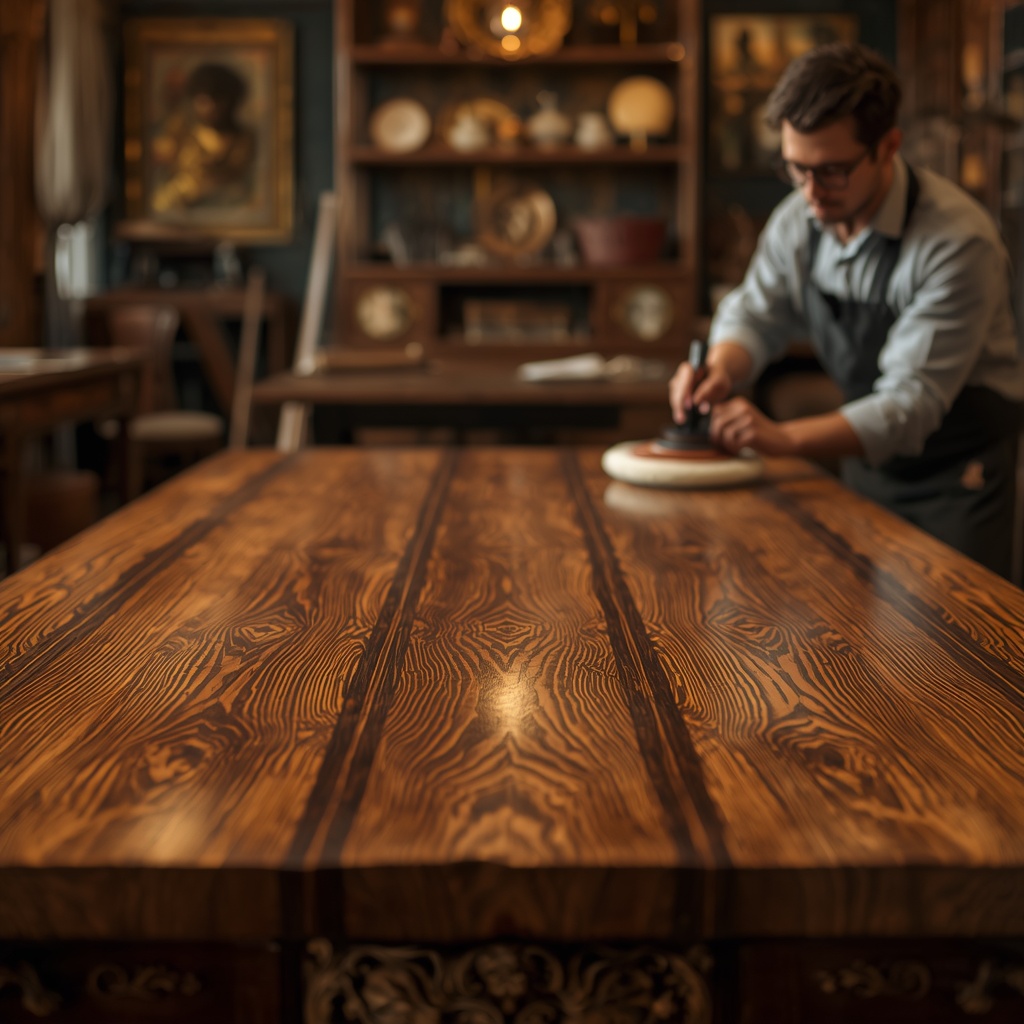
    shultzrefinishing – Old tables often carry strong materials and craftsmanship that modern mass-produced furniture lacks. Instead of discarding them, restoration allows you to turn forgotten pieces into luxury-style furniture that enhances any interior. In many homes in Paris, aged wooden tables are being revived as sustainable design statements that combine history and modern elegance.


    Assessing Wood Condition Before Restoration

    Before any work begins, you must understand what you’re dealing with.

    Structural Inspection Basics

    Check for cracks, warping, and loose joints. Solid hardwood like oak or teak responds best to restoration.

    Surface vs Deep Damage

    Surface scratches are easy fixes, but deep rot or insect damage may require replacement parts or reinforcement.


    Deep Cleaning Techniques That Reveal Hidden Beauty

    Dirt and old polish often hide the true character of wood.

    Gentle Cleaning Method

    Use warm water mixed with mild soap and a microfiber cloth. Avoid soaking the wood.

    Removing Old Wax Layers

    Mineral spirits can help dissolve old wax buildup, revealing the natural grain underneath.


    Sanding Methods for a Luxury Finish

    Sanding is where transformation begins.

    Step-by-Step Sanding Process

    Start with 120-grit sandpaper, move to 220-grit, and finish with 320-grit for a smooth surface.

    Key Detail Work

    Edges and corners should be sanded lightly to maintain original table character while improving refinement.


    Staining vs Painting for Premium Look

    Choosing the right finish defines the final aesthetic.

    Natural Wood Stain

    Staining enhances grain patterns and is ideal for a high-end organic look.

    Modern Painted Finish

    Matte black, white, or deep navy can create a contemporary luxury feel, especially for minimalist interiors.


    Hardware Upgrades That Elevate Style

    Small details create a big visual impact.

    Replacing Table Legs and Handles

    Switching to brass, gold, or matte black hardware instantly modernizes the piece.

    Designer Touches

    Slim metal legs or carved wooden replacements can completely redefine table identity.


    Protective Finishes That Add Shine and Durability

    A luxury table must also last.

    Polyurethane Coating

    This adds durability and a subtle gloss finish that protects against scratches and moisture.

    Natural Oil Finish

    Tung oil or linseed oil enhances warmth and gives a soft, elegant glow.


    Design Tricks Used by Professionals

    Interior designers use subtle techniques to make restored tables look expensive.

    Contrast Styling

    Pairing dark tabletops with light legs creates visual depth.

    Texture Layering

    Combining smooth polish with raw wood edges adds artistic contrast often seen in boutique furniture stores.


    Common Mistakes to Avoid During Restoration

    Many beginners ruin furniture by rushing.

    Over-Sanding Risk

    Too much sanding removes character and reduces value.

    Wrong Product Usage

    Harsh chemicals can damage wood fibers permanently, reducing structural strength.


    FAQ – Furniture Restoration Insights

    What type of wood is easiest to restore?

    Hardwoods like oak, walnut, and teak are the most forgiving and deliver the best luxury results.

    Can I restore furniture without professional tools?

    Yes, basic tools like sandpaper, brushes, and wood stain are enough for small to medium projects.

    How long does table restoration take?

    Depending on condition, it usually takes 1–3 days, including drying time for finishes.

    Is painting better than staining for luxury look?

    Staining is preferred for natural luxury, while painting works best for modern or artistic interiors.


    Transforming old furniture into elegant pieces is not just a design trend but a sustainable lifestyle choice. With the right techniques—cleaning, sanding, finishing, and styling—you can achieve remarkable results that rival store-bought luxury furniture. The process behind Furniture Restoration Tricks That Make Old Tables Look Luxury shows that value is often hidden beneath timeworn surfaces, waiting to be revealed through careful craftsmanship and creative vision.