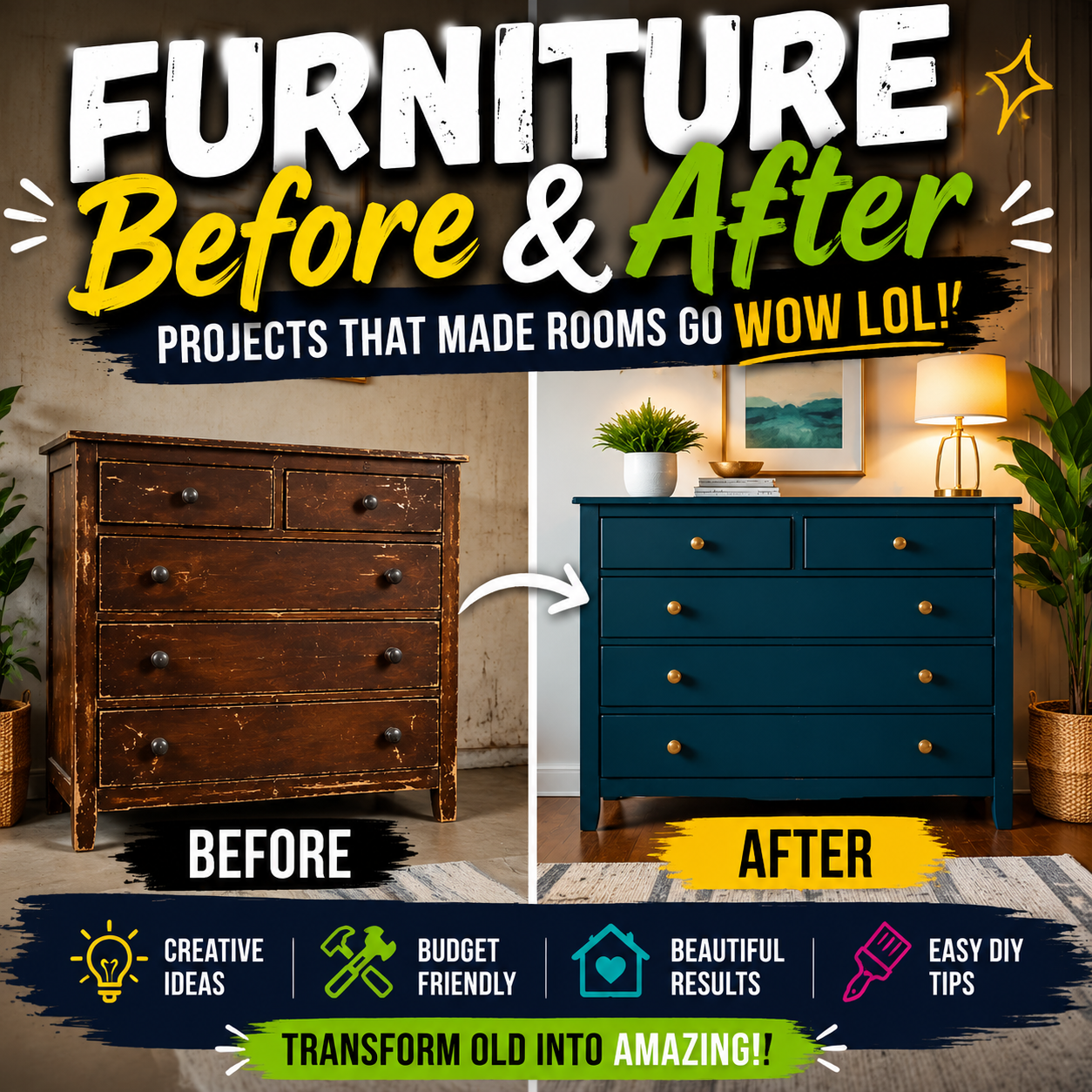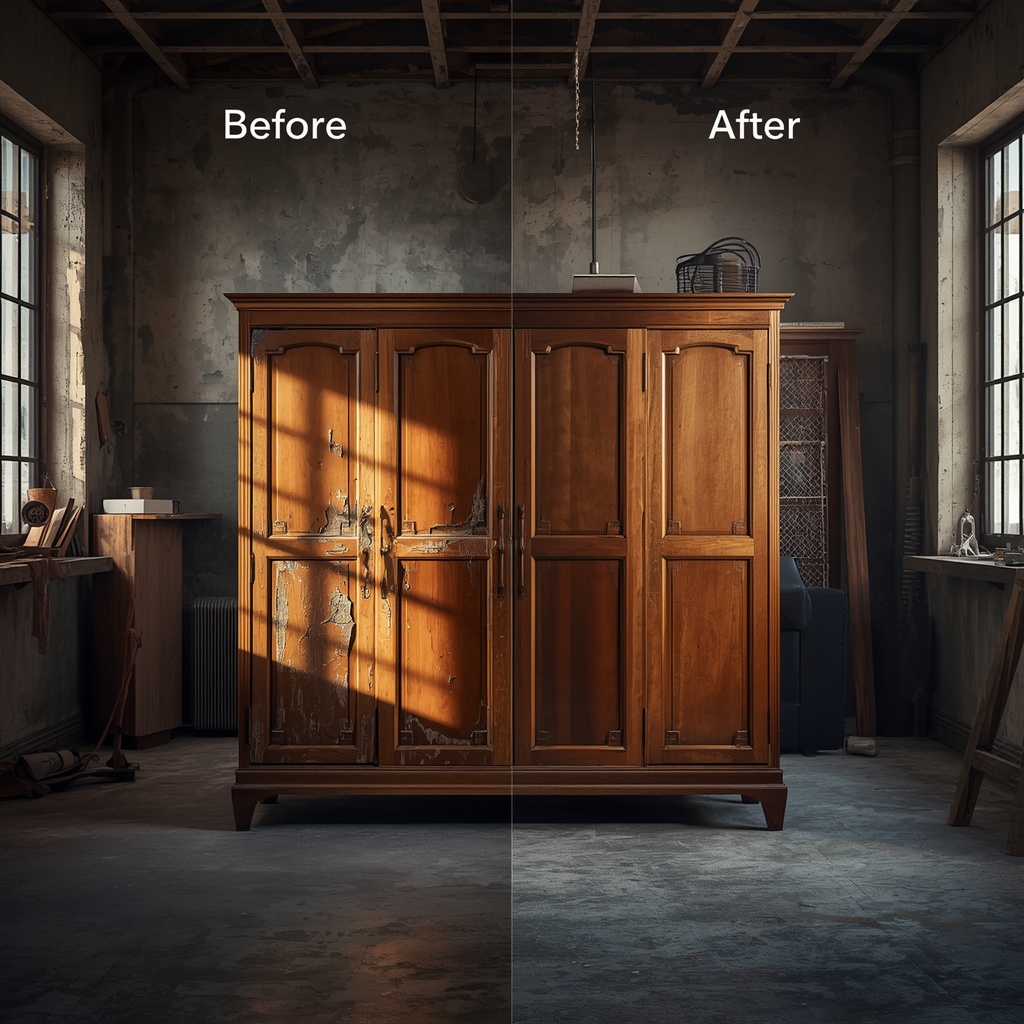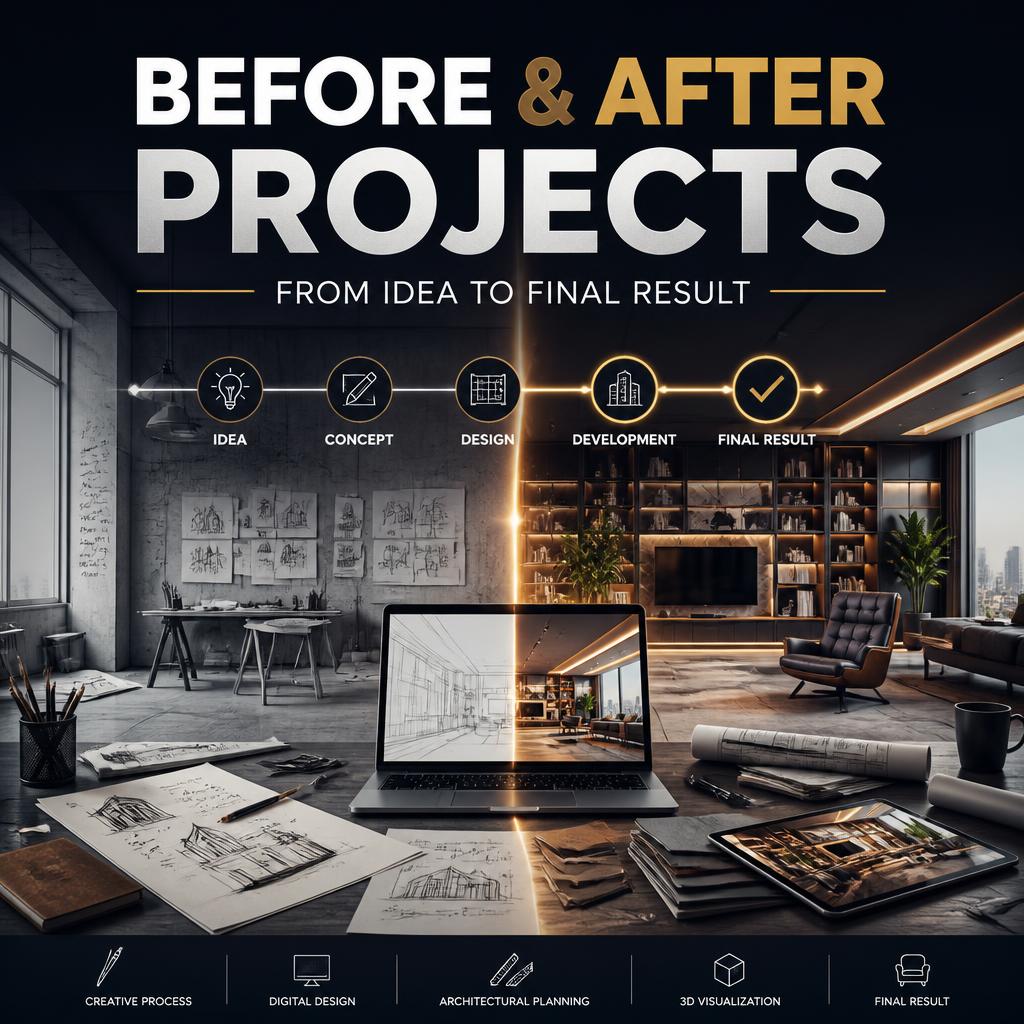
shultzrefinishing.com – Before & After Projects provide a powerful way to showcase creativity, progress, and transformation. They reveal how an initial idea develops into a polished outcome through planning, experimentation, and strategic improvements. Whether used in design, art, architecture, marketing, or personal development, these projects help audiences understand the value behind every creative decision.
Many successful creators do not focus only on the final result. Instead, they highlight the journey that connects the first concept with the completed work. This approach builds trust, demonstrates expertise, and allows viewers to appreciate the effort behind meaningful transformations.
Understanding the Purpose of Before & After Projects
Before and after projects compare two important stages of a creative process: the original condition and the improved final version. These comparisons allow people to clearly see changes that might otherwise remain unnoticed.
For example, an interior designer may show a room before renovation and compare it with the completed space. A digital artist may present an early sketch alongside the finished illustration. These examples demonstrate how creativity turns limitations into opportunities.
Furthermore, before-and-after presentations create an emotional connection because audiences can follow the complete story rather than seeing only the final product.
Why Creative Transformations Matter
Creative transformation is not simply about making something look better. It involves solving problems, improving functionality, and creating stronger experiences.
A successful transformation often includes:
- Identifying weaknesses in the original concept
- Developing new creative solutions
- Testing different approaches
- Refining details through feedback
- Creating a final result that meets specific goals
Moreover, these projects show that great outcomes usually require patience and continuous improvement rather than instant inspiration.
The Creative Process Behind Successful Transformations
Every before-and-after project begins with understanding the original situation. Professionals usually analyze existing challenges, audience needs, and possible improvement areas before making changes.
1. Research and Planning
The first stage involves collecting information and defining project goals. Designers, artists, and creators examine what works and what needs improvement.
For example, a branding project may begin with analyzing an outdated company identity. The creative team then develops a strategy to create a more modern and effective visual direction.
2. Concept Development
After research, creators explore possible solutions through sketches, prototypes, or early drafts. This stage allows experimentation before committing to the final direction.
In addition, concept development encourages innovation because creators can evaluate multiple possibilities.
3. Refinement and Execution
The transformation becomes visible during the refinement stage. Small adjustments in color, structure, materials, or functionality can significantly improve the final result.
However, professionals understand that improvement does not always mean adding more elements. Sometimes removing unnecessary details creates a cleaner and more effective outcome.
Benefits of Showcasing Before & After Projects
Before-and-after examples provide several advantages for creators and audiences.
Building Trust and Credibility
Showing the complete transformation process demonstrates transparency. Customers and audiences can see the skills, decisions, and effort involved.
This approach is especially valuable for creative professionals because potential clients often want evidence of real experience before choosing a service.
Improving Audience Understanding
A finished project alone may not explain the challenges behind it. Before-and-after comparisons provide context and make creative decisions easier to understand.
For instance, a website redesign becomes more meaningful when users can compare the original interface with the improved version.
Creating Strong Visual Storytelling
Humans naturally respond to visual changes. Transformation stories capture attention because they create curiosity about how the final result was achieved.
Common Mistakes in Before & After Presentations
Although before-and-after projects are effective, poor presentation can reduce their impact.
One common mistake is showing only surface-level changes. A meaningful transformation should explain why certain improvements were necessary.
Another mistake is ignoring the process. Audiences often value the journey as much as the final outcome.
Furthermore, creators should avoid exaggerating results. Authentic examples with realistic explanations create stronger trust.
Best Practices for Creating Impactful Transformation Projects
To create a powerful before-and-after presentation, consider these strategies:
- Explain the original challenge clearly
- Highlight important creative decisions
- Show progress stages when possible
- Use high-quality visuals
- Describe measurable improvements
- Focus on storytelling rather than only appearance
For example, an artist sharing multiple development stages can help viewers understand how experimentation shaped the final artwork.
The Future of Creative Process Transformations
Technology continues to influence how creators document and share transformations. Digital tools, artificial intelligence, and interactive platforms allow audiences to experience creative journeys in new ways.
Moreover, transparency is becoming increasingly important. People want to understand not only what was created but also how and why it was developed.
As a result, before-and-after projects will remain valuable tools for education, marketing, and creative communication.