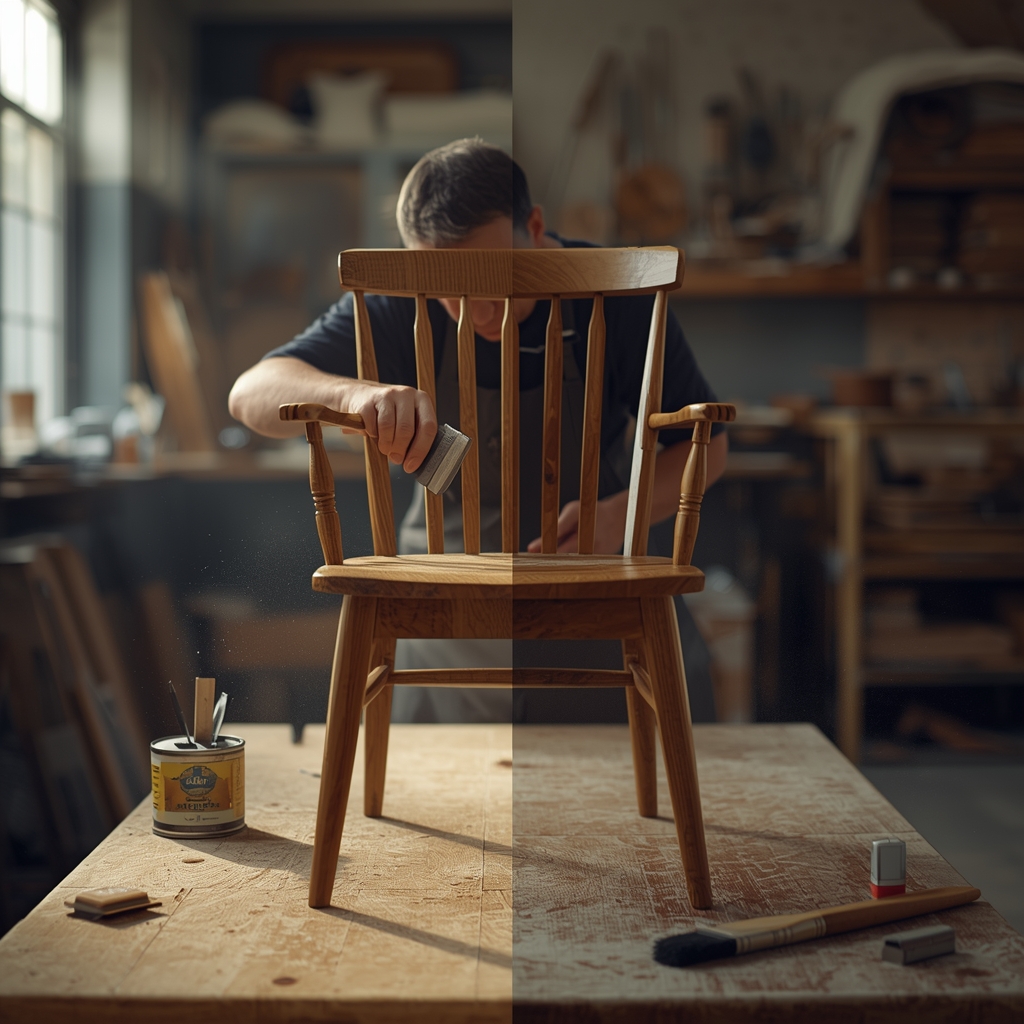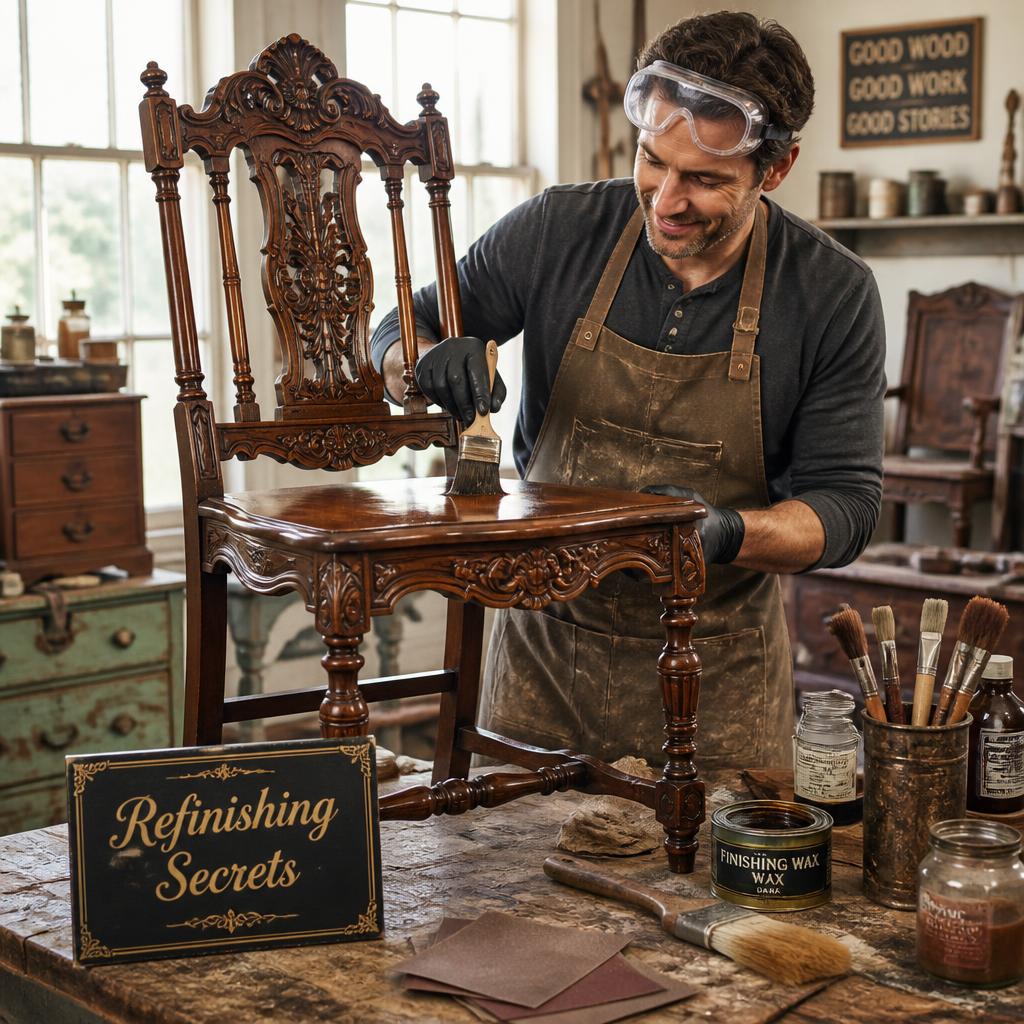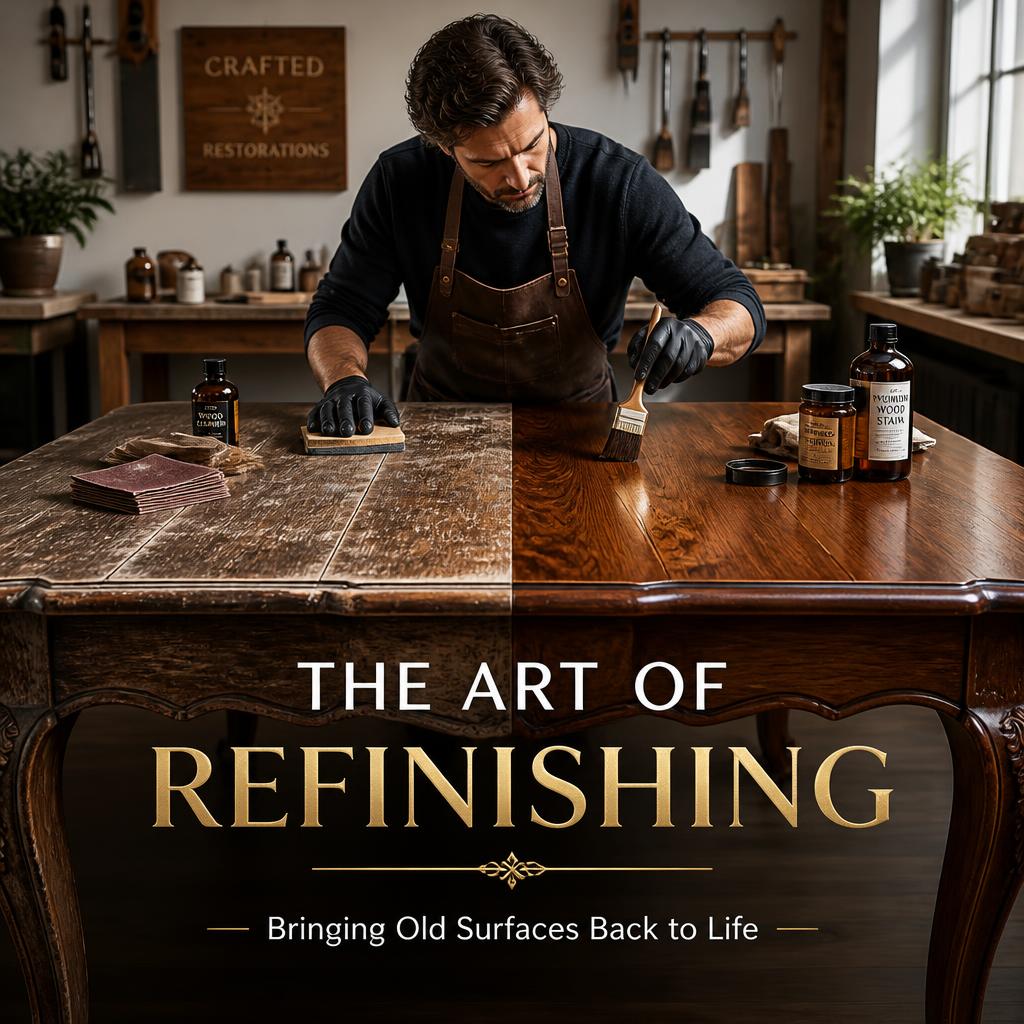
The Art of Refinishing is the skill of restoring worn, scratched, faded, or outdated surfaces so they can look beautiful and useful again. Instead of replacing a solid table, old cabinet, hardwood floor, or vintage chair, refinishing gives existing materials a fresh start. It combines careful preparation, craftsmanship, creativity, and patience to preserve character while improving appearance and durability. – shultzrefinishing.com
What Does Refinishing Really Mean?
Refinishing involves improving or removing an existing surface coating before applying a new decorative or protective finish. Depending on the project, the process may include cleaning, stripping, sanding, repairing, staining, painting, polishing, and sealing.
The goal is not necessarily to make an old item look completely new. In many cases, preserving subtle signs of age adds personality and authenticity.
Why Old Surfaces Are Worth Saving
A scratched or faded surface can hide surprisingly beautiful material underneath. An old wooden table may reveal attractive grain after sanding, while a dated cabinet might feature excellent craftsmanship beneath layers of paint.
That hidden potential is one reason refinishing feels so rewarding. A tired appearance does not always mean poor quality.
Why Refinishing Is More Than a Makeover
Refinishing improves appearance, but its benefits go much further. Protective coatings naturally wear down through sunlight, moisture, heat, spills, and daily use. Once that protection weakens, the material underneath becomes more vulnerable.
A properly restored finish can extend the useful life of furniture, flooring, doors, and other surfaces. It can also reduce unnecessary replacement costs.
A More Sustainable Approach to Design
Refinishing supports a practical form of sustainability: using good materials for longer.
Rather than discarding furniture simply because its color feels outdated, owners can transform it. A sturdy dining table, for example, may suit several generations of interior styles with thoughtful restoration.
Where Can Refinishing Be Used?
Refinishing works across many residential and commercial settings. Common projects include tables, chairs, cabinets, desks, doors, staircases, hardwood floors, shelves, and architectural woodwork.
However, every surface requires a slightly different approach. Solid wood, veneer, laminate, and metal cannot always be treated with the same products or techniques.
Furniture Refinishing and Material Identification
Before beginning any furniture project, identify what the piece is made from.
Solid wood generally allows more flexibility during sanding and repair. Veneer, by contrast, consists of a thin layer of natural wood attached to another material. Aggressive sanding can quickly damage that decorative layer.
Why Gentle Techniques Matter
Detailed furniture, carved sections, and thin surfaces require control. Hand sanding may take longer than using power equipment, but it provides greater precision around edges and delicate areas.
Sometimes, working slowly produces the fastest route to a professional-looking result.
Preparation Is the Foundation of Great Refinishing
Beautiful results begin long before the final coat goes on.
Start by inspecting the entire surface for scratches, loose joints, cracks, stains, peeling coatings, water damage, or previous repairs. Cleaning is equally important because grease, wax, and dirt can interfere with sanding and adhesion.
Skipping preparation often creates problems that become much more noticeable after the new finish dries.
Stripping Versus Sanding
Choosing between stripping and sanding depends on the existing coating and material.
Sanding works well for smoothing imperfections and preparing surfaces. However, removing several thick layers through sanding alone can take considerable time and may damage delicate details.
A suitable chemical stripper can soften certain coatings before removal. For many projects, careful stripping followed by controlled sanding offers an effective combination.
How Proper Sanding Improves the Final Result
Good sanding is about progression rather than force.
Coarser abrasives remove imperfections, while finer grits gradually create a smoother surface. Skipping too many grit levels may leave scratches that become obvious after stain or clear coating is applied.
Whenever possible, sand wood with the grain and use lighter pressure near corners.
Protecting Edges and Fine Details
Edges can lose their original shape surprisingly quickly under aggressive sanding. Power sanders are useful across broad, flat areas but require careful control.
Small Details Create Professional Results
Use hand sanding around corners, carvings, and decorative profiles. Check your progress frequently instead of waiting until the entire surface has been sanded.
These small habits help preserve the craftsmanship that makes older pieces special.
Choosing Paint, Stain, or a Natural Finish
Once preparation is complete, the creative stage begins.
Paint can completely transform outdated furniture and introduce a fresh color. Stain changes the tone while allowing natural wood grain to remain visible. Clear finishes emphasize the material itself while adding protection.
The best option depends on the object’s style, material, location, and expected use.
Always Test Before Applying
Wood species react differently to stain and finishing products. A shade that looks warm brown on a sample may appear darker, lighter, or redder on the actual surface.
Testing on a hidden section can prevent an expensive mistake.
Applying the New Finish Correctly
Thin, controlled applications usually produce better results than one heavy coat. Thick layers can create drips, uneven textures, cloudy areas, or slow curing.
Follow the product’s instructions for application, ventilation, drying, and recoating.
Drying and Curing Are Not the Same
A surface may feel dry while the coating underneath remains soft.
Drying generally means the surface is no longer wet. Curing is the longer process during which the finish reaches its intended hardness.
Using furniture or floors too soon can leave dents, marks, or scratches.
Common Refinishing Mistakes to Avoid
Many refinishing problems come from rushing. Common mistakes include poor cleaning, excessive sanding, applying overly thick coats, ignoring drying times, and choosing incompatible products.
Another frequent mistake is trying to make every old item look completely new. Sometimes, preserving minor imperfections gives a piece more character.
Good refinishing improves a surface without automatically erasing its story.
When Should You Hire a Professional?
Simple tables, chairs, shelves, and solid-wood furniture can make excellent DIY projects. However, valuable antiques, delicate veneer, historic woodwork, and severely damaged pieces may require professional expertise.
A specialist can identify materials, select suitable products, repair structural problems, and preserve historically important details.
Keeping Refinished Surfaces Beautiful
Proper maintenance helps a restored surface last longer. Clean it with suitable products, wipe spills quickly, avoid unnecessary moisture, and protect high-use areas from excessive heat or abrasion.
Minor wear should also be addressed early. Small maintenance efforts are much easier than another complete restoration.
Rediscovering Value Through The Art of Refinishing
Refinishing changes the way we look at worn objects. Instead of seeing scratches, faded colors, and outdated finishes as reasons to replace something, we can recognize the quality and potential underneath. With careful preparation, appropriate techniques, and a little creativity, furniture and architectural surfaces can serve beautifully for many more years. Ultimately, The Art of Refinishing is about preserving what is worth keeping while giving familiar materials a fresh appearance, renewed protection, and another meaningful chapter.