Tag: home improvement

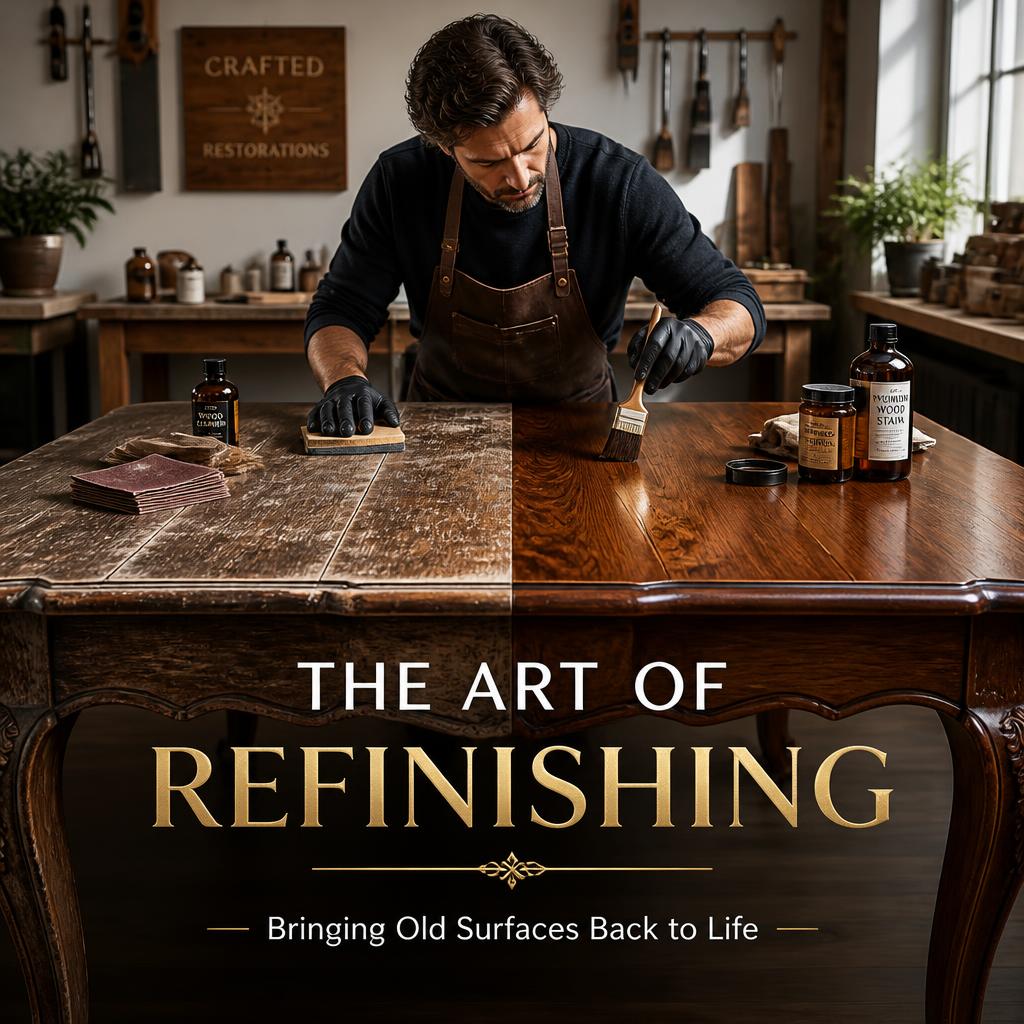
  • The Art of Refinishing: Bringing New Life to Old Surfaces

    The Art of Refinishing: Bringing New Life to Old Surfaces

    The Art of Refinishing is the skill of restoring worn, scratched, faded, or outdated surfaces so they can look beautiful and useful again. Instead of replacing a solid table, old cabinet, hardwood floor, or vintage chair, refinishing gives existing materials a fresh start. It combines careful preparation, craftsmanship, creativity, and patience to preserve character while improving appearance and durability. – shultzrefinishing.com

    What Does Refinishing Really Mean?

    Refinishing involves improving or removing an existing surface coating before applying a new decorative or protective finish. Depending on the project, the process may include cleaning, stripping, sanding, repairing, staining, painting, polishing, and sealing.

    The goal is not necessarily to make an old item look completely new. In many cases, preserving subtle signs of age adds personality and authenticity.

    Why Old Surfaces Are Worth Saving

    A scratched or faded surface can hide surprisingly beautiful material underneath. An old wooden table may reveal attractive grain after sanding, while a dated cabinet might feature excellent craftsmanship beneath layers of paint.

    That hidden potential is one reason refinishing feels so rewarding. A tired appearance does not always mean poor quality.

    Why Refinishing Is More Than a Makeover

    Refinishing improves appearance, but its benefits go much further. Protective coatings naturally wear down through sunlight, moisture, heat, spills, and daily use. Once that protection weakens, the material underneath becomes more vulnerable.

    A properly restored finish can extend the useful life of furniture, flooring, doors, and other surfaces. It can also reduce unnecessary replacement costs.

    A More Sustainable Approach to Design

    Refinishing supports a practical form of sustainability: using good materials for longer.

    Rather than discarding furniture simply because its color feels outdated, owners can transform it. A sturdy dining table, for example, may suit several generations of interior styles with thoughtful restoration.

    Where Can Refinishing Be Used?

    Refinishing works across many residential and commercial settings. Common projects include tables, chairs, cabinets, desks, doors, staircases, hardwood floors, shelves, and architectural woodwork.

    However, every surface requires a slightly different approach. Solid wood, veneer, laminate, and metal cannot always be treated with the same products or techniques.

    Furniture Refinishing and Material Identification

    Before beginning any furniture project, identify what the piece is made from.

    Solid wood generally allows more flexibility during sanding and repair. Veneer, by contrast, consists of a thin layer of natural wood attached to another material. Aggressive sanding can quickly damage that decorative layer.

    Why Gentle Techniques Matter

    Detailed furniture, carved sections, and thin surfaces require control. Hand sanding may take longer than using power equipment, but it provides greater precision around edges and delicate areas.

    Sometimes, working slowly produces the fastest route to a professional-looking result.

    Preparation Is the Foundation of Great Refinishing

    Beautiful results begin long before the final coat goes on.

    Start by inspecting the entire surface for scratches, loose joints, cracks, stains, peeling coatings, water damage, or previous repairs. Cleaning is equally important because grease, wax, and dirt can interfere with sanding and adhesion.

    Skipping preparation often creates problems that become much more noticeable after the new finish dries.

    Stripping Versus Sanding

    Choosing between stripping and sanding depends on the existing coating and material.

    Sanding works well for smoothing imperfections and preparing surfaces. However, removing several thick layers through sanding alone can take considerable time and may damage delicate details.

    A suitable chemical stripper can soften certain coatings before removal. For many projects, careful stripping followed by controlled sanding offers an effective combination.

    How Proper Sanding Improves the Final Result

    Good sanding is about progression rather than force.

    Coarser abrasives remove imperfections, while finer grits gradually create a smoother surface. Skipping too many grit levels may leave scratches that become obvious after stain or clear coating is applied.

    Whenever possible, sand wood with the grain and use lighter pressure near corners.

    Protecting Edges and Fine Details

    Edges can lose their original shape surprisingly quickly under aggressive sanding. Power sanders are useful across broad, flat areas but require careful control.

    Small Details Create Professional Results

    Use hand sanding around corners, carvings, and decorative profiles. Check your progress frequently instead of waiting until the entire surface has been sanded.

    These small habits help preserve the craftsmanship that makes older pieces special.

    Choosing Paint, Stain, or a Natural Finish

    Once preparation is complete, the creative stage begins.

    Paint can completely transform outdated furniture and introduce a fresh color. Stain changes the tone while allowing natural wood grain to remain visible. Clear finishes emphasize the material itself while adding protection.

    The best option depends on the object’s style, material, location, and expected use.

    Always Test Before Applying

    Wood species react differently to stain and finishing products. A shade that looks warm brown on a sample may appear darker, lighter, or redder on the actual surface.

    Testing on a hidden section can prevent an expensive mistake.

    Applying the New Finish Correctly

    Thin, controlled applications usually produce better results than one heavy coat. Thick layers can create drips, uneven textures, cloudy areas, or slow curing.

    Follow the product’s instructions for application, ventilation, drying, and recoating.

    Drying and Curing Are Not the Same

    A surface may feel dry while the coating underneath remains soft.

    Drying generally means the surface is no longer wet. Curing is the longer process during which the finish reaches its intended hardness.

    Using furniture or floors too soon can leave dents, marks, or scratches.

    Common Refinishing Mistakes to Avoid

    Many refinishing problems come from rushing. Common mistakes include poor cleaning, excessive sanding, applying overly thick coats, ignoring drying times, and choosing incompatible products.

    Another frequent mistake is trying to make every old item look completely new. Sometimes, preserving minor imperfections gives a piece more character.

    Good refinishing improves a surface without automatically erasing its story.

    When Should You Hire a Professional?

    Simple tables, chairs, shelves, and solid-wood furniture can make excellent DIY projects. However, valuable antiques, delicate veneer, historic woodwork, and severely damaged pieces may require professional expertise.

    A specialist can identify materials, select suitable products, repair structural problems, and preserve historically important details.

    Keeping Refinished Surfaces Beautiful

    Proper maintenance helps a restored surface last longer. Clean it with suitable products, wipe spills quickly, avoid unnecessary moisture, and protect high-use areas from excessive heat or abrasion.

    Minor wear should also be addressed early. Small maintenance efforts are much easier than another complete restoration.

    Rediscovering Value Through The Art of Refinishing

    Refinishing changes the way we look at worn objects. Instead of seeing scratches, faded colors, and outdated finishes as reasons to replace something, we can recognize the quality and potential underneath. With careful preparation, appropriate techniques, and a little creativity, furniture and architectural surfaces can serve beautifully for many more years. Ultimately, The Art of Refinishing is about preserving what is worth keeping while giving familiar materials a fresh appearance, renewed protection, and another meaningful chapter.

  • Amazing Furniture Before After Projects Full of Inspiration

    Amazing Furniture Before After Projects Full of Inspiration

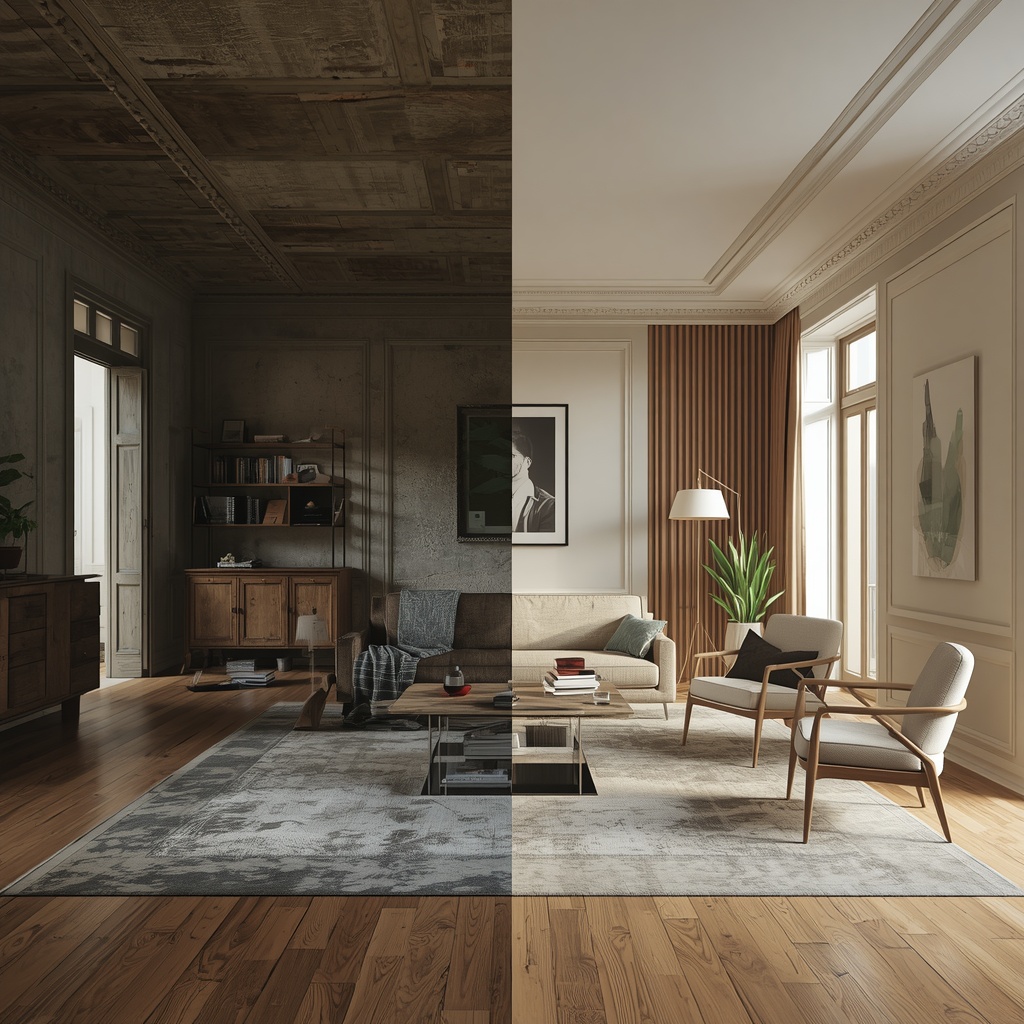
    Amazing Furniture Before After Projects Full of Inspiration is a fascinating topic for anyone who loves creative interiors, smart renovations, and unique design transformations. Old furniture often carries memories, character, and hidden potential that can be brought back to life with the right approach. Instead of throwing away outdated pieces, many homeowners, designers, and DIY enthusiasts are discovering how simple changes can create stunning furniture makeovers that completely transform a room. – shultzrefinishing.com

    Furniture transformation projects are becoming increasingly popular because they combine creativity, sustainability, and personal expression. From vintage cabinets becoming modern storage solutions to worn-out chairs receiving stylish new identities, these projects show that furniture can evolve with changing lifestyles. Let’s explore how these inspiring before-and-after ideas work and why they continue to attract attention from interior lovers around the world.

    Understanding the Beauty Behind Furniture Transformation Projects

    Furniture before and after projects focus on improving the appearance, function, and value of existing pieces. The concept is simple: take something old, damaged, or outdated and redesign it into something fresh and useful.

    Many transformations happen through techniques such as repainting, refinishing, restructuring, replacing hardware, or adding modern decorative elements. The process is not only about making furniture look attractive but also about preserving its original personality.

    A forgotten wooden table, for example, may only need a new finish and updated legs to become a centerpiece in a contemporary dining area. This approach reflects the idea of adaptive reuse, a design philosophy that gives old objects a second purpose instead of replacing them.

    Why Before After Furniture Makeovers Are So Inspiring

    The popularity of furniture makeovers comes from several important reasons. First, they allow people to create personalized interiors without spending excessive amounts of money. Buying brand-new furniture can be expensive, while renovating existing pieces often provides a more affordable solution.

    Second, these projects support environmental awareness. Furniture restoration reduces waste and encourages a more sustainable lifestyle. In modern interior design, the concept of circular economy is becoming more important because it focuses on reusing resources efficiently.

    Finally, before-and-after transformations create emotional value. A restored piece may remind someone of family history, childhood memories, or meaningful moments. The furniture becomes more than an object; it becomes part of the story of a home.

    Creative Ideas for Amazing Furniture Before After Projects

    Turning Old Cabinets Into Modern Storage Solutions

    One of the most impressive furniture transformations involves outdated cabinets. Old cabinets often have strong structures but lack modern appeal.

    A simple makeover can include sanding the surface, applying a new color, changing handles, and improving the interior organization. A dark wooden cabinet can become a minimalist white storage unit, while an unused bookshelf can transform into a stylish coffee station.

    These projects prove that small improvements can create a completely different visual impact.

    Restoring Vintage Chairs With Contemporary Styles

    Chairs are another popular choice for renovation projects. Many vintage chairs have excellent craftsmanship but suffer from faded fabric or outdated colors.

    Replacing the upholstery with modern materials can instantly refresh the design. Designers often combine classic shapes with modern textures to create a balanced appearance.

    This method follows the principle of design contrast, where different styles are combined to create a unique aesthetic.

    Transforming Old Tables Into Statement Furniture

    Tables usually receive heavy daily use, which makes them perfect candidates for restoration. Scratches, stains, and aging surfaces can often be repaired through refinishing techniques.

    A wooden table can be transformed using natural oils, colorful paints, or even creative patterns. Some designers add glass surfaces, metal accents, or custom designs to make the piece stand out.

    These changes can turn an ordinary table into a conversation piece inside a home.

    Step-by-Step Process Behind Successful Furniture Makeovers

    Evaluating the Condition and Potential

    Before starting any project, it is important to examine the furniture carefully. Check the material quality, structural stability, and possible repair requirements.

    Solid wood furniture usually offers more opportunities for transformation compared to pieces made from lower-quality materials. Understanding the condition helps determine whether restoration is practical.

    Choosing the Right Design Direction

    The next step is deciding the final style. Some people prefer modern minimalism, while others enjoy rustic, industrial, or vintage aesthetics.

    Creating a clear concept prevents unnecessary changes during the process. Color selection, materials, and decorative elements should work together harmoniously.

    Applying Restoration Techniques Carefully

    The actual transformation requires patience and attention. Cleaning, sanding, repairing, painting, and finishing should be completed step by step.

    Many successful creators use techniques such as surface preparation, color layering, and protective coating to achieve professional-looking results.

    A carefully planned approach is what separates an average makeover from an amazing transformation.

    How Furniture Before After Projects Improve Home Design

    Furniture transformations can dramatically influence the atmosphere of a space. A single renovated piece can become the focal point of a room and change how people experience the environment.

    For example, a restored wooden dresser can add warmth to a modern bedroom. A redesigned coffee table can create a more inviting living room. These improvements demonstrate how furniture affects both visual appearance and emotional comfort.

    For those looking for creative examples and practical ideas, exploring furniture makeover ideas can provide inspiration for selecting styles, materials, and techniques that match different home concepts.

    Popular Trends in Modern Furniture Restoration

    Minimalist and Scandinavian Inspired Designs

    Minimalist furniture transformations emphasize clean lines, neutral colors, and functional simplicity. Scandinavian-inspired designs often use natural wood, soft tones, and practical structures.

    This style works well for people who want a calm and organized living environment.

    Bold Colors and Artistic Furniture Concepts

    Some creators prefer dramatic transformations using bright colors, artistic patterns, or unique textures.

    These projects turn ordinary furniture into expressive artwork. A colorful cabinet or painted chair can bring personality into an otherwise simple room.

    Smart and Functional Furniture Upgrades

    Modern restoration is not only about appearance. Many projects also improve functionality.

    Examples include adding hidden storage, upgrading lighting features, or modifying furniture layouts. These changes make older furniture suitable for modern lifestyles.

    Common Mistakes to Avoid During Furniture Transformation

    Although furniture makeovers can be exciting, several mistakes may reduce the final quality. One common issue is skipping preparation. Applying paint without proper cleaning and sanding can lead to poor results.

    Another mistake is choosing materials that do not match the furniture type. Different surfaces require different treatments to achieve durability.

    Additionally, rushing the process can affect the final appearance. Great transformations usually require careful planning and patience.

    The Future of Furniture Before After Inspiration

    As sustainability becomes a bigger part of modern living, furniture transformation projects will continue to grow. People are becoming more interested in meaningful designs rather than simply buying new products.

    Future furniture trends will likely combine technology, creativity, and environmental responsibility. Digital design tools, advanced materials, and innovative restoration methods may make transformations even more accessible.

    Final Thoughts on Amazing Furniture Before After Projects Full of Inspiration

    Amazing Furniture Before After Projects Full of Inspiration shows how creativity can completely change the way we see old furniture. A forgotten item can become a beautiful centerpiece through thoughtful design, skilled restoration, and personal imagination. These projects represent more than simple decoration because they combine sustainability, emotional value, and artistic expression. By exploring new ideas and embracing transformation, anyone can discover the incredible possibilities hidden inside existing furniture.

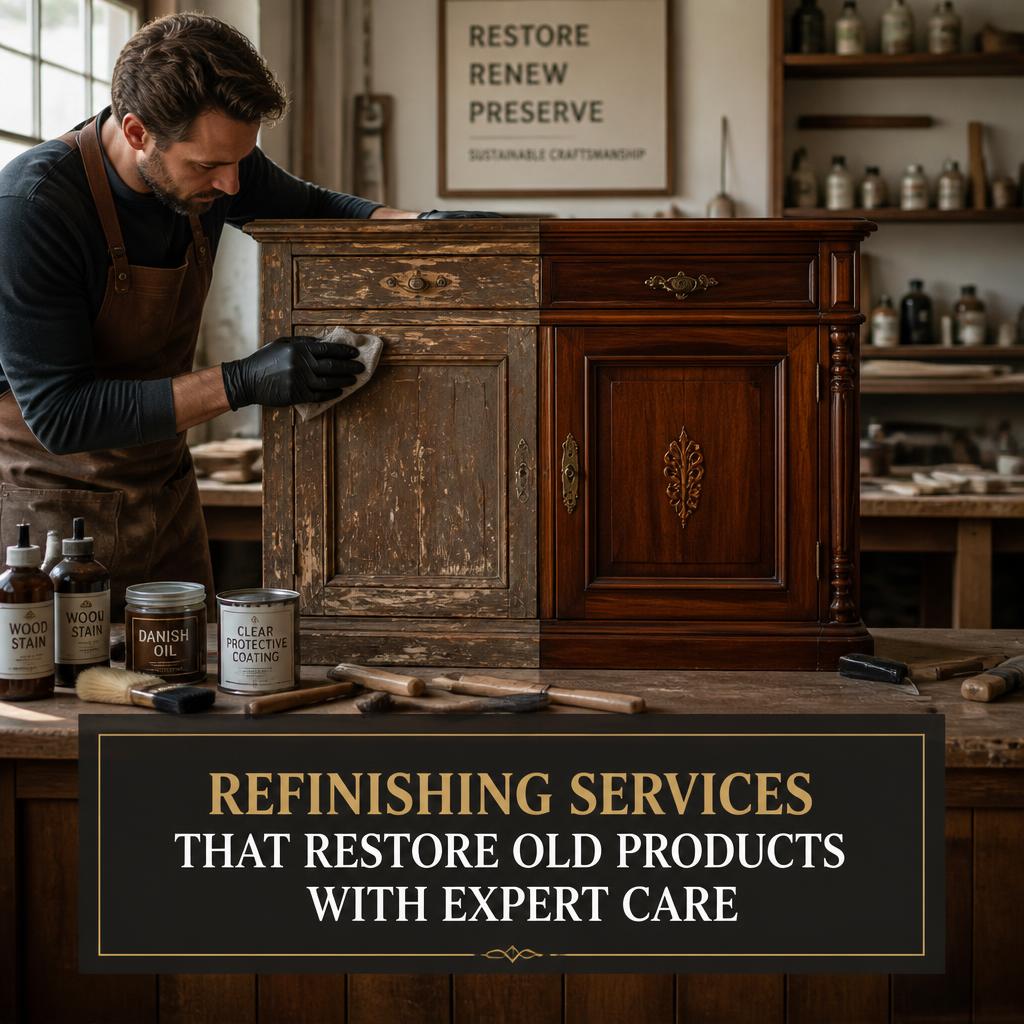
  • Refinishing Services That Restore Old Products With Expert Care

    Refinishing Services That Restore Old Products With Expert Care

    shultzrefinishing.com – Refinishing Services That Restore Old Products With Expert Care offers a practical way to bring aging items back to life while preserving their original charm, structure, and value. Instead of replacing old furniture, decorative pieces, equipment, or personal belongings, many people now choose professional refinishing because it combines restoration techniques, creative craftsmanship, and modern surface technology. These services help transform worn products into refreshed pieces that feel new again without losing their unique history.

    Understanding the Purpose of Professional Refinishing Services

    What Makes Refinishing Different From Simple Repairs?

    Refinishing is more than fixing visible damage. It focuses on renewing the appearance and improving the surface condition of an item through specialized methods. A repair might replace a broken part, while refinishing can completely change how a product looks and feels.

    Professional refinishing often includes cleaning, sanding, polishing, coating, staining, painting, and protective finishing. These processes require patience and technical knowledge because each material reacts differently. Wood, metal, leather, stone, and other surfaces all need specific treatments to achieve long-lasting results.

    Why Old Products Deserve a Second Life

    Many older products carry sentimental, artistic, or historical value. A vintage table from a family home, an antique cabinet, or a classic piece of equipment may have memories attached that cannot be replaced by purchasing something new.

    Refinishing allows owners to maintain those connections while improving functionality. It also supports a more sustainable lifestyle by reducing waste and encouraging the reuse of existing products.

    The Growing Demand for Expert Restoration Solutions

    Who Uses Refinishing Services Today?

    Refinishing services are used by homeowners, collectors, businesses, interior designers, and restoration enthusiasts. Homeowners often choose these services for furniture upgrades, while businesses may restore office interiors, retail displays, or customized decorations.

    Collectors especially value expert refinishing because careful restoration can preserve the original character of valuable items. A skilled professional understands when to restore, when to preserve, and when to avoid unnecessary changes.

    Where Can Refinishing Be Applied?

    Refinishing is useful across many industries and environments. Common applications include:

    • Residential furniture restoration
    • Antique product renewal
    • Commercial interior improvements
    • Custom decorative projects
    • Automotive surface restoration
    • Metal finishing solutions
    • Luxury product maintenance

    Each project requires a different approach. A wooden chair from decades ago may need gentle hand-finishing, while a metal object may require corrosion treatment and advanced coating techniques.

    The Complete Process Behind Quality Refinishing Work

    Step One: Inspection and Surface Analysis

    A successful refinishing project begins with careful evaluation. Experts examine the product’s material, damage level, previous coatings, and structural condition.

    This stage helps determine the correct method. For example, removing an old finish from delicate wood requires different tools compared with restoring industrial metal surfaces.

    Step Two: Preparation and Restoration Techniques

    Preparation is one of the most important parts of refinishing. Professionals usually remove dirt, old layers, stains, or damaged coatings before applying new treatments.

    Techniques such as abrasive cleaning, surface conditioning, and controlled sanding help create a smooth foundation. These scientific approaches improve adhesion and increase the durability of the final finish.

    Step Three: Applying New Finishes and Protective Layers

    After preparation, specialists apply new colors, textures, or protective coatings. Modern refinishing may use advanced materials such as polyurethane coatings, eco-friendly finishes, and specialized sealants.

    These materials help protect surfaces from moisture, scratches, ultraviolet exposure, and everyday wear. The final result is not only attractive but also more resistant to future damage.

    Choosing the Right Refinishing Approach for Your Product

    Matching Techniques With Material Types

    Different materials require different refinishing strategies. Wood often benefits from staining and polishing, while metal may require rust removal and powder coating. Leather products might need conditioning treatments and color restoration.

    Understanding material science is essential because incorrect methods can reduce the lifespan of an item rather than improve it.

    The Importance of Skilled Craftsmanship

    Experience plays a major role in achieving professional results. A refinishing specialist combines technical ability with artistic judgment to maintain balance between restoration and modernization.

    For anyone searching for reliable solutions, Refinishing Services That Restore Old Products With Expert Care can provide the expertise needed to protect valuable items while improving their appearance.

    Modern Technology Meets Traditional Restoration Skills

    How Innovation Improves Refinishing Results

    Today’s refinishing industry combines traditional craftsmanship with modern technology. Digital color matching, advanced spraying systems, and environmentally responsible materials allow professionals to create more precise outcomes.

    These innovations help achieve consistent finishes while reducing unnecessary material waste. Many experts now use sustainable practices that align with environmental goals.

    Preserving Character While Creating Fresh Designs

    A common mistake in restoration is removing too much original character. Good refinishing maintains the identity of a product while improving its condition.

    For example, an antique wooden cabinet may keep its natural grain patterns while receiving a stronger protective layer. This balance creates a result that feels authentic and refreshed.

    Benefits of Investing in Professional Refinishing

    Cost Savings Compared With Replacement

    Replacing old products can become expensive, especially for high-quality or custom-made items. Refinishing provides an affordable alternative by extending the usable life of existing products.

    Instead of purchasing a completely new item, owners can upgrade what they already have and achieve a customized appearance.

    Environmental Advantages of Restoration

    Refinishing supports environmental responsibility by reducing landfill waste. This approach follows the principles of the circular economy, where products remain useful for longer periods instead of being quickly discarded.

    By choosing restoration, consumers contribute to resource conservation and more sustainable consumption habits.

    When Should You Consider Refinishing Services?

    Signs That Your Product Needs Professional Attention

    Several signs indicate that refinishing may be the right solution:

    • Faded colors or damaged surfaces
    • Scratches and visible wear
    • Peeling finishes
    • Outdated designs
    • Loss of protective coating
    • Valuable items needing preservation

    Timing matters because early treatment can prevent deeper damage and reduce restoration costs.

    Planning Your Restoration Project Successfully

    Before starting a project, consider your goals, budget, desired style, and expected durability. Discussing these details with a professional helps create a clear restoration plan.

    A quality refinishing provider can recommend suitable materials, explain available options, and ensure the final result matches your expectations.

    Final Thoughts on Bringing Old Products Back to Life

    Restoration is not simply about making something look better; it is about preserving stories, craftsmanship, and useful products for the future. With skilled techniques, modern materials, and careful attention to detail, old items can become beautiful pieces that continue serving their purpose for many years. Choosing Refinishing Services That Restore Old Products With Expert Care is a smart way to protect valuable belongings, refresh worn surfaces, and create lasting results through expert restoration.

  • Furnitures Maintenance Tips That Save Your Couch From Drama LOL

    Furnitures Maintenance Tips That Save Your Couch From Drama LOL

    shultzrefinishing – Furnitures Maintenance Tips That Save Your Couch From Drama LOL is a practical guide that helps you keep your home furniture in top condition without turning it into a complicated chore. Whether you’re dealing with a wooden table, a fabric sofa, or a leather chair, proper care plays a huge role in extending lifespan and maintaining aesthetics.


    Why Furniture Maintenance Actually Matters

    Furniture isn’t just decoration—it’s part of daily life. Every sit, scratch, spill, and temperature shift slowly changes its structure over time.

    What Happens Without Proper Care

    Without regular maintenance, materials begin to degrade through oxidation, moisture absorption, and surface abrasion. Wood can warp, fabric can weaken, and leather can dry out and crack. These changes don’t happen overnight—they build gradually like a silent process.

    Scientific Wear and Tear Mechanisms

    At a microscopic level, fibers in upholstery break due to friction, while wood loses its natural oils. This is why untreated furniture often looks “tired” even if it isn’t that old.


    Who Needs Furniture Maintenance?

    The short answer: everyone.

    Homeowners vs Renters

    Homeowners usually invest in long-term furniture, so maintenance becomes essential for value preservation. Renters, on the other hand, often need quick and reversible care solutions that don’t require heavy restoration work.


    Where Damage Usually Starts

    Most furniture damage begins in areas you use the most.

    High-Contact Zones

    Armrests, seat cushions, table edges, and drawer handles are the first to show signs of wear. These zones experience constant pressure and friction, making them vulnerable to structural fatigue.


    When Should You Maintain Furniture?

    Timing matters more than people realize.

    Seasonal Maintenance Cycles

    Humidity in summer and dryness in winter affect materials differently. Wood expands in moisture and contracts in dry air, while leather becomes brittle in low humidity. Ideally, maintenance should follow seasonal transitions.


    How to Clean Different Furniture Materials

    Each material requires a unique approach.

    Wood Furniture Care

    Use microfiber cloths and mild pH-neutral cleaners. Avoid excessive water because it disrupts the lignin structure inside the wood.

    Leather Maintenance

    Apply conditioner regularly to preserve elasticity. Leather behaves like human skin—it needs hydration to avoid cracking.

    Fabric Upholstery Cleaning

    Vacuuming helps remove dust particles that embed deep into fibers. For stains, use enzyme-based cleaners that break down organic compounds efficiently.


    Smart Preventive Techniques for Long-Term Use

    Prevention always beats repair.

    Environmental Control

    Maintain indoor humidity between 40–55% to stabilize material behavior. This prevents expansion and contraction cycles that weaken joints over time.

    In fact, the role of Furnitures Maintenance Tips becomes even more important when you consider how environmental stress accelerates microscopic damage in everyday furniture. Small habits like repositioning furniture away from direct sunlight or rotating cushions regularly can significantly slow down deterioration without requiring expensive restoration work.


    DIY Restoration Hacks That Actually Work

    Sometimes you don’t need a professional—just the right technique.

    Scratch and Surface Repair

    Wood scratches can be masked using natural oils or wax sticks. For deeper dents, steam treatment helps relax compressed fibers and restore shape.

    Fabric Refresh Techniques

    Baking soda helps neutralize odor molecules trapped inside fabric layers, while gentle brushing restores texture alignment.


    Advanced Protection Methods for Modern Homes

    Modern homes use smarter protection systems.

    Protective Coatings and Sealants

    Nano-coatings form invisible layers that repel water and dust. These hydrophobic treatments reduce stain absorption significantly.

    Anti-Microbial Furniture Technology

    Some newer materials include silver-ion coatings that reduce bacterial growth, especially useful for high-use surfaces like sofas and dining chairs.


    Practical Daily Habits That Make a Big Difference

    Small habits often create the biggest impact.

    • Rotate cushions every week
    • Avoid dragging furniture across floors
    • Clean spills immediately instead of letting them dry
    • Keep pets’ claws trimmed to reduce surface damage

    These simple actions reduce long-term structural stress and keep furniture looking newer for longer.


    Common Mistakes People Make

    Many people unknowingly damage their furniture through routine habits.

    Using Harsh Chemicals

    Bleach-based cleaners can break down protective finishes and weaken surface coatings.

    Ignoring Early Signs of Damage

    Small cracks, loose joints, or faded areas often indicate deeper structural issues. Ignoring them leads to expensive repairs later.


    Quick Science Behind Furniture Longevity

    Furniture durability depends on material science. Wood behaves as an anisotropic material, meaning its strength varies by direction. Fabric fibers undergo tensile stress, while leather experiences elastic fatigue over time.

    Understanding these behaviors helps you apply better care routines without guesswork.


    Taking care of furniture isn’t about perfection—it’s about consistency. When you understand materials, environment, and daily habits, maintenance becomes effortless and almost automatic.

    At the end of the day, Furnitures Maintenance Tips That Save Your Couch From Drama LOL is more than just a quirky idea—it’s a reminder that small actions today prevent big problems tomorrow, keeping your home comfortable, stylish, and long-lasting.

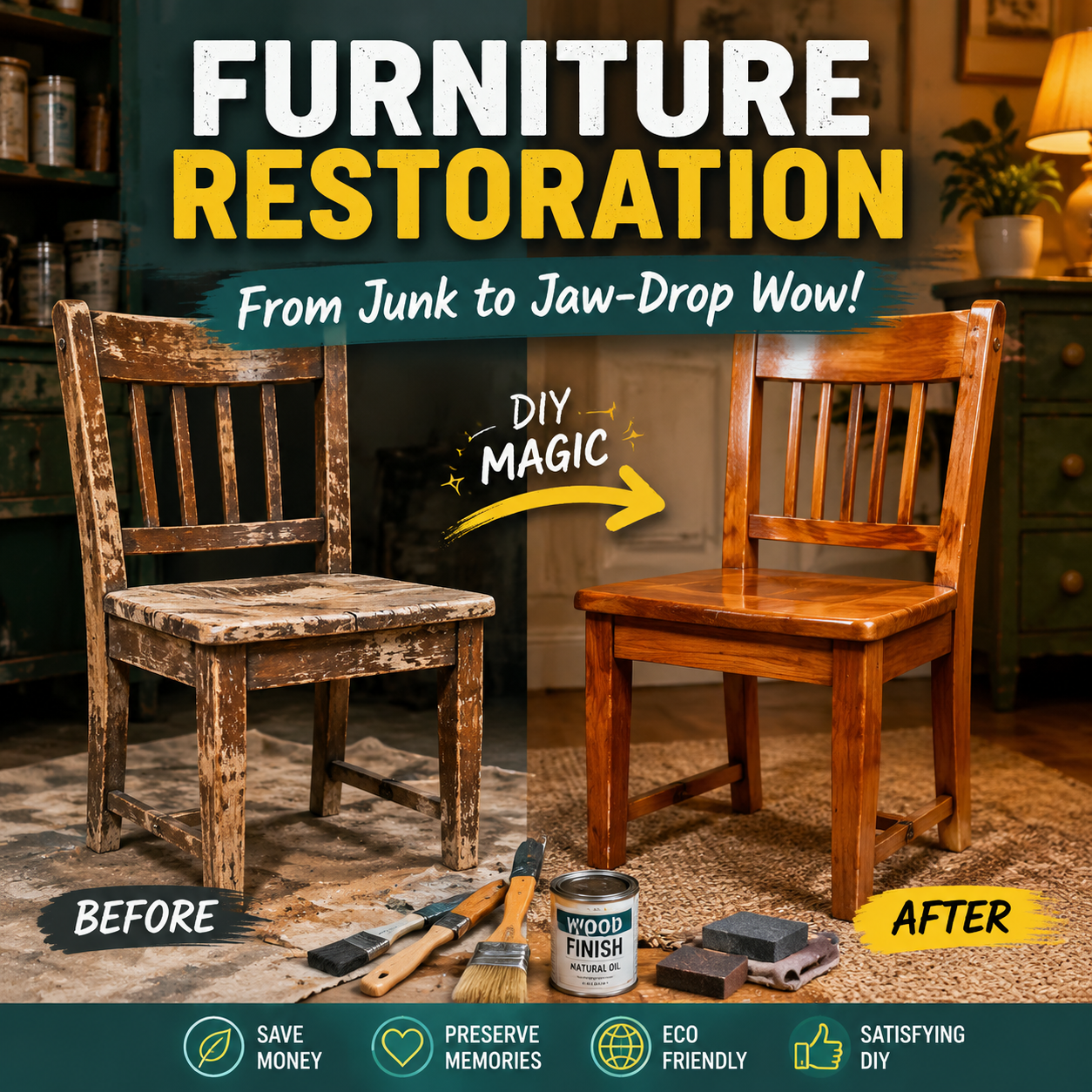
  • Furniture Restoration Gone Wild: From Junk to Jaw-Drop Wow DIY

    Furniture Restoration Gone Wild: From Junk to Jaw-Drop Wow DIY

    shultzrefinishing – Furniture Restoration Gone Wild: From Junk to Jaw-Drop Wow DIY kicks off with a simple idea—turning old, tired furniture into something that actually makes people stop and stare. In this guide, everything about Furniture Restoration is broken down in a relaxed, easy-to-follow way so anyone can understand it, even if you’ve never held a paintbrush or sandpaper before. It blends creativity, science, and a bit of patience into one satisfying process that brings forgotten pieces back to life.


    What Is Furniture Restoration?

    Furniture restoration is the process of repairing, refinishing, and improving old furniture so it can be used again. It’s not just about making things look pretty—it’s about preserving structure, history, and function.

    In technical terms, restorers often deal with material conservation, surface chemistry, and wood grain behavior, especially when working with antique items. The goal is balance: keep originality while improving durability.


    Who Actually Needs Furniture Restoration?

    Honestly, almost everyone benefits from it.

    • Homeowners trying to save money
    • Interior designers working with vintage aesthetics
    • Collectors preserving antique value
    • Cafés and hotels wanting unique décor

    Even small apartment renters in busy cities like Tokyo or New York often use restoration to personalize space without buying expensive new furniture.


    Where Furniture Restoration Is Most Popular

    This practice is globally spread, but some hotspots include:

    • Europe (especially Italy and France for antiques)
    • Japan (minimalist restoration style)
    • United States (DIY culture boom)
    • Southeast Asia (upcycling movement growing fast)

    In urban areas, restoration studios often double as creative workshops where people learn hands-on skills.


    When Should You Restore Furniture?

    Timing matters more than people think. You should consider restoration when:

    • The structure is still solid but the surface is damaged
    • Paint or polish is fading
    • Wood has scratches, stains, or water damage
    • The piece holds sentimental value

    If a chair or table starts squeaking like it’s telling stories, that’s usually a good sign it needs attention.


    Why Furniture Restoration Is Worth It

    There are three main reasons:

    Economic Value

    Restoring is often cheaper than buying new furniture.

    Emotional Value

    Family heirlooms carry memories that can’t be replaced.

    Environmental Value

    It reduces waste and supports sustainability by reusing materials instead of dumping them.

    This combination makes restoration both practical and meaningful.


    Essential Tools and Materials

    Before starting any project, you’ll need a basic toolkit:

    Core Tools

    • Sandpaper (various grit levels)
    • Screwdrivers and clamps
    • Wood glue (polyvinyl acetate adhesive)
    • Paintbrushes and rollers

    Finishing Materials

    • Wood stain
    • Natural oil finishes like tung oil or linseed oil
    • Protective varnish

    Safety Gear

    • Gloves
    • Dust mask
    • Eye protection

    Step-by-Step Furniture Restoration Process

    Restoring furniture isn’t random—it follows a structured flow.

    Step 1: Inspection

    Check cracks, loose joints, and surface damage.

    Step 2: Cleaning

    Remove dirt, grease, and old wax using mild soap or specialized cleaners.

    Step 3: Sanding and Surface Prep

    This is where transformation begins. Sanding removes old finishes and exposes fresh wood.

    At this stage, you’ll often hear professionals talk about Furniture Restoration as a blend of craftsmanship and material science because each surface reacts differently depending on humidity, wood type, and age.

    Step 4: Repair Work

    Fix broken joints, replace missing parts, or reinforce weak areas using adhesive and clamps.

    Step 5: Refinishing

    Apply stain or paint evenly to restore visual appeal.

    Step 6: Sealing and Protection

    Finish with varnish or wax to protect against moisture and scratches.


    Common Mistakes Beginners Make

    Even simple projects can go wrong if you’re not careful:

    • Over-sanding and damaging wood texture
    • Using the wrong adhesive for joints
    • Skipping cleaning before painting
    • Applying thick layers of paint too quickly

    Patience is the real secret ingredient here.


    Modern Techniques in Furniture Restoration

    Today’s restoration blends tradition with technology:

    • Laser cleaning technology for delicate surfaces
    • Microscopic wood analysis for damage detection
    • Eco-friendly water-based coatings
    • Digital color matching systems

    These methods help restorers maintain precision while reducing human error.


    Cost and Value Breakdown

    Restoration costs depend on:

    • Material type (oak, pine, teak)
    • Damage level
    • Labor time
    • Finishing quality

    However, restored furniture can increase in value, especially antique pieces. Some even appreciate like art over time.


    DIY Tips and Pro Hacks

    Here are some practical insights:

    • Always test paint on a hidden area first
    • Use vinegar solution for mild cleaning before chemicals
    • Keep humidity stable during drying
    • Rotate furniture while working for even finishing

    Small habits make a big difference in results.


    Sustainability Impact of Furniture Restoration

    Restoration plays a huge role in reducing landfill waste. Instead of discarding furniture, reusing materials lowers carbon footprint and supports circular economy models.

    It also encourages mindful consumption—buy less, restore more, and value what already exists.

    Furniture restoration isn’t just a hobby—it’s a mix of creativity, science, and emotional storytelling through objects that already exist. Every scratch has a history, and every repair adds a new chapter.

    In the end, Furniture Restoration Gone Wild: From Junk to Jaw-Drop Wow DIY shows that even the most forgotten chair or table can become something extraordinary again when treated with care, patience, and a little imagination.

  • Why Furniture Refinishing Services Turn Grandma Chairs Into Stars

    Why Furniture Refinishing Services Turn Grandma Chairs Into Stars

    Why Furniture Refinishing Services Turn Grandma Chairs Into Stars is more than just a funny idea—it shows how old, scratched, and forgotten furniture can completely transform into eye-catching pieces again. In many homes, people now rescue vintage chairs, tables, and cabinets because they want style, memory, and sustainability all in one. Moreover, this process brings personality back into spaces that feel too “new and empty.”


    What Furniture Refinishing Really Means in Simple Terms

    Furniture refinishing means restoring wooden or upholstered furniture by removing old layers and applying fresh finishes. In other words, craftsmen take worn-out items and rebuild their visual appeal step by step.

    Additionally, they repair structural damage so the furniture not only looks good but also works properly again. Therefore, refinishing becomes both an aesthetic and functional upgrade.


    Why Homeowners Choose Refinishing Instead of Buying New

    People choose restoration for many reasons, and each reason connects to real-life needs.

    Emotional Value Still Matters

    Many families keep furniture for decades. Consequently, they prefer restoring it instead of replacing it because memories stay attached to each piece.

    Budget-Friendly Decision

    New furniture costs more, especially premium wood pieces. Meanwhile, refinishing often delivers similar visual results at a lower price.

    Eco-Friendly Lifestyle Choice

    In addition, refinishing reduces waste. As a result, fewer items end up in landfills, and sustainability improves naturally.


    Step-by-Step Process of Refinishing Furniture

    Professionals follow a clear workflow to ensure strong and beautiful results.

    Step 1 – Deep Inspection

    Technicians first examine cracks, dents, and surface wear. Then, they decide what restoration method fits best.

    Step 2 – Removing Old Layers

    Next, they strip old paint or varnish using sanding tools or safe chemical solutions.

    Step 3 – Repairing Structural Damage

    After that, they fix broken joints and fill gaps to restore stability.

    Step 4 – Surface Refinement

    They sand the surface carefully so it becomes smooth and ready for finishing.

    Step 5 – Final Coating Application

    Finally, they apply protective layers such as oil, lacquer, or varnish to seal and beautify the furniture.


    Popular Styles Used in Modern Refinishing

    Different styles create different moods inside a home.

    Natural Wood Revival

    This style highlights grain patterns and keeps the wood look authentic.

    Bold Color Transformation

    On the other hand, some homeowners prefer repainting furniture with modern colors.

    Antique Restoration Finish

    Moreover, antique lovers keep original details while improving durability.

    Minimalist Matte Look

    Meanwhile, modern interiors often choose soft matte finishes for a clean aesthetic.


    Tools That Make Refinishing Possible

    Craftsmen use both traditional and modern tools to achieve precision.

    • Sanding machines for surface leveling
    • Wood fillers for cracks and holes
    • Staining liquids for color enhancement
    • Protective sealants for durability
    • Brushes and spray systems for finishing

    Because each tool serves a purpose, the final result becomes more consistent and professional.


    Real Impact of Professional Refinishing Work

    Professionals deliver better results because they understand materials deeply. In fact, they adjust techniques based on wood type, age, and condition.

    They also prevent common damage that often happens in DIY attempts. Therefore, the furniture not only looks new but also lasts longer.


    Understanding Cost Factors Before Starting a Project

    Several factors influence the final price:

    Furniture Size

    Larger pieces require more time and materials.

    Level of Damage

    Heavily damaged items need deeper restoration work.

    Design Complexity

    Intricate designs require more detailed craftsmanship.


    Where Mistakes Often Happen in DIY Refinishing

    Many beginners rush the process, and that creates problems.

    • They skip proper sanding
    • They apply uneven coatings
    • They ignore drying time
    • They use wrong chemical products

    As a result, the furniture often loses its natural beauty instead of gaining it.


    How Refinishing Connects to Modern Interior Design

    Modern designers increasingly combine old furniture with new styles. Consequently, homes feel more personalized and unique.

    For instance, a vintage table can sit perfectly inside a minimalist room. Meanwhile, a restored cabinet can become a statement piece in a modern kitchen.


    The Growing Demand for Professional Restoration

    Today, more people search for sustainable home solutions. Therefore, restoration services continue to grow in popularity worldwide.

    In fact, many homeowners now see old furniture as an opportunity instead of waste. This shift changes how people value design and consumption.


    When You Should Consider Refinishing Your Furniture

    You should consider restoration when:

    • The structure remains solid but the surface looks worn
    • The furniture has sentimental value
    • You want a style update without full replacement

    In addition, if repair costs stay lower than buying new items, refinishing becomes the smarter option.


    The Role of Experts in Modern Restoration Work

    Experts guide the entire transformation process. They choose materials carefully, apply techniques precisely, and ensure durability.

    Moreover, they balance creativity with technical knowledge so each piece looks both stylish and functional.


    Old furniture does not need to disappear into storage or waste. Instead, it can transform into something fresh, functional, and stylish through careful restoration. As more people embrace sustainable living, interest in Why Furniture Refinishing Services Turn Grandma Chairs Into Stars continues to grow because it blends creativity, memory, and practicality in one powerful process.

  • Expert Refinishing Services That Restore Beauty and Save Money

    Expert Refinishing Services That Restore Beauty and Save Money

    Subtitle: Learn how modern refinishing solutions revive worn surfaces, improve aesthetics, and deliver long-term value for homes and businesses.

    What Makes Refinishing Services a Smart Investment?

    shultzrefinishing – Expert Refinishing Services That Restore Beauty and Save Money highlights one of the most practical ways to upgrade existing surfaces without the expense of full replacement. Refinishing involves restoring materials such as wood, metal, cabinets, and flooring to improve their appearance and durability.

    Rather than replacing valuable items, property owners can preserve their investments while achieving a refreshed, modern look.

    Understanding the Purpose of Refinishing

    Refinishing is more than a cosmetic upgrade. It helps protect surfaces from future damage while restoring their original appeal.

    Whether dealing with scratches, fading, stains, or outdated finishes, professional refinishing provides a cost-effective solution that extends the lifespan of materials.

    Why More Property Owners Choose Refinishing

    The demand for refinishing services continues to grow for several reasons.

    Lower Renovation Costs

    Replacing cabinets, furniture, or hardwood floors can be expensive. Refinishing often delivers similar visual results at a fraction of the cost.

    Sustainable Home Improvement

    Refinishing reduces waste by keeping usable materials out of landfills. As sustainability becomes more important, many homeowners prefer restoration over replacement.

    Faster Project Completion

    Compared to major remodeling projects, refinishing usually requires less time and causes fewer disruptions.

    Surfaces Commonly Restored Through Refinishing

    Professional refinishing services can transform a wide variety of surfaces.

    Wood Furniture

    Antique tables, dining chairs, desks, and cabinets can regain their original beauty through sanding, staining, and protective finishing.

    Kitchen Cabinets

    Cabinet refinishing remains one of the most popular kitchen upgrades because it dramatically changes the room’s appearance without a complete renovation.

    Hardwood Flooring

    Years of foot traffic can leave floors scratched and dull. Refinishing removes surface damage and restores natural elegance.

    Metal Fixtures

    Railings, decorative pieces, and commercial equipment often benefit from professional refinishing treatments.

    Who Benefits Most From Refinishing Services?

    Refinishing is ideal for anyone looking to improve appearance while controlling costs.

    Homeowners often use refinishing during remodeling projects. Business owners rely on refinishing to maintain attractive customer-facing spaces. Property managers frequently choose refinishing to prepare rental units for new tenants.

    The Professional Refinishing Process Explained

    Understanding the process helps clients know what to expect.

    Initial Evaluation

    Professionals inspect the material, assess damage, and determine the most suitable restoration method.

    Surface Preparation

    Preparation is critical for achieving high-quality results.

    Cleaning and Repair

    Dust, grease, scratches, and imperfections are removed before refinishing begins.

    Sanding and Stripping

    Old finishes are carefully stripped away to create a smooth foundation for new coatings.

    Finishing Application

    New stains, paints, sealants, or protective coatings are applied to achieve the desired appearance and protection.

    Key Advantages of Professional Refinishing

    Hiring experienced specialists offers significant benefits.

    Enhanced Appearance

    Refinishing restores color, texture, and visual appeal, making old surfaces look dramatically newer.

    Increased Durability

    Protective finishes help guard against moisture, scratches, and everyday wear.

    Better Property Value

    Well-maintained surfaces contribute to a more attractive home or commercial property.

    Budget-Friendly Results

    Refinishing often provides the visual impact of replacement while keeping costs under control.

    When Should You Schedule Refinishing?

    Timing can influence project success.

    Many people schedule refinishing before selling a property, after purchasing an older home, or during seasonal renovation projects. Addressing wear early prevents small problems from becoming major repairs.

    How to Select a Reliable Refinishing Company

    Choosing the right provider is essential.

    Look for professionals with verified reviews, extensive experience, and detailed project portfolios. Ask about warranties, finishing materials, and expected timelines before making a decision.

    For additional guidance, trusted furniture refinishing experts can help property owners understand available restoration options and quality standards.

    Maintaining Refinished Surfaces

    Proper maintenance ensures long-lasting results.

    Use gentle cleaning products, avoid harsh chemicals, and protect surfaces from excessive moisture or direct sunlight whenever possible. Regular care helps preserve the finish for years.

    Common Refinishing Myths Debunked

    Many misconceptions surround refinishing services.

    Refinishing Is Only for Old Furniture

    Not true. Cabinets, flooring, commercial fixtures, and decorative elements can all benefit from refinishing.

    Replacement Is Always Better

    Replacement may be necessary in some situations, but refinishing often delivers comparable visual improvements at a lower cost.

    Refinishing Doesn’t Last Long

    Professional refinishing performed with quality materials can remain durable and attractive for many years.

    Frequently Asked Questions

    How long does refinishing usually last?

    With proper care and maintenance, refinished surfaces can remain in excellent condition for many years.

    Can refinishing change the color of wood?

    Yes. Stains and finishes are available in many colors, allowing homeowners to customize the final appearance.

    Is refinishing suitable for commercial spaces?

    Absolutely. Restaurants, hotels, offices, and retail businesses commonly use refinishing services.

    Does refinishing create a lot of mess?

    Professional contractors use specialized equipment and containment methods to minimize dust and disruption.

    Is refinishing worth the investment?

    For many projects, refinishing provides outstanding value by improving appearance, durability, and overall property appeal.

    Refinishing remains one of the most effective ways to restore worn surfaces while avoiding the expense of complete replacement. From furniture and cabinetry to flooring and commercial fixtures, professional restoration can dramatically improve both appearance and performance. By choosing qualified experts and maintaining surfaces properly, property owners can maximize their investment. Ultimately, Expert Refinishing Services That Restore Beauty and Save Money demonstrates why refinishing continues to be a smart and practical solution for modern renovation projects.

  • Furniture Before & After Projects: Transform Your Space Creatively

    Furniture Before & After Projects: Transform Your Space Creatively

    Discover the Power of Furniture Before & After Projects

    Furniture Before & After Projects showcase the remarkable transformations that can turn ordinary pieces into statement-worthy elements. These projects highlight creative restoration, clever design tweaks, and innovative makeovers that breathe new life into old furniture. shultzrefinishing

    Why Furniture Makeovers Matter

    Furniture makeovers do more than refresh a room—they enhance functionality, reduce waste, and add personality. Understanding the why behind these projects can inspire homeowners, designers, and DIY enthusiasts alike.

    Who Can Benefit from These Projects

    From interior designers to hobbyist DIYers, anyone can leverage before and after furniture transformations. Small business owners, like boutique cafes, can also utilize them to craft unique, inviting spaces without massive budgets.

    Key Elements of Successful Makeovers

    Assessment and Planning

    A proper before-and-after project begins with assessing the furniture’s condition. Identify structural issues, scratches, or outdated finishes. Planning includes selecting colors, materials, and tools that align with your vision.

    Choosing the Right Techniques

    Techniques range from sanding, painting, staining, upholstery updates, to adding decorative elements. Each method serves a specific purpose and can dramatically alter the piece’s appearance.

    Maximizing Budget Efficiency

    Repurposing furniture often costs less than buying new. By mixing thrifted pieces with strategic investments in hardware or fabric, you achieve a high-impact result without overspending.

    Transforming Common Furniture Pieces

    Chairs and Seating

    Revitalizing chairs can involve reupholstering cushions, repainting wooden frames, or even adding modern touches like metallic accents. Before-and-after comparisons show how seating can go from drab to chic.

    Tables and Desks

    Tables are ideal candidates for staining, refinishing, or adding new legs. A worn tabletop can be sanded and treated to highlight its natural grain, transforming a room instantly.

    Storage Solutions

    Dressers, cabinets, and shelves benefit from new knobs, fresh paint, or open shelving additions. Before-and-after projects demonstrate how these small changes amplify style and organization.

    Where to Source Inspiration

    Online Platforms

    Platforms like Pinterest and design blogs offer countless examples of furniture before and after transformations. They provide practical tutorials and creative ideas tailored for all skill levels.

    Local Workshops and Communities

    Attending furniture restoration workshops or joining community groups allows hands-on learning. You gain access to expert tips, tools, and peer feedback to refine your skills.

    When to Undertake a Furniture Makeover

    Seasonal Refresh

    Spring and summer are perfect for makeovers due to better lighting and ventilation. Ideal for outdoor furniture or well-ventilated indoor areas.

    Preparing for Events

    Before hosting gatherings, a furniture update can elevate your home’s ambiance. Projects that are small yet impactful can make a huge difference in presentation.

    How to Document Before & After Progress

    Capturing high-quality images of the original state and final results is crucial. Use consistent angles, lighting, and staging. Sharing these visuals online or in a portfolio helps track progress and inspires others.

    Tips for Long-Lasting Results

    • Use durable finishes and protect surfaces with sealants.
    • Choose timeless colors and patterns to avoid outdated looks.
    • Regular maintenance ensures your furniture stays in excellent condition over time.

    Avoiding Common Pitfalls

    • Don’t skip the prep work; cleaning and sanding are essential.
    • Avoid overcomplicating designs; sometimes simplicity yields the most elegant transformations.
    • Ensure the furniture’s structural integrity before starting cosmetic changes.

    Frequently Asked Questions

    Q: How long does a typical furniture before-and-after project take?
    A: Depending on complexity, projects can range from a few hours to several days.

    Q: Can I update antique furniture without losing its value?
    A: Yes, using reversible techniques and maintaining key elements preserves value.

    Q: What tools are essential for beginners?
    A: Sandpaper, brushes, paint or stain, screwdrivers, and basic upholstery supplies cover most projects.

    Q: Is it expensive to undertake these projects?
    A: Costs vary, but careful sourcing and DIY techniques often make transformations affordable.

    Furniture Before & After Projects transform not only individual pieces but also entire spaces. They combine creativity, practicality, and style, offering a sustainable way to refresh interiors. By embracing these projects, anyone can enjoy the satisfaction of seeing dramatic transformations that reflect personal taste and craftsmanship.

  • Refinishing Services That Restore Surfaces to Like-New Beauty

    Refinishing Services That Restore Surfaces to Like-New Beauty

    What Are Refinishing Services?

    Refinishing Services That Transform Worn Surfaces Into Stunning Assets help homeowners and businesses restore aging surfaces without the cost of full replacement. Instead of discarding valuable items, refinishing specialists repair damage, remove imperfections, and apply fresh finishes that make surfaces look nearly new. – shultzrefinishing

    From wooden furniture and kitchen cabinets to hardwood floors and commercial fixtures, refinishing offers a practical and cost-effective solution for maintaining appearance and functionality.

    Why Refinishing Is Growing in Popularity

    Many property owners now prefer refinishing because it delivers impressive visual results while reducing waste. As renovation costs continue to rise, refinishing provides an attractive alternative.

    Additionally, refinishing preserves the character of original materials. Antique furniture, custom cabinetry, and premium hardwood surfaces often possess qualities that replacements cannot easily replicate.

    Cost Savings Compared to Replacement

    Replacing high-quality furniture or cabinetry can be expensive. Refinishing typically costs significantly less while still delivering a dramatic visual improvement.

    As a result, homeowners can allocate renovation budgets toward other upgrades without sacrificing quality.

    Environmental Benefits

    Refinishing supports sustainability by reducing landfill waste. Instead of disposing of functional materials, refinishing extends their usable life.

    This eco-friendly approach appeals to environmentally conscious consumers who want beautiful interiors with a smaller environmental footprint.

    Common Types of Refinishing Services

    Different surfaces require specialized techniques and materials. Professional refinishing companies often offer a variety of services tailored to specific needs.

    Furniture Refinishing

    Furniture refinishing restores tables, chairs, dressers, and cabinets that show signs of wear. Professionals strip old coatings, repair imperfections, and apply new finishes that enhance the wood’s natural beauty.

    Cabinet Refinishing

    Kitchen and bathroom cabinets frequently benefit from refinishing. Rather than replacing entire cabinet systems, refinishing updates color, texture, and appearance at a fraction of the cost.

    Hardwood Floor Refinishing

    Over time, hardwood floors develop scratches, fading, and surface damage. Refinishing removes these imperfections and restores the floor’s original elegance.

    Metal and Specialty Surface Refinishing

    Certain refinishing services also focus on metal fixtures, commercial equipment, and specialty surfaces. These treatments improve both durability and appearance.

    Who Benefits Most From Refinishing?

    Refinishing services serve a wide range of clients.

    Homeowners

    Homeowners often use refinishing to modernize living spaces without undertaking major renovations.

    Property Investors

    Real estate investors frequently rely on refinishing to improve property appeal before listing homes for sale or rent.

    Business Owners

    Restaurants, hotels, offices, and retail stores use refinishing services to maintain professional appearances while controlling maintenance costs.

    How the Refinishing Process Works

    The refinishing process varies depending on the material and condition of the surface.

    Inspection and Assessment

    Professionals first evaluate damage, material type, and finish requirements. This step helps determine the most effective restoration strategy.

    Surface Preparation

    Preparation often includes cleaning, sanding, stripping old finishes, and repairing minor defects. Proper preparation creates the foundation for lasting results.

    Application of New Finish

    Technicians apply stains, paints, sealants, or protective coatings. The selected finish depends on the desired appearance and performance requirements.

    Final Protection and Quality Check

    After curing, the surface receives a final inspection to ensure consistent color, durability, and visual appeal.

    When Should You Consider Refinishing?

    Several signs indicate it may be time for refinishing:

    • Visible scratches and dents
    • Fading or discoloration
    • Peeling finishes
    • Water damage marks
    • Outdated colors or styles
    • Surface wear from daily use

    Addressing these issues early often prevents more costly repairs later.

    Choosing the Right Refinishing Provider

    Not all refinishing companies offer the same level of craftsmanship.

    Evaluate Experience and Portfolio

    Review previous projects and ask for before-and-after examples. Experienced professionals typically demonstrate consistent quality across various surface types.

    Ask About Materials

    High-quality stains, coatings, and sealants contribute significantly to long-lasting results.

    Read Customer Reviews

    Client feedback provides valuable insight into reliability, communication, and workmanship.

    A useful resource for property owners researching restoration options is professional surface restoration solutions, which can help identify suitable refinishing approaches for different materials and environments.

    Refinishing Trends Shaping Modern Interiors

    Current design trends increasingly favor refinishing over replacement.

    Popular refinishing choices include:

    • Matte and satin finishes
    • Natural wood appearances
    • Dark-stained hardwood floors
    • Two-tone cabinetry
    • Eco-friendly coating systems

    These trends combine modern aesthetics with long-term practicality.

    Long-Term Maintenance After Refinishing

    Proper maintenance protects newly refinished surfaces and extends their lifespan.

    Daily Care Tips

    Use gentle cleaning products and avoid abrasive materials. Regular dusting and prompt spill cleanup help preserve finishes.

    Preventive Protection

    Furniture pads, rugs, and protective mats reduce wear in high-traffic areas. Additionally, controlling humidity levels helps protect wood surfaces from expansion and contraction.

    FAQ About Refinishing Services

    What is the difference between refinishing and restoration?

    Refinishing focuses on renewing the surface appearance, while restoration may involve more extensive structural repairs and historical preservation.

    How long do refinished surfaces last?

    With proper maintenance, professionally refinished surfaces can last many years before requiring additional treatment.

    Is refinishing cheaper than replacement?

    In most cases, yes. Refinishing generally costs significantly less than purchasing and installing new materials.

    Can damaged furniture be refinished?

    Many damaged furniture pieces can be refinished successfully, provided the structural integrity remains intact.

    How long does a refinishing project take?

    Project duration depends on size, complexity, drying times, and material type. Smaller projects may take a few days, while larger jobs require additional time.

    Refinishing Services That Transform Worn Surfaces Into Stunning Assets offer an effective way to restore beauty, improve durability, and maximize value without the expense of replacement. Whether you want to refresh hardwood floors, update cabinets, or revive cherished furniture, professional refinishing delivers impressive results while supporting sustainability and long-term savings. By choosing skilled specialists and maintaining refinished surfaces properly, property owners can enjoy renewed aesthetics and extended performance for years to come.

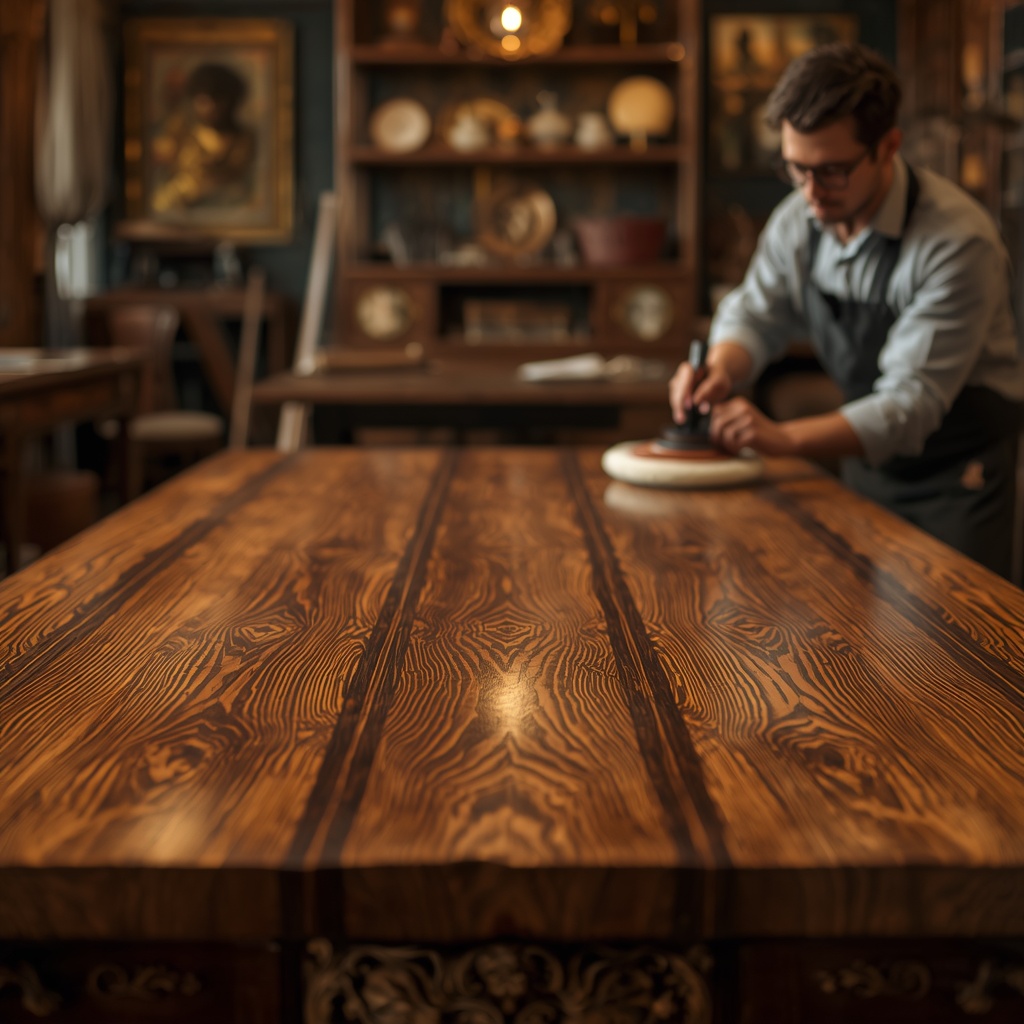
  • Furniture Restoration Tricks That Make Old Tables Look Luxury

    Furniture Restoration Tricks That Make Old Tables Look Luxury

    Why Old Tables Deserve a Second Life

    shultzrefinishing – Old tables often carry strong materials and craftsmanship that modern mass-produced furniture lacks. Instead of discarding them, restoration allows you to turn forgotten pieces into luxury-style furniture that enhances any interior. In many homes in Paris, aged wooden tables are being revived as sustainable design statements that combine history and modern elegance.


    Assessing Wood Condition Before Restoration

    Before any work begins, you must understand what you’re dealing with.

    Structural Inspection Basics

    Check for cracks, warping, and loose joints. Solid hardwood like oak or teak responds best to restoration.

    Surface vs Deep Damage

    Surface scratches are easy fixes, but deep rot or insect damage may require replacement parts or reinforcement.


    Deep Cleaning Techniques That Reveal Hidden Beauty

    Dirt and old polish often hide the true character of wood.

    Gentle Cleaning Method

    Use warm water mixed with mild soap and a microfiber cloth. Avoid soaking the wood.

    Removing Old Wax Layers

    Mineral spirits can help dissolve old wax buildup, revealing the natural grain underneath.


    Sanding Methods for a Luxury Finish

    Sanding is where transformation begins.

    Step-by-Step Sanding Process

    Start with 120-grit sandpaper, move to 220-grit, and finish with 320-grit for a smooth surface.

    Key Detail Work

    Edges and corners should be sanded lightly to maintain original table character while improving refinement.


    Staining vs Painting for Premium Look

    Choosing the right finish defines the final aesthetic.

    Natural Wood Stain

    Staining enhances grain patterns and is ideal for a high-end organic look.

    Modern Painted Finish

    Matte black, white, or deep navy can create a contemporary luxury feel, especially for minimalist interiors.


    Hardware Upgrades That Elevate Style

    Small details create a big visual impact.

    Replacing Table Legs and Handles

    Switching to brass, gold, or matte black hardware instantly modernizes the piece.

    Designer Touches

    Slim metal legs or carved wooden replacements can completely redefine table identity.


    Protective Finishes That Add Shine and Durability

    A luxury table must also last.

    Polyurethane Coating

    This adds durability and a subtle gloss finish that protects against scratches and moisture.

    Natural Oil Finish

    Tung oil or linseed oil enhances warmth and gives a soft, elegant glow.


    Design Tricks Used by Professionals

    Interior designers use subtle techniques to make restored tables look expensive.

    Contrast Styling

    Pairing dark tabletops with light legs creates visual depth.

    Texture Layering

    Combining smooth polish with raw wood edges adds artistic contrast often seen in boutique furniture stores.


    Common Mistakes to Avoid During Restoration

    Many beginners ruin furniture by rushing.

    Over-Sanding Risk

    Too much sanding removes character and reduces value.

    Wrong Product Usage

    Harsh chemicals can damage wood fibers permanently, reducing structural strength.


    FAQ – Furniture Restoration Insights

    What type of wood is easiest to restore?

    Hardwoods like oak, walnut, and teak are the most forgiving and deliver the best luxury results.

    Can I restore furniture without professional tools?

    Yes, basic tools like sandpaper, brushes, and wood stain are enough for small to medium projects.

    How long does table restoration take?

    Depending on condition, it usually takes 1–3 days, including drying time for finishes.

    Is painting better than staining for luxury look?

    Staining is preferred for natural luxury, while painting works best for modern or artistic interiors.


    Transforming old furniture into elegant pieces is not just a design trend but a sustainable lifestyle choice. With the right techniques—cleaning, sanding, finishing, and styling—you can achieve remarkable results that rival store-bought luxury furniture. The process behind Furniture Restoration Tricks That Make Old Tables Look Luxury shows that value is often hidden beneath timeworn surfaces, waiting to be revealed through careful craftsmanship and creative vision.