Tag: sustainable furniture

  • Old Furniture Restoration: From Worn-Out to Beautiful Again

    Old Furniture Restoration: From Worn-Out to Beautiful Again

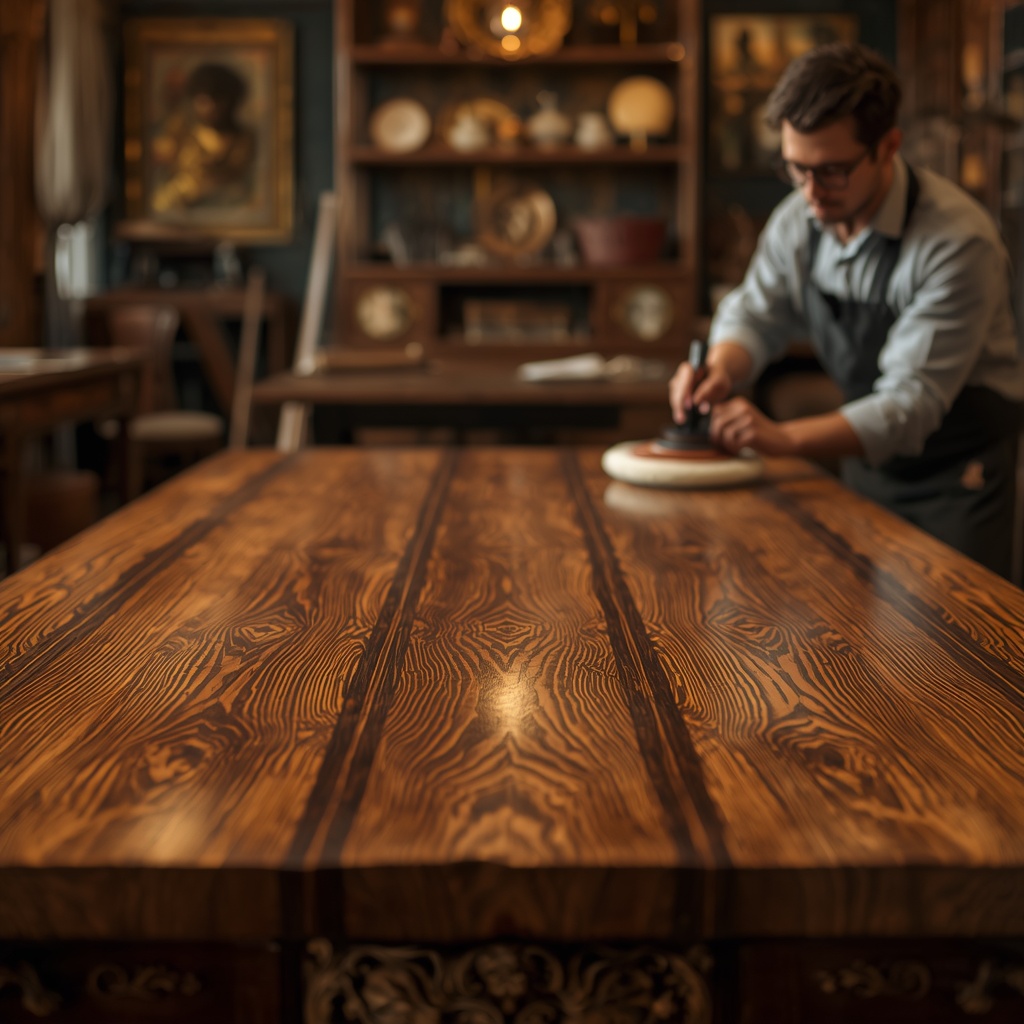
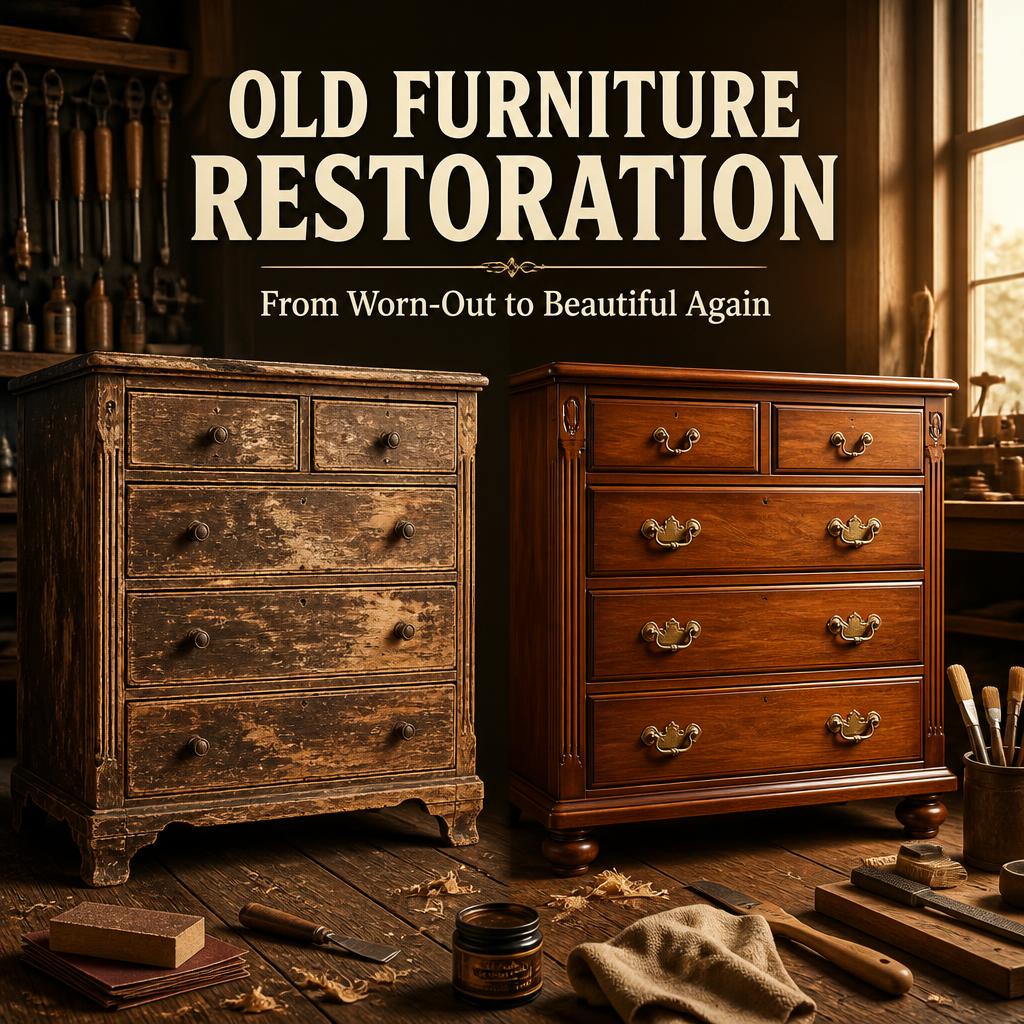
    Old Furniture Restoration: From Worn-Out to Beautiful Again is more than a weekend DIY project—it is a practical way to bring character, craftsmanship, and personality back into furniture that might otherwise be forgotten. An old dresser with faded varnish, a scratched dining table, or a vintage chair sitting quietly in the garage can often become a beautiful centerpiece again with patience and the right restoration approach. – shultzrefinishing.com

    Unlike simply buying something new, furniture restoration gives you the chance to preserve original details while making an item useful for modern living. The process can range from light cleaning and polishing to structural repairs, refinishing, and replacing damaged upholstery.

    Why Old Furniture Is Often Worth Restoring

    Older furniture can hide surprising quality beneath years of dust, scratches, and worn finishes. Many vintage pieces feature solid timber, traditional joints, hand-carved details, or construction methods that remain durable decades later.

    Restoration also makes sense when a piece carries sentimental value. Perhaps it belonged to a grandparent, came from a childhood home, or was discovered at a local flea market. Instead of judging furniture by its current appearance, look at its structure, material, and potential.

    Restoration vs. Refinishing: What Is the Difference?

    Although people often use these terms interchangeably, they describe slightly different processes.

    Furniture restoration aims to return a piece to a functional and attractive condition while preserving as much original material as possible. Refinishing usually focuses more specifically on removing or repairing an existing surface coating and applying a new one.

    A full restoration project might include cleaning, tightening joints, filling cracks, repairing veneer, replacing hardware, and refinishing the surface.

    Start by Inspecting the Furniture Carefully

    Before reaching for sandpaper, examine the entire piece. Check the legs, drawers, hinges, joints, panels, and decorative sections.

    Ask a few practical questions: What is damaged? Where are the weakest areas? How serious is the damage? Why did it occur? When does a component need replacement rather than repair? Who should handle the work if the piece appears historically valuable?

    Look for signs such as loose joints, deep cracks, water stains, missing veneer, rusted hardware, or evidence of wood-boring insects. A careful inspection prevents you from accidentally turning a simple cosmetic project into a bigger repair job.

    Identify the Wood and Existing Finish

    Knowing the material helps you choose suitable restoration methods. Common furniture woods include oak, walnut, mahogany, pine, maple, and teak.

    The existing finish matters as well. Older furniture may contain shellac, lacquer, wax, oil, or varnish. In technical terms, these coatings create a protective film-forming or penetrating layer that influences how moisture, dirt, and cleaning products interact with the wood.

    Be Careful With Valuable Antique Pieces

    Not every old piece should receive aggressive sanding or a completely new finish. Original surfaces, hardware, labels, joinery, and patina can contribute to an antique’s historical and monetary value.

    If you suspect a piece is rare or collectible, consider consulting a professional furniture conservator before changing it significantly.

    Cleaning Comes Before Sanding

    One of the easiest mistakes is immediately sanding dirty furniture. Years of grease, dust, wax, and household residue can clog abrasive paper and spread contaminants across the surface.

    Start with gentle dust removal using a soft cloth or brush. For suitable surfaces, carefully clean accumulated grime with a mild cleaning solution appropriate for the existing finish. Avoid soaking the timber because excessive moisture may cause swelling, staining, or veneer separation.

    Let the furniture dry thoroughly before continuing.

    Remove Hardware Without Losing Original Character

    Handles, knobs, hinges, locks, and decorative fittings should usually be removed before major surface work begins.

    Place screws and small components in labeled containers so nothing disappears halfway through the project. If the hardware is original, cleaning it may produce a better result than replacing it with something modern.

    Brass and metal fittings can develop natural oxidation over time. Depending on the desired appearance, you may preserve some aged character rather than polishing every component until it looks brand new.

    Repair Structural Problems First

    Beautiful paint or stain cannot compensate for unstable construction. If a chair rocks, a table leg moves, or a drawer frame separates, handle those issues before concentrating on appearance.

    Loose traditional joints may require careful disassembly, cleaning, and regluing. Wood glue works effectively when surfaces fit correctly, but simply pouring adhesive into a damaged joint rarely provides a professional result.

    Clamps help maintain pressure while adhesive cures. However, excessive force can distort delicate parts, so apply pressure gradually.

    Dealing With Cracks, Chips, and Small Holes

    Minor surface defects can often be repaired with compatible wood filler or carefully fitted wood patches.

    After the repair cures, gently level the area so it blends with the surrounding surface. For visible natural-wood furniture, matching grain and tone becomes especially important because poorly matched filler can stand out after staining.

    Large cracks may indicate structural movement rather than simple cosmetic damage. Determine the cause before hiding the symptom.

    Sand With Patience, Not Aggression

    Sanding is where many DIY restorations either improve dramatically or go wrong.

    Begin with an abrasive grit appropriate for the condition of the surface, then gradually move toward finer grits. Sanding progressively helps reduce visible scratches from earlier stages.

    Whenever possible, work with the direction of the wood grain. Heavy sanding across the grain can create marks that become surprisingly obvious after applying stain.

    Why Over-Sanding Can Ruin a Good Piece

    More sanding does not automatically mean a smoother or better restoration. Thin veneer can be damaged quickly, particularly around corners and edges.

    This is especially important with veneer, a thin layer of decorative wood attached to another substrate. Once sanded through, repairing the visual damage can become far more complicated than dealing with the original worn finish.

    Choose a Finish That Matches the Furniture

    After repairs and surface preparation, decide how you want the finished piece to look.

    Wood stain can enhance natural grain while adjusting tone. Oils often create a warm appearance and penetrate into the surface, while varnish and lacquer can provide stronger protective coatings. Wax may add a soft sheen and pleasant tactile finish but generally offers different protection compared with harder coatings.

    The best option depends on how the furniture will be used.

    Think About Daily Use Before Choosing a Finish

    A decorative side table does not face the same wear as a family dining table.

    Frequently used surfaces may need greater resistance to moisture, heat, abrasion, and spills. Meanwhile, a display cabinet or decorative console may allow you to prioritize appearance and historical character.

    Consider the furniture’s future location as well. Direct sunlight, humidity changes, and nearby heat sources can affect wood over time.

    Should You Paint Old Furniture?

    Painting can completely transform worn furniture, particularly when the original surface has extensive cosmetic damage or lacks collectible significance.

    However, painting should be a considered choice rather than an automatic solution. Attractive natural grain, distinctive veneer, or historically interesting surfaces may deserve preservation.

    If paint fits the piece, proper preparation remains essential. Cleaning, repairing, light sanding, and applying a compatible primer can create a much cleaner and longer-lasting finish.

    Color Can Give Forgotten Furniture a New Personality

    A dated cabinet can feel surprisingly modern after receiving a thoughtful color update. Neutral shades create versatility, while deeper tones can turn ordinary furniture into a statement piece.

    You can also combine finishes. For example, restoring a natural timber top while painting the base creates contrast without hiding every original feature.

    The goal is not necessarily to make furniture look factory-new. A few carefully preserved signs of age can make the final result feel more authentic.

    Restoring Upholstered Chairs and Benches

    Wood is only part of the restoration story. Old chairs, stools, benches, and armchairs may also need upholstery work.

    Begin by checking the frame before replacing fabric. Springs, webbing, foam, and padding can deteriorate with age, so new fabric alone may not solve comfort problems.

    When removing old upholstery, take photographs of each layer. Those images become useful references when rebuilding the seat.

    Select Fabric for Beauty and Durability

    A fabric may look fantastic but perform poorly under everyday use. Consider abrasion resistance, texture, cleaning requirements, and how frequently people will use the furniture.

    For heavily used seating, durable upholstery fabric generally makes more sense than delicate decorative material. Matching fabric style with the furniture’s period can also create a more cohesive result.

    Small Details Make Restoration Look Professional

    The difference between an average makeover and a polished restoration often comes down to finishing details.

    Check whether drawers slide smoothly. Align doors properly. Tighten hardware carefully. Remove sanding dust before applying finishes. Inspect corners for dried glue or uneven coating.

    Allow sufficient curing time between stages. A finish that feels dry to the touch may not yet have reached its full hardness.

    Rushing during the final stages can undo hours of careful preparation.

    Common Furniture Restoration Mistakes to Avoid

    Beginners often focus heavily on appearance while overlooking the process underneath it. Fortunately, most common mistakes are preventable.

    Avoid sanding before identifying the material, applying new finishes over contaminated surfaces, using excessive water during cleaning, or replacing original hardware unnecessarily. Another common problem is applying thick coats because they appear faster. Several controlled coats generally create a cleaner finish than one heavy application.

    Most importantly, do not rush simply because online makeover videos make restoration appear instant.

    How Restoration Supports More Sustainable Interiors

    Restoring existing furniture can also reduce unnecessary consumption. Instead of immediately replacing a worn table or cabinet, restoration extends the item’s usable life.

    This approach fits naturally with ideas such as circular design, where products and materials remain useful for longer rather than moving quickly from purchase to disposal.

    You also gain something difficult to find in mass-produced furniture: individuality. Natural imperfections, aged timber, repaired joints, and subtle signs of previous use give each restored piece its own story.

    Giving Old Furniture a Second Life

    Successful restoration does not require making every scratch disappear. It requires understanding what should be repaired, what should be preserved, and what can become part of the furniture’s renewed character.

    Work gradually, inspect the piece before making permanent changes, choose materials carefully, and give adhesives and finishes enough time to cure. Whether you are refreshing a flea-market cabinet, reviving an inherited dining table, or repairing a vintage chair, thoughtful restoration can turn neglected furniture into something worth displaying again.

    In the end, Old Furniture Restoration: From Worn-Out to Beautiful Again is about seeing potential where others might only see age and damage. With careful cleaning, smart repairs, patient finishing, and respect for original craftsmanship, yesterday’s worn-out furniture can become one of the most beautiful and meaningful pieces in your home.

  • The Art of Refinishing: Bringing New Life to Old Surfaces

    The Art of Refinishing: Bringing New Life to Old Surfaces

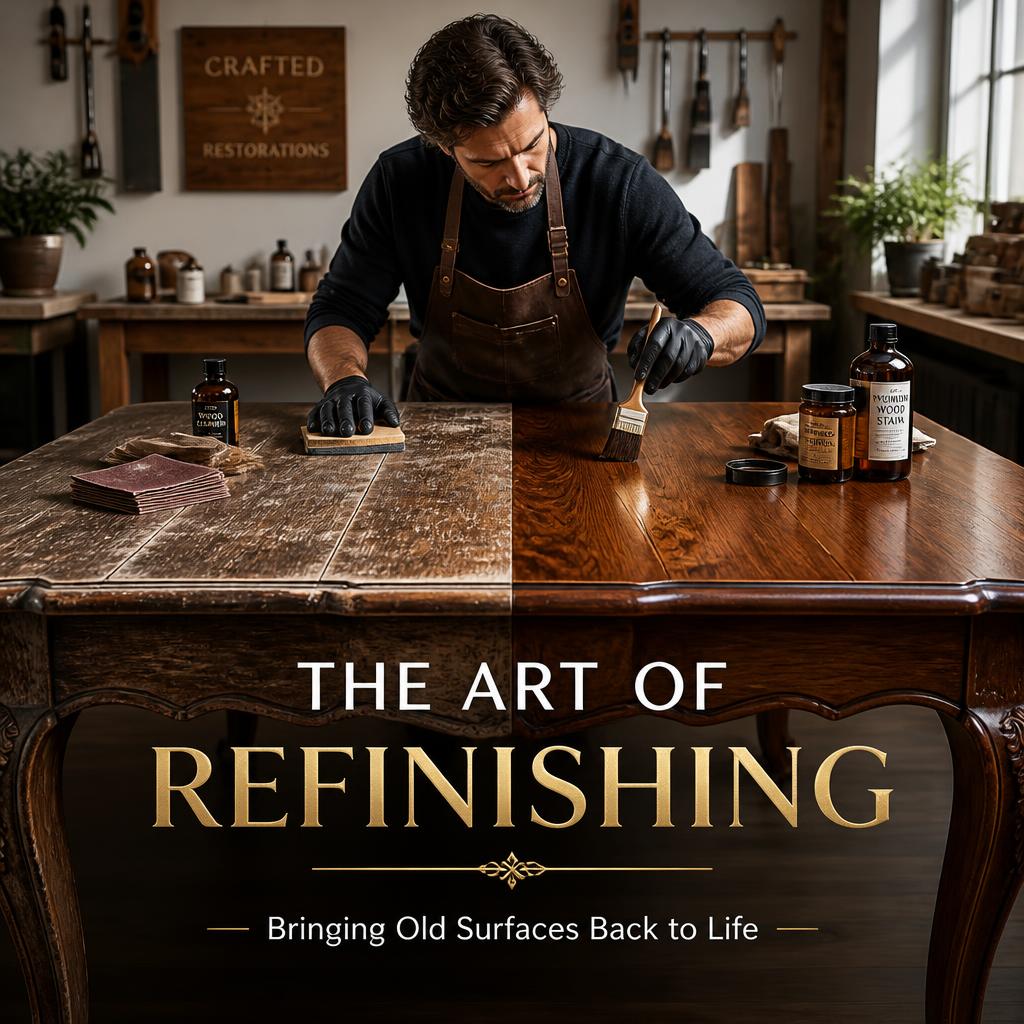
    The Art of Refinishing is the skill of restoring worn, scratched, faded, or outdated surfaces so they can look beautiful and useful again. Instead of replacing a solid table, old cabinet, hardwood floor, or vintage chair, refinishing gives existing materials a fresh start. It combines careful preparation, craftsmanship, creativity, and patience to preserve character while improving appearance and durability. – shultzrefinishing.com

    What Does Refinishing Really Mean?

    Refinishing involves improving or removing an existing surface coating before applying a new decorative or protective finish. Depending on the project, the process may include cleaning, stripping, sanding, repairing, staining, painting, polishing, and sealing.

    The goal is not necessarily to make an old item look completely new. In many cases, preserving subtle signs of age adds personality and authenticity.

    Why Old Surfaces Are Worth Saving

    A scratched or faded surface can hide surprisingly beautiful material underneath. An old wooden table may reveal attractive grain after sanding, while a dated cabinet might feature excellent craftsmanship beneath layers of paint.

    That hidden potential is one reason refinishing feels so rewarding. A tired appearance does not always mean poor quality.

    Why Refinishing Is More Than a Makeover

    Refinishing improves appearance, but its benefits go much further. Protective coatings naturally wear down through sunlight, moisture, heat, spills, and daily use. Once that protection weakens, the material underneath becomes more vulnerable.

    A properly restored finish can extend the useful life of furniture, flooring, doors, and other surfaces. It can also reduce unnecessary replacement costs.

    A More Sustainable Approach to Design

    Refinishing supports a practical form of sustainability: using good materials for longer.

    Rather than discarding furniture simply because its color feels outdated, owners can transform it. A sturdy dining table, for example, may suit several generations of interior styles with thoughtful restoration.

    Where Can Refinishing Be Used?

    Refinishing works across many residential and commercial settings. Common projects include tables, chairs, cabinets, desks, doors, staircases, hardwood floors, shelves, and architectural woodwork.

    However, every surface requires a slightly different approach. Solid wood, veneer, laminate, and metal cannot always be treated with the same products or techniques.

    Furniture Refinishing and Material Identification

    Before beginning any furniture project, identify what the piece is made from.

    Solid wood generally allows more flexibility during sanding and repair. Veneer, by contrast, consists of a thin layer of natural wood attached to another material. Aggressive sanding can quickly damage that decorative layer.

    Why Gentle Techniques Matter

    Detailed furniture, carved sections, and thin surfaces require control. Hand sanding may take longer than using power equipment, but it provides greater precision around edges and delicate areas.

    Sometimes, working slowly produces the fastest route to a professional-looking result.

    Preparation Is the Foundation of Great Refinishing

    Beautiful results begin long before the final coat goes on.

    Start by inspecting the entire surface for scratches, loose joints, cracks, stains, peeling coatings, water damage, or previous repairs. Cleaning is equally important because grease, wax, and dirt can interfere with sanding and adhesion.

    Skipping preparation often creates problems that become much more noticeable after the new finish dries.

    Stripping Versus Sanding

    Choosing between stripping and sanding depends on the existing coating and material.

    Sanding works well for smoothing imperfections and preparing surfaces. However, removing several thick layers through sanding alone can take considerable time and may damage delicate details.

    A suitable chemical stripper can soften certain coatings before removal. For many projects, careful stripping followed by controlled sanding offers an effective combination.

    How Proper Sanding Improves the Final Result

    Good sanding is about progression rather than force.

    Coarser abrasives remove imperfections, while finer grits gradually create a smoother surface. Skipping too many grit levels may leave scratches that become obvious after stain or clear coating is applied.

    Whenever possible, sand wood with the grain and use lighter pressure near corners.

    Protecting Edges and Fine Details

    Edges can lose their original shape surprisingly quickly under aggressive sanding. Power sanders are useful across broad, flat areas but require careful control.

    Small Details Create Professional Results

    Use hand sanding around corners, carvings, and decorative profiles. Check your progress frequently instead of waiting until the entire surface has been sanded.

    These small habits help preserve the craftsmanship that makes older pieces special.

    Choosing Paint, Stain, or a Natural Finish

    Once preparation is complete, the creative stage begins.

    Paint can completely transform outdated furniture and introduce a fresh color. Stain changes the tone while allowing natural wood grain to remain visible. Clear finishes emphasize the material itself while adding protection.

    The best option depends on the object’s style, material, location, and expected use.

    Always Test Before Applying

    Wood species react differently to stain and finishing products. A shade that looks warm brown on a sample may appear darker, lighter, or redder on the actual surface.

    Testing on a hidden section can prevent an expensive mistake.

    Applying the New Finish Correctly

    Thin, controlled applications usually produce better results than one heavy coat. Thick layers can create drips, uneven textures, cloudy areas, or slow curing.

    Follow the product’s instructions for application, ventilation, drying, and recoating.

    Drying and Curing Are Not the Same

    A surface may feel dry while the coating underneath remains soft.

    Drying generally means the surface is no longer wet. Curing is the longer process during which the finish reaches its intended hardness.

    Using furniture or floors too soon can leave dents, marks, or scratches.

    Common Refinishing Mistakes to Avoid

    Many refinishing problems come from rushing. Common mistakes include poor cleaning, excessive sanding, applying overly thick coats, ignoring drying times, and choosing incompatible products.

    Another frequent mistake is trying to make every old item look completely new. Sometimes, preserving minor imperfections gives a piece more character.

    Good refinishing improves a surface without automatically erasing its story.

    When Should You Hire a Professional?

    Simple tables, chairs, shelves, and solid-wood furniture can make excellent DIY projects. However, valuable antiques, delicate veneer, historic woodwork, and severely damaged pieces may require professional expertise.

    A specialist can identify materials, select suitable products, repair structural problems, and preserve historically important details.

    Keeping Refinished Surfaces Beautiful

    Proper maintenance helps a restored surface last longer. Clean it with suitable products, wipe spills quickly, avoid unnecessary moisture, and protect high-use areas from excessive heat or abrasion.

    Minor wear should also be addressed early. Small maintenance efforts are much easier than another complete restoration.

    Rediscovering Value Through The Art of Refinishing

    Refinishing changes the way we look at worn objects. Instead of seeing scratches, faded colors, and outdated finishes as reasons to replace something, we can recognize the quality and potential underneath. With careful preparation, appropriate techniques, and a little creativity, furniture and architectural surfaces can serve beautifully for many more years. Ultimately, The Art of Refinishing is about preserving what is worth keeping while giving familiar materials a fresh appearance, renewed protection, and another meaningful chapter.

  • Amazing Furniture Before After Projects Full of Inspiration

    Amazing Furniture Before After Projects Full of Inspiration

    Amazing Furniture Before After Projects Full of Inspiration is a fascinating topic for anyone who loves creative interiors, smart renovations, and unique design transformations. Old furniture often carries memories, character, and hidden potential that can be brought back to life with the right approach. Instead of throwing away outdated pieces, many homeowners, designers, and DIY enthusiasts are discovering how simple changes can create stunning furniture makeovers that completely transform a room. – shultzrefinishing.com

    Furniture transformation projects are becoming increasingly popular because they combine creativity, sustainability, and personal expression. From vintage cabinets becoming modern storage solutions to worn-out chairs receiving stylish new identities, these projects show that furniture can evolve with changing lifestyles. Let’s explore how these inspiring before-and-after ideas work and why they continue to attract attention from interior lovers around the world.

    Understanding the Beauty Behind Furniture Transformation Projects

    Furniture before and after projects focus on improving the appearance, function, and value of existing pieces. The concept is simple: take something old, damaged, or outdated and redesign it into something fresh and useful.

    Many transformations happen through techniques such as repainting, refinishing, restructuring, replacing hardware, or adding modern decorative elements. The process is not only about making furniture look attractive but also about preserving its original personality.

    A forgotten wooden table, for example, may only need a new finish and updated legs to become a centerpiece in a contemporary dining area. This approach reflects the idea of adaptive reuse, a design philosophy that gives old objects a second purpose instead of replacing them.

    Why Before After Furniture Makeovers Are So Inspiring

    The popularity of furniture makeovers comes from several important reasons. First, they allow people to create personalized interiors without spending excessive amounts of money. Buying brand-new furniture can be expensive, while renovating existing pieces often provides a more affordable solution.

    Second, these projects support environmental awareness. Furniture restoration reduces waste and encourages a more sustainable lifestyle. In modern interior design, the concept of circular economy is becoming more important because it focuses on reusing resources efficiently.

    Finally, before-and-after transformations create emotional value. A restored piece may remind someone of family history, childhood memories, or meaningful moments. The furniture becomes more than an object; it becomes part of the story of a home.

    Creative Ideas for Amazing Furniture Before After Projects

    Turning Old Cabinets Into Modern Storage Solutions

    One of the most impressive furniture transformations involves outdated cabinets. Old cabinets often have strong structures but lack modern appeal.

    A simple makeover can include sanding the surface, applying a new color, changing handles, and improving the interior organization. A dark wooden cabinet can become a minimalist white storage unit, while an unused bookshelf can transform into a stylish coffee station.

    These projects prove that small improvements can create a completely different visual impact.

    Restoring Vintage Chairs With Contemporary Styles

    Chairs are another popular choice for renovation projects. Many vintage chairs have excellent craftsmanship but suffer from faded fabric or outdated colors.

    Replacing the upholstery with modern materials can instantly refresh the design. Designers often combine classic shapes with modern textures to create a balanced appearance.

    This method follows the principle of design contrast, where different styles are combined to create a unique aesthetic.

    Transforming Old Tables Into Statement Furniture

    Tables usually receive heavy daily use, which makes them perfect candidates for restoration. Scratches, stains, and aging surfaces can often be repaired through refinishing techniques.

    A wooden table can be transformed using natural oils, colorful paints, or even creative patterns. Some designers add glass surfaces, metal accents, or custom designs to make the piece stand out.

    These changes can turn an ordinary table into a conversation piece inside a home.

    Step-by-Step Process Behind Successful Furniture Makeovers

    Evaluating the Condition and Potential

    Before starting any project, it is important to examine the furniture carefully. Check the material quality, structural stability, and possible repair requirements.

    Solid wood furniture usually offers more opportunities for transformation compared to pieces made from lower-quality materials. Understanding the condition helps determine whether restoration is practical.

    Choosing the Right Design Direction

    The next step is deciding the final style. Some people prefer modern minimalism, while others enjoy rustic, industrial, or vintage aesthetics.

    Creating a clear concept prevents unnecessary changes during the process. Color selection, materials, and decorative elements should work together harmoniously.

    Applying Restoration Techniques Carefully

    The actual transformation requires patience and attention. Cleaning, sanding, repairing, painting, and finishing should be completed step by step.

    Many successful creators use techniques such as surface preparation, color layering, and protective coating to achieve professional-looking results.

    A carefully planned approach is what separates an average makeover from an amazing transformation.

    How Furniture Before After Projects Improve Home Design

    Furniture transformations can dramatically influence the atmosphere of a space. A single renovated piece can become the focal point of a room and change how people experience the environment.

    For example, a restored wooden dresser can add warmth to a modern bedroom. A redesigned coffee table can create a more inviting living room. These improvements demonstrate how furniture affects both visual appearance and emotional comfort.

    For those looking for creative examples and practical ideas, exploring furniture makeover ideas can provide inspiration for selecting styles, materials, and techniques that match different home concepts.

    Popular Trends in Modern Furniture Restoration

    Minimalist and Scandinavian Inspired Designs

    Minimalist furniture transformations emphasize clean lines, neutral colors, and functional simplicity. Scandinavian-inspired designs often use natural wood, soft tones, and practical structures.

    This style works well for people who want a calm and organized living environment.

    Bold Colors and Artistic Furniture Concepts

    Some creators prefer dramatic transformations using bright colors, artistic patterns, or unique textures.

    These projects turn ordinary furniture into expressive artwork. A colorful cabinet or painted chair can bring personality into an otherwise simple room.

    Smart and Functional Furniture Upgrades

    Modern restoration is not only about appearance. Many projects also improve functionality.

    Examples include adding hidden storage, upgrading lighting features, or modifying furniture layouts. These changes make older furniture suitable for modern lifestyles.

    Common Mistakes to Avoid During Furniture Transformation

    Although furniture makeovers can be exciting, several mistakes may reduce the final quality. One common issue is skipping preparation. Applying paint without proper cleaning and sanding can lead to poor results.

    Another mistake is choosing materials that do not match the furniture type. Different surfaces require different treatments to achieve durability.

    Additionally, rushing the process can affect the final appearance. Great transformations usually require careful planning and patience.

    The Future of Furniture Before After Inspiration

    As sustainability becomes a bigger part of modern living, furniture transformation projects will continue to grow. People are becoming more interested in meaningful designs rather than simply buying new products.

    Future furniture trends will likely combine technology, creativity, and environmental responsibility. Digital design tools, advanced materials, and innovative restoration methods may make transformations even more accessible.

    Final Thoughts on Amazing Furniture Before After Projects Full of Inspiration

    Amazing Furniture Before After Projects Full of Inspiration shows how creativity can completely change the way we see old furniture. A forgotten item can become a beautiful centerpiece through thoughtful design, skilled restoration, and personal imagination. These projects represent more than simple decoration because they combine sustainability, emotional value, and artistic expression. By exploring new ideas and embracing transformation, anyone can discover the incredible possibilities hidden inside existing furniture.

  • Why Furniture Refinishing Services Turn Grandma Chairs Into Stars

    Why Furniture Refinishing Services Turn Grandma Chairs Into Stars

    Why Furniture Refinishing Services Turn Grandma Chairs Into Stars is more than just a funny idea—it shows how old, scratched, and forgotten furniture can completely transform into eye-catching pieces again. In many homes, people now rescue vintage chairs, tables, and cabinets because they want style, memory, and sustainability all in one. Moreover, this process brings personality back into spaces that feel too “new and empty.”


    What Furniture Refinishing Really Means in Simple Terms

    Furniture refinishing means restoring wooden or upholstered furniture by removing old layers and applying fresh finishes. In other words, craftsmen take worn-out items and rebuild their visual appeal step by step.

    Additionally, they repair structural damage so the furniture not only looks good but also works properly again. Therefore, refinishing becomes both an aesthetic and functional upgrade.


    Why Homeowners Choose Refinishing Instead of Buying New

    People choose restoration for many reasons, and each reason connects to real-life needs.

    Emotional Value Still Matters

    Many families keep furniture for decades. Consequently, they prefer restoring it instead of replacing it because memories stay attached to each piece.

    Budget-Friendly Decision

    New furniture costs more, especially premium wood pieces. Meanwhile, refinishing often delivers similar visual results at a lower price.

    Eco-Friendly Lifestyle Choice

    In addition, refinishing reduces waste. As a result, fewer items end up in landfills, and sustainability improves naturally.


    Step-by-Step Process of Refinishing Furniture

    Professionals follow a clear workflow to ensure strong and beautiful results.

    Step 1 – Deep Inspection

    Technicians first examine cracks, dents, and surface wear. Then, they decide what restoration method fits best.

    Step 2 – Removing Old Layers

    Next, they strip old paint or varnish using sanding tools or safe chemical solutions.

    Step 3 – Repairing Structural Damage

    After that, they fix broken joints and fill gaps to restore stability.

    Step 4 – Surface Refinement

    They sand the surface carefully so it becomes smooth and ready for finishing.

    Step 5 – Final Coating Application

    Finally, they apply protective layers such as oil, lacquer, or varnish to seal and beautify the furniture.


    Popular Styles Used in Modern Refinishing

    Different styles create different moods inside a home.

    Natural Wood Revival

    This style highlights grain patterns and keeps the wood look authentic.

    Bold Color Transformation

    On the other hand, some homeowners prefer repainting furniture with modern colors.

    Antique Restoration Finish

    Moreover, antique lovers keep original details while improving durability.

    Minimalist Matte Look

    Meanwhile, modern interiors often choose soft matte finishes for a clean aesthetic.


    Tools That Make Refinishing Possible

    Craftsmen use both traditional and modern tools to achieve precision.

    • Sanding machines for surface leveling
    • Wood fillers for cracks and holes
    • Staining liquids for color enhancement
    • Protective sealants for durability
    • Brushes and spray systems for finishing

    Because each tool serves a purpose, the final result becomes more consistent and professional.


    Real Impact of Professional Refinishing Work

    Professionals deliver better results because they understand materials deeply. In fact, they adjust techniques based on wood type, age, and condition.

    They also prevent common damage that often happens in DIY attempts. Therefore, the furniture not only looks new but also lasts longer.


    Understanding Cost Factors Before Starting a Project

    Several factors influence the final price:

    Furniture Size

    Larger pieces require more time and materials.

    Level of Damage

    Heavily damaged items need deeper restoration work.

    Design Complexity

    Intricate designs require more detailed craftsmanship.


    Where Mistakes Often Happen in DIY Refinishing

    Many beginners rush the process, and that creates problems.

    • They skip proper sanding
    • They apply uneven coatings
    • They ignore drying time
    • They use wrong chemical products

    As a result, the furniture often loses its natural beauty instead of gaining it.


    How Refinishing Connects to Modern Interior Design

    Modern designers increasingly combine old furniture with new styles. Consequently, homes feel more personalized and unique.

    For instance, a vintage table can sit perfectly inside a minimalist room. Meanwhile, a restored cabinet can become a statement piece in a modern kitchen.


    The Growing Demand for Professional Restoration

    Today, more people search for sustainable home solutions. Therefore, restoration services continue to grow in popularity worldwide.

    In fact, many homeowners now see old furniture as an opportunity instead of waste. This shift changes how people value design and consumption.


    When You Should Consider Refinishing Your Furniture

    You should consider restoration when:

    • The structure remains solid but the surface looks worn
    • The furniture has sentimental value
    • You want a style update without full replacement

    In addition, if repair costs stay lower than buying new items, refinishing becomes the smarter option.


    The Role of Experts in Modern Restoration Work

    Experts guide the entire transformation process. They choose materials carefully, apply techniques precisely, and ensure durability.

    Moreover, they balance creativity with technical knowledge so each piece looks both stylish and functional.


    Old furniture does not need to disappear into storage or waste. Instead, it can transform into something fresh, functional, and stylish through careful restoration. As more people embrace sustainable living, interest in Why Furniture Refinishing Services Turn Grandma Chairs Into Stars continues to grow because it blends creativity, memory, and practicality in one powerful process.

  • Furniture Restoration Tricks That Make Old Tables Look Luxury

    Furniture Restoration Tricks That Make Old Tables Look Luxury

    Why Old Tables Deserve a Second Life

    shultzrefinishing – Old tables often carry strong materials and craftsmanship that modern mass-produced furniture lacks. Instead of discarding them, restoration allows you to turn forgotten pieces into luxury-style furniture that enhances any interior. In many homes in Paris, aged wooden tables are being revived as sustainable design statements that combine history and modern elegance.


    Assessing Wood Condition Before Restoration

    Before any work begins, you must understand what you’re dealing with.

    Structural Inspection Basics

    Check for cracks, warping, and loose joints. Solid hardwood like oak or teak responds best to restoration.

    Surface vs Deep Damage

    Surface scratches are easy fixes, but deep rot or insect damage may require replacement parts or reinforcement.


    Deep Cleaning Techniques That Reveal Hidden Beauty

    Dirt and old polish often hide the true character of wood.

    Gentle Cleaning Method

    Use warm water mixed with mild soap and a microfiber cloth. Avoid soaking the wood.

    Removing Old Wax Layers

    Mineral spirits can help dissolve old wax buildup, revealing the natural grain underneath.


    Sanding Methods for a Luxury Finish

    Sanding is where transformation begins.

    Step-by-Step Sanding Process

    Start with 120-grit sandpaper, move to 220-grit, and finish with 320-grit for a smooth surface.

    Key Detail Work

    Edges and corners should be sanded lightly to maintain original table character while improving refinement.


    Staining vs Painting for Premium Look

    Choosing the right finish defines the final aesthetic.

    Natural Wood Stain

    Staining enhances grain patterns and is ideal for a high-end organic look.

    Modern Painted Finish

    Matte black, white, or deep navy can create a contemporary luxury feel, especially for minimalist interiors.


    Hardware Upgrades That Elevate Style

    Small details create a big visual impact.

    Replacing Table Legs and Handles

    Switching to brass, gold, or matte black hardware instantly modernizes the piece.

    Designer Touches

    Slim metal legs or carved wooden replacements can completely redefine table identity.


    Protective Finishes That Add Shine and Durability

    A luxury table must also last.

    Polyurethane Coating

    This adds durability and a subtle gloss finish that protects against scratches and moisture.

    Natural Oil Finish

    Tung oil or linseed oil enhances warmth and gives a soft, elegant glow.


    Design Tricks Used by Professionals

    Interior designers use subtle techniques to make restored tables look expensive.

    Contrast Styling

    Pairing dark tabletops with light legs creates visual depth.

    Texture Layering

    Combining smooth polish with raw wood edges adds artistic contrast often seen in boutique furniture stores.


    Common Mistakes to Avoid During Restoration

    Many beginners ruin furniture by rushing.

    Over-Sanding Risk

    Too much sanding removes character and reduces value.

    Wrong Product Usage

    Harsh chemicals can damage wood fibers permanently, reducing structural strength.


    FAQ – Furniture Restoration Insights

    What type of wood is easiest to restore?

    Hardwoods like oak, walnut, and teak are the most forgiving and deliver the best luxury results.

    Can I restore furniture without professional tools?

    Yes, basic tools like sandpaper, brushes, and wood stain are enough for small to medium projects.

    How long does table restoration take?

    Depending on condition, it usually takes 1–3 days, including drying time for finishes.

    Is painting better than staining for luxury look?

    Staining is preferred for natural luxury, while painting works best for modern or artistic interiors.


    Transforming old furniture into elegant pieces is not just a design trend but a sustainable lifestyle choice. With the right techniques—cleaning, sanding, finishing, and styling—you can achieve remarkable results that rival store-bought luxury furniture. The process behind Furniture Restoration Tricks That Make Old Tables Look Luxury shows that value is often hidden beneath timeworn surfaces, waiting to be revealed through careful craftsmanship and creative vision.