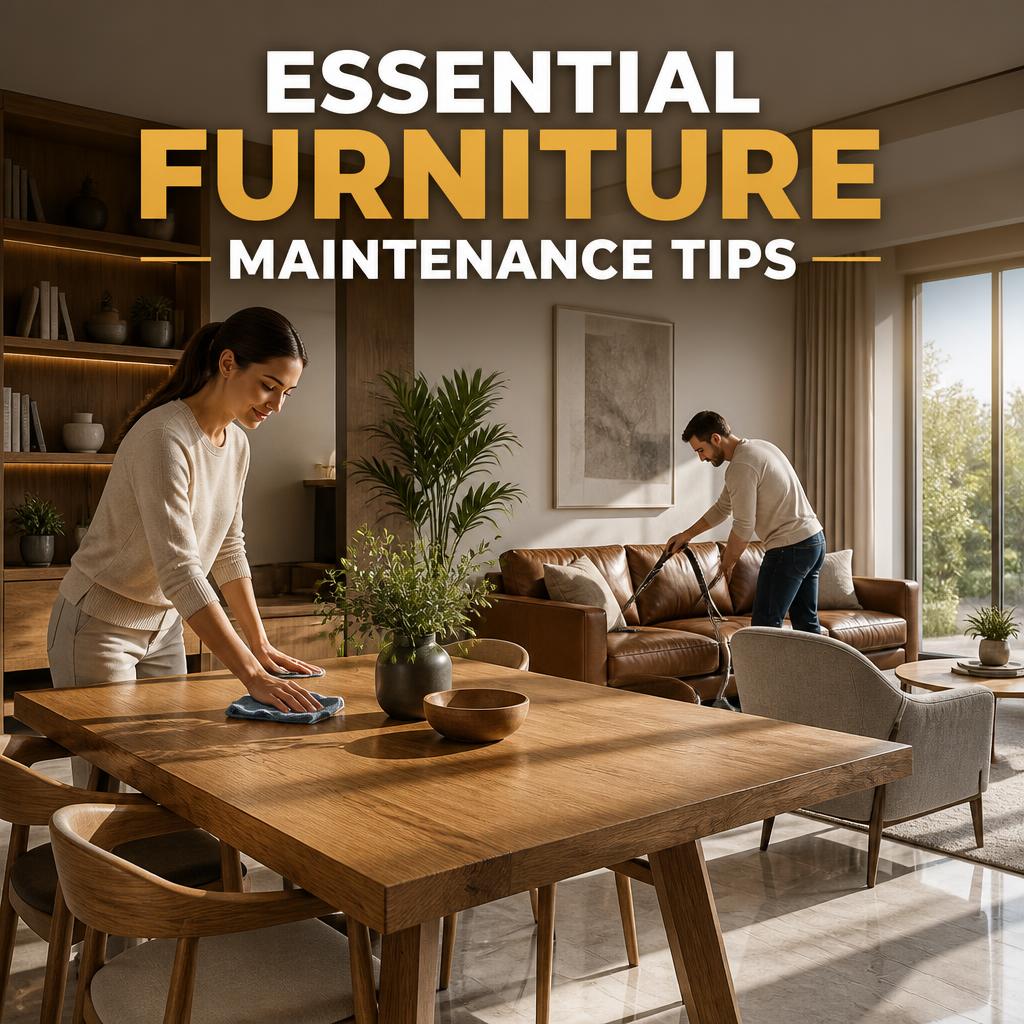
shultzrefinishing.com – Essential Furniture Maintenance Tips For Long Lasting Performance is the key to preserving the beauty, comfort, and value of every piece of furniture in your home. Whether you own elegant wooden tables, luxurious leather sofas, modern metal shelves, or fabric-upholstered chairs, proper care helps extend their lifespan while keeping them looking fresh for years. Many homeowners spend significant amounts on quality furniture but overlook the simple maintenance habits that prevent premature wear and costly repairs. The good news is that maintaining furniture doesn’t require complicated techniques—just consistency and the right approach.
Why Furniture Maintenance Matters More Than You Think
Furniture is more than decoration. It supports your daily activities, enhances your home’s appearance, and contributes to overall comfort.
Without proper maintenance, exposure to dust, sunlight, moisture, and daily use slowly damages surfaces, weakens structures, and reduces their aesthetic appeal. By adopting a few practical habits, you can significantly increase durability while maintaining the original finish.
Regular maintenance also saves money because replacing furniture is far more expensive than preserving what you already own.
Know Your Furniture Materials Before Cleaning
Every furniture material responds differently to cleaning methods.
Understanding what your furniture is made from helps you avoid accidental damage.
Solid Wood Furniture
Wood requires gentle cleaning with a soft microfiber cloth. Excess water should always be avoided because moisture may cause swelling, cracking, or warping over time.
Occasionally applying quality wood polish keeps the finish smooth while protecting the surface.
Metal Furniture
Metal furniture generally requires less maintenance but can develop rust in humid environments.
Wipe surfaces regularly and inspect joints for early signs of corrosion. Applying protective coatings helps preserve the finish.
Glass Furniture
Glass looks elegant but easily shows fingerprints and dust.
Use a lint-free cloth together with a non-abrasive glass cleaner to maintain crystal-clear surfaces without scratching them.
Protect Furniture From Daily Wear and Tear
Small preventive actions often make the biggest difference.
Instead of waiting until visible damage appears, minimize unnecessary stress on your furniture from the beginning.
Use Protective Accessories
Furniture pads, coasters, placemats, and table runners reduce scratches caused by dishes, electronics, and decorative items.
Chair leg protectors also prevent damage to both furniture and flooring.
Avoid Dragging Furniture
Moving heavy furniture by dragging creates stress on joints while scratching floors.
Whenever possible, lift furniture carefully or use moving sliders designed for heavy loads.
Keep Furniture Away From Direct Sunlight
Natural sunlight brightens a room but prolonged exposure gradually fades colors and weakens many materials.
Wood finishes lose their richness.
Leather dries out.
Fabric becomes discolored.
Plastic may become brittle.
Position furniture away from direct windows whenever possible. If relocation isn’t practical, install curtains, blinds, or UV-resistant window films to reduce harmful exposure.
Maintain the Right Indoor Humidity
Humidity plays an important role in furniture longevity.
Excess moisture encourages mold growth, while extremely dry air causes certain materials to crack.
Experts generally recommend maintaining indoor humidity between 40% and 60% for optimal furniture preservation.
Using humidifiers or dehumidifiers helps stabilize indoor conditions throughout changing seasons.
Clean Upholstered Furniture the Smart Way
Fabric furniture naturally collects dust, allergens, and pet hair.
Ignoring regular cleaning allows dirt to settle deep inside the fibers.
Vacuum Frequently
Use a vacuum cleaner with an upholstery attachment every week to remove dust before it becomes embedded.
Pay close attention to seams, cushions, and hidden corners.
Treat Stains Immediately
Fresh stains are much easier to remove than dried ones.
Instead of rubbing aggressively, gently blot spills using a clean absorbent cloth. Always test cleaning solutions on an inconspicuous area before applying them across larger surfaces.
Leather Furniture Requires Specialized Care
Leather offers timeless elegance but needs consistent conditioning.
Without proper care, natural oils gradually disappear, leading to stiffness and cracking.
Dust Before Conditioning
Remove surface dust using a dry microfiber cloth.
Apply Leather Conditioner
Every six to twelve months, apply a quality leather conditioner to restore flexibility and maintain its luxurious appearance.
Avoid harsh chemical cleaners because they may strip away protective finishes.
Preserve Wooden Furniture Like a Professional
Wood remains one of the most popular furniture materials due to its durability and timeless beauty.
However, maintaining wooden furniture requires attention to several details.
Clean With Minimal Moisture
A slightly damp cloth is sufficient for routine cleaning.
Immediately dry the surface afterward to prevent water absorption.
Polish Periodically
High-quality wood polish enhances natural grain patterns while adding an extra protective barrier against minor scratches.
Prevent Heat Damage
Never place hot cookware directly on wooden surfaces.
Heat-resistant mats help avoid permanent discoloration and surface deformation.
Inspect Furniture Hardware Regularly
Maintenance isn’t only about cleaning.
Structural stability matters just as much.
Loose screws, hinges, bolts, and brackets become more problematic when ignored.
Take a few minutes every few months to inspect furniture connections.
Tightening loose hardware helps prevent wobbling while extending the overall lifespan of desks, cabinets, dining tables, and chairs.
Seasonal Furniture Maintenance Checklist
Developing a maintenance schedule makes long-term care much easier.
Weekly Tasks
- Dust all furniture surfaces.
- Vacuum upholstered furniture.
- Clean glass surfaces.
- Remove fingerprints from metal finishes.
Monthly Tasks
- Inspect furniture joints.
- Check for scratches or moisture damage.
- Rotate cushions to encourage even wear.
- Clean hard-to-reach areas.
Every Six Months
- Polish wooden furniture.
- Condition leather surfaces.
- Tighten screws and bolts.
- Inspect protective pads underneath furniture legs.
Following this routine minimizes gradual deterioration while keeping furniture looking almost new.
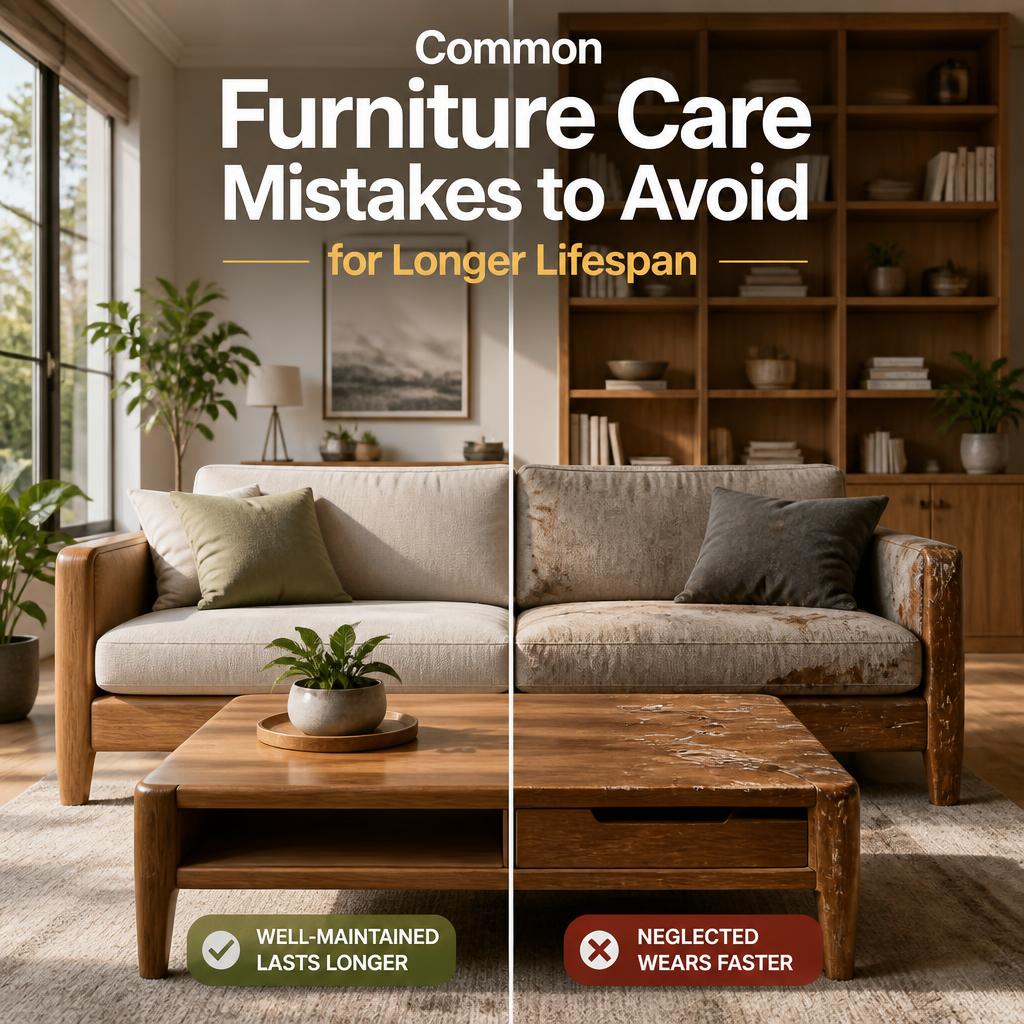
Common Furniture Maintenance Mistakes to Avoid
Many people unintentionally shorten the lifespan of their furniture through simple mistakes.
Using Excessive Water
Too much moisture damages wood and weakens adhesives inside engineered furniture.
Applying Harsh Chemicals
Strong cleaners may remove protective coatings and permanently discolor finishes.
Ignoring Small Damage
Tiny scratches, loose joints, or minor stains become larger problems if left untreated.
Skipping Routine Cleaning
Dust particles behave like fine abrasives. Over time, they slowly wear away delicate finishes.
Preventive maintenance is always easier than major restoration.
Simple Habits That Make Furniture Last Longer
Long-lasting furniture depends more on daily habits than expensive maintenance products.
Rotate cushions regularly to distribute pressure evenly.
Lift objects instead of sliding them across tabletops.
Keep sharp objects away from delicate finishes.
Use protective covers when furniture remains unused for extended periods.
Encourage every family member to treat furniture with care because consistent habits produce lasting results.
Frequently Asked Questions About Furniture Maintenance
How often should furniture be cleaned?
Dusting every week and performing deeper cleaning once each month keeps most furniture in excellent condition.
Can sunlight permanently damage furniture?
Yes. Continuous exposure causes fading, drying, cracking, and weakened structural integrity depending on the material.
Is furniture polish necessary?
Not always. Quality wooden furniture benefits from occasional polishing, but excessive application may create unwanted buildup.
Should leather furniture be conditioned every month?
No. Conditioning every six to twelve months is generally sufficient unless the environment is exceptionally dry.
Proper care doesn’t require expensive equipment or professional services. Instead, consistent cleaning, routine inspections, moisture control, sunlight protection, and material-specific maintenance all work together to preserve your investment. Whether your home features classic wooden furniture, contemporary metal designs, luxurious leather seating, or comfortable upholstered pieces, these practical strategies help maintain both appearance and functionality for many years. By following these Essential Furniture Maintenance Tips For Long Lasting Performance, you’ll enjoy beautiful, durable furniture that continues to enhance your living space long into the future.