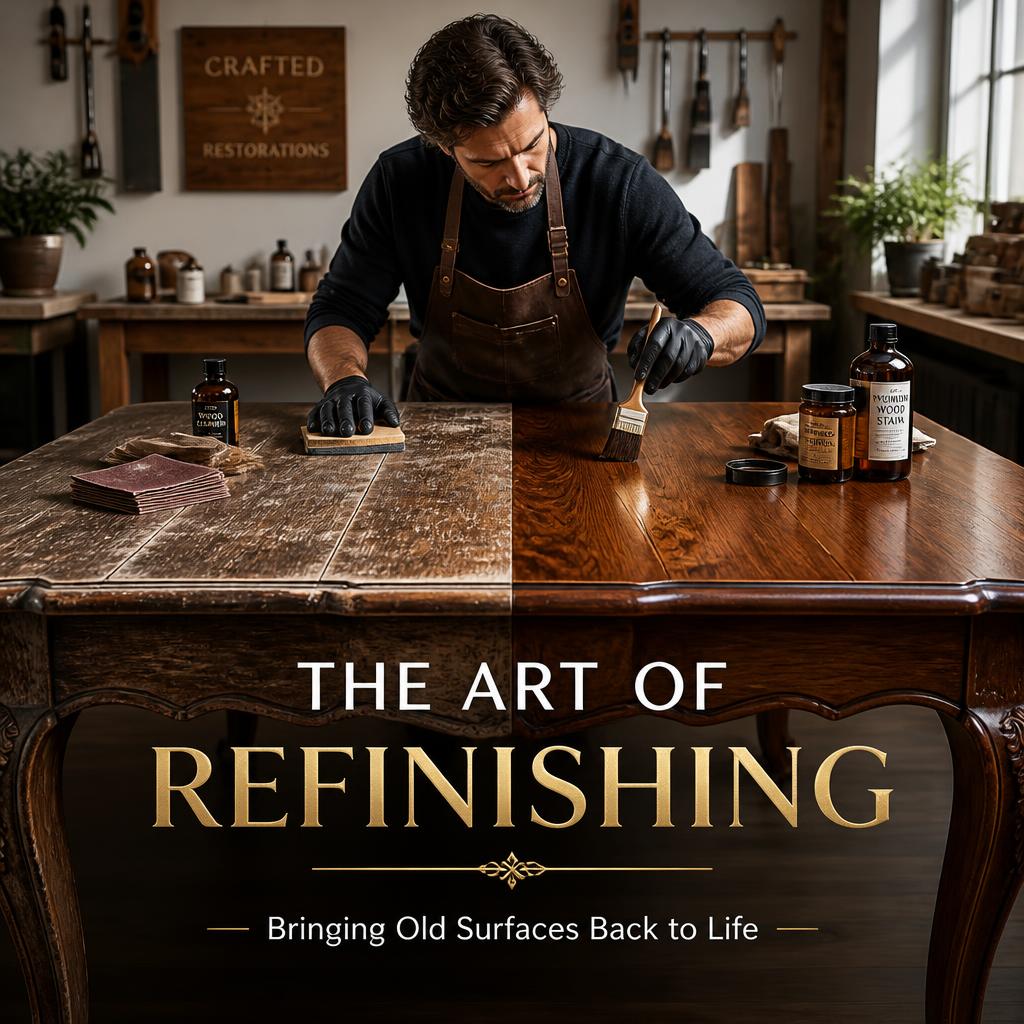
How to Choose the Right Refinishing Services starts with understanding what your surface actually needs, rather than simply hiring the first contractor who promises a fresh finish. Whether you’re restoring hardwood floors, kitchen cabinets, furniture, countertops, bathtubs, or another worn surface, the quality of the service can dramatically affect appearance, durability, and long-term value. A good refinishing job should make an existing surface feel refreshed without forcing you into an unnecessary replacement. – shultzrefinishing.com
The process sounds straightforward, but there are plenty of details hiding beneath the surface. Who should handle the project? What materials should they use? Where should refinishing take place? When is restoration better than replacement? Why do preparation methods matter so much? And how can you tell whether a refinishing company really knows what it’s doing?
Here’s what to look for before making your decision.
What Do Professional Refinishing Services Actually Do?
Refinishing involves restoring the visible and protective surface of an existing material. Depending on the project, professionals may remove old coatings, repair minor damage, smooth imperfections, apply stains or colors, and finish everything with a protective layer.
The exact process varies considerably.
Hardwood floors may require sanding before staining and sealing. Cabinets often need cleaning, degreasing, sanding, priming, and spraying. Furniture can require delicate restoration techniques, while bathtub and countertop refinishing may involve specialized coatings designed for moisture resistance.
The basic idea, however, remains the same: preserve the existing structure while improving its surface.
Refinishing vs. Replacing: Know the Difference
Replacement means removing the existing item and installing something new. Refinishing works with what you already have.
That distinction matters because replacement can involve demolition, disposal, new materials, installation, and sometimes additional construction. Refinishing generally causes less disruption and may extend the useful life of a structurally sound item.
However, restoration isn’t always the right answer. Severe structural damage, extensive rot, major cracking, or unstable materials can make replacement the more sensible choice.
Identify the Surface Before Calling a Contractor
One of the easiest mistakes is assuming that every refinishing specialist works with every material.
They don’t.
A company that produces beautiful hardwood floors isn’t automatically the best choice for an antique table. Likewise, a contractor specializing in bathtub coatings may have little experience restoring natural wood cabinets.
Before requesting estimates, identify the material involved as accurately as possible.
Common Surfaces That Can Be Refinished
Professional services frequently work with:
- Hardwood flooring
- Kitchen and bathroom cabinets
- Wooden furniture
- Bathtubs and tile
- Countertops
- Doors and trim
- Tables and desks
- Decorative woodwork
Material composition matters because different surfaces require different preparation techniques, coatings, equipment, and curing conditions.
Why Material Compatibility Matters
A coating needs proper adhesion to remain attached to the underlying material. Poor compatibility can cause peeling, bubbling, cracking, discoloration, or premature wear.
Professionals should understand characteristics such as porosity, surface hardness, moisture exposure, and substrate compatibility. These terms may sound technical, but they describe practical issues that determine whether the new finish survives everyday use.
Look for Refinishing Experience Relevant to Your Project
Years in business can be useful information, although specific experience matters more.
Imagine you’re refinishing twenty-year-old oak cabinets. A contractor with extensive cabinet restoration experience may be more suitable than a general renovation company that occasionally refinishes wood.
Ask how often the company completes projects similar to yours.
You can also request examples involving comparable materials, colors, conditions, or finishing techniques. Previous work gives you something tangible to evaluate instead of relying solely on promotional claims.
Check Before-and-After Project Photos
A strong portfolio should show more than attractive final photographs.
Look closely at corners, edges, transitions, grain consistency, sheen, and overall uniformity. When possible, examine projects photographed under normal lighting rather than heavily edited promotional images.
Before-and-after comparisons are particularly helpful because they demonstrate the degree of restoration achieved.
Ask How the Surface Will Be Prepared
Preparation is arguably one of the most important parts of professional refinishing.
A beautiful topcoat cannot compensate for a poorly prepared base.
Depending on the surface, preparation could include cleaning, stripping, sanding, filling scratches, repairing chips, removing grease, correcting uneven areas, and applying primer.
Skipping these steps may save time initially, but shortcuts can reduce the lifespan of the finish.
Why Surface Preparation Affects Durability
Think of refinishing like painting a wall covered in dust. Even premium paint won’t perform properly if it cannot bond with the surface.
The same principle applies here.
Proper preparation improves mechanical adhesion and creates a more consistent foundation for subsequent layers. It can also reveal hidden imperfections that weren’t obvious during the first inspection.
Questions Worth Asking About Preparation
Ask the contractor what happens before the first coat goes on. Find out whether existing coatings need removal, how damaged areas will be repaired, and what sanding or cleaning method will be used.
A knowledgeable professional should be able to explain the process in plain English without drowning you in technical jargon.
Compare the Refinishing Materials and Products
Not every finish provides the same performance.
Some coatings prioritize scratch resistance. Others focus on moisture protection, color retention, chemical resistance, or ease of maintenance.
For wood projects, contractors may work with oil-based or water-based finishes. Other surfaces may require primers, bonding agents, resins, sealers, or specialized coating systems.
Ask exactly what products will be applied and why they suit your particular surface.
Pay Attention to VOCs and Indoor Projects
For interior work, you may hear contractors mention VOCs, or volatile organic compounds. These compounds can evaporate into the air while certain products dry or cure.
Product formulation, ventilation, application method, and curing time can affect indoor conditions during a project.
If refinishing happens inside an occupied home, ask about ventilation requirements and when the area can safely return to normal use.
Get a Detailed Written Estimate
A cheap quote can look attractive until unexpected costs begin appearing halfway through the job.
Instead of focusing exclusively on the final number, examine what the estimate includes.
A professional quote should clearly describe the work being performed, preparation requirements, materials, approximate schedule, labor, and any additional services.
Compare Scope, Not Just Price
Suppose one contractor quotes $1,500 while another quotes $2,000. The lower estimate isn’t automatically better.
Perhaps the second contractor includes extensive repairs, premium coatings, multiple finish layers, cleanup, and additional preparation.
Compare the scope of work side by side. Once you understand what each company actually provides, the price becomes much easier to evaluate.
Understand the Project Timeline and Curing Period
Ask two separate questions:
How long will the contractor need to complete the work?
And how long must the finished surface cure before normal use?
These aren’t necessarily the same thing.
A floor might look finished while its protective coating still needs additional curing time. Likewise, freshly refinished cabinets may require careful handling during the first few days.
Temperature, humidity, coating formulation, ventilation, and surface type can influence polymerization and curing.
Plan Around Household Disruption
Consider where the work takes place.
Kitchen refinishing may temporarily limit access to cabinets and appliances. Floor restoration can make entire rooms unavailable. Bathroom resurfacing might prevent normal use for a period.
Knowing the timeline beforehand allows you to plan meals, furniture storage, pets, children, and everyday routines around the project.
Read Reviews With a Critical Eye
Online reviews can provide useful clues, but don’t simply look at the average rating.
Read what customers actually say.
Pay attention to recurring comments about punctuality, communication, cleanliness, durability, workmanship, and problem resolution.
A single negative review doesn’t automatically make a company unreliable. Patterns matter much more.
Notice How Companies Handle Problems
Perfect projects aren’t guaranteed.
Materials can behave unexpectedly, old surfaces may reveal hidden damage, and schedules sometimes change. What matters is how a contractor responds when something goes wrong.
Companies that communicate clearly and offer reasonable solutions often provide a better overall experience than businesses that disappear once payment arrives.
Verify Insurance, Licensing, and Business Credentials
Requirements differ depending on the type of work and where you live, so check applicable local rules before hiring anyone.
Ask whether the contractor carries appropriate business insurance. Depending on the project and jurisdiction, licensing or other professional credentials may also apply.
Documentation isn’t particularly exciting, but it provides an additional layer of protection.
Ask About the Warranty
A warranty can tell you quite a bit about how a company approaches its work.
Find out what the warranty covers, how long coverage lasts, and what conditions might void it.
Don’t rely on a casual verbal promise. Request written warranty information whenever possible.
Evaluate Communication Before Hiring
Pay attention to how the company communicates from your first interaction.
Do they answer questions clearly?
Do they inspect the surface before recommending a solution?
Do they explain potential limitations?
Do they provide realistic expectations rather than promising perfection?
Communication during the estimate stage often gives you a preview of what working with the company will feel like.
Be Careful With High-Pressure Sales Tactics
You shouldn’t need to make a major home improvement decision within five minutes.
Be cautious when someone pressures you to sign immediately, avoids explaining the process, refuses to provide written details, or insists that an unusually large discount expires within hours.
A reputable professional should be comfortable giving you enough information to make an informed decision.
Know the Warning Signs of Poor Refinishing Services
Some warning signs deserve extra attention.
Extremely vague estimates, unclear material information, no portfolio, unrealistic completion promises, poor communication, and reluctance to discuss preparation methods can all indicate potential trouble.
Another concern is a contractor who immediately recommends one solution without properly inspecting the existing surface.
The Cheapest Option Can Become Expensive
Budget matters, of course.
However, a poorly applied finish may require stripping and refinishing again much sooner than expected. In that situation, the inexpensive job suddenly becomes rather costly.
Value should balance price, preparation, workmanship, materials, reliability, and expected durability.
Ask the Right Questions Before Signing
A short conversation can reveal a surprising amount about a refinishing company.
Ask what products they recommend, why those products suit your surface, how preparation works, how long the job should take, what maintenance is required afterward, and what happens if a problem appears.
You don’t need to become an expert. You simply need enough information to recognize whether the person you’re hiring understands the project.
A Simple Refinishing Service Checklist
Before making the final decision, confirm that you’ve reviewed:
- Relevant project experience
- Before-and-after examples
- Surface preparation methods
- Product and coating information
- Written pricing
- Estimated completion time
- Curing requirements
- Insurance or applicable credentials
- Warranty terms
- Customer feedback
- Cleanup responsibilities
- Post-project maintenance instructions
This quick checklist can prevent important details from getting lost while comparing several contractors.
How to Get Better Results From Your Refinishing Project
Choosing a skilled professional is only part of the process. Homeowners can also help the project run smoothly.
Clear the work area when requested, discuss color and sheen choices beforehand, mention previous repairs or coatings, and follow all aftercare instructions.
If you’re unsure about the final appearance, request a sample whenever practical. A small test area can help you evaluate stain color, gloss level, texture, or coating appearance before the entire surface receives treatment.
Maintenance Matters After Refinishing
Once the project is complete, don’t immediately treat the restored surface as indestructible.
Follow the contractor’s recommended curing period and cleaning instructions. Avoid harsh chemicals unless the finish manufacturer approves them.
Proper maintenance helps preserve gloss, color, adhesion, and overall appearance while potentially extending the service life of the restored surface.
Final Thoughts on Choosing Refinishing Services
A successful refinishing project isn’t simply about making something look new again. It’s about choosing the right process, materials, and professional for the surface you already own. Check relevant experience, examine previous projects, understand preparation methods, compare written estimates, review warranty terms, and ask questions before committing.
When you focus on workmanship and long-term value rather than chasing the lowest quote, choosing a contractor becomes much easier. Ultimately, How to Choose the Right Refinishing Services comes down to finding professionals who understand the material, communicate clearly, prepare surfaces carefully, use appropriate products, and deliver a finish designed to look good well beyond the day the project is completed.