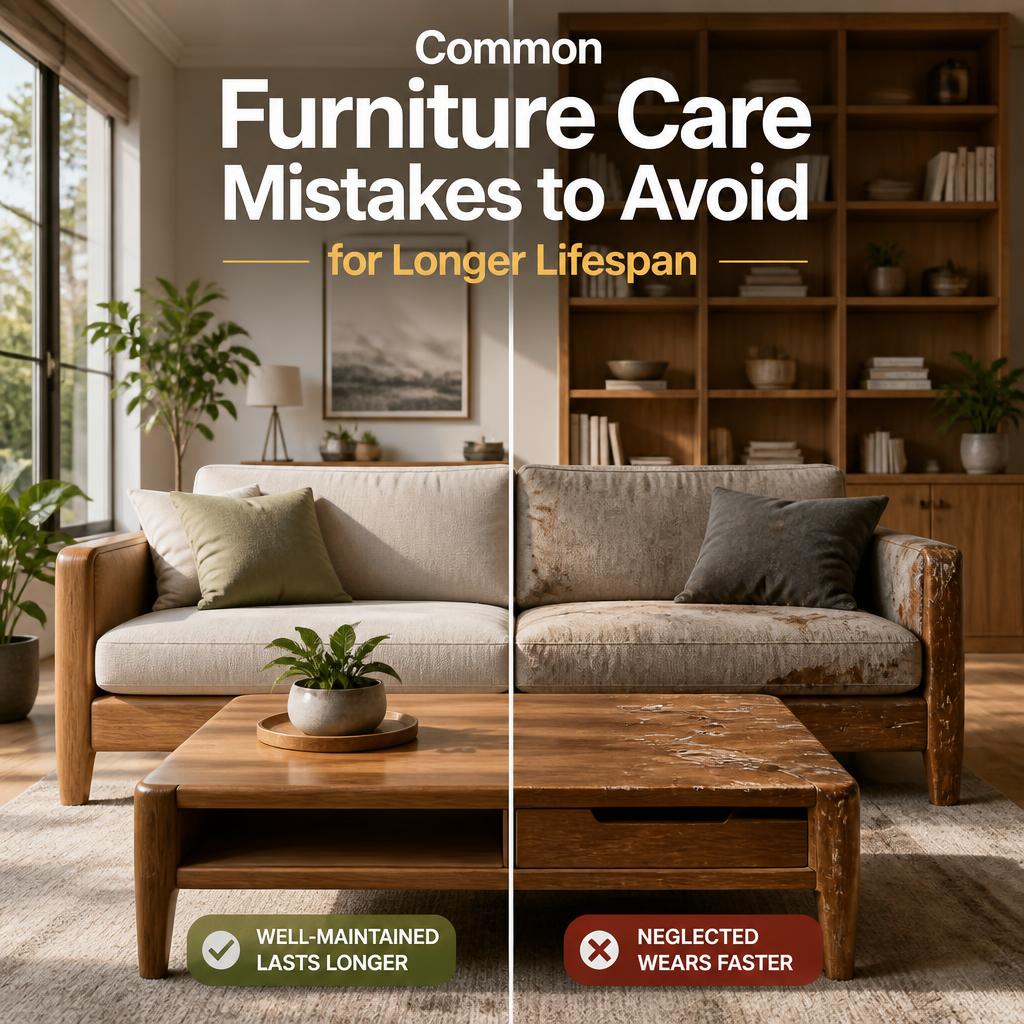
Common Furniture Care Mistakes to Avoid for Longer Lifespan is more than just dusting your table or wiping your sofa occasionally. Many homeowners unknowingly make simple mistakes that shorten the lifespan of their furniture. Over time, these habits can cause fading, cracking, stains, and even structural damage.
Furniture is an investment that adds comfort and personality to a home. Whether it’s a wooden dining table, a leather couch, or a fabric armchair, proper care is essential to keep everything looking beautiful and functional for years. – shultzrefinishing.com
Why Furniture Maintenance Matters More Than You Think
Many people assume that furniture is built to last forever without much attention. In reality, every material reacts differently to heat, moisture, and daily use.
Ignoring proper maintenance can lead to expensive repairs or even force you to replace furniture sooner than expected.
Placing Furniture Under Direct Sunlight
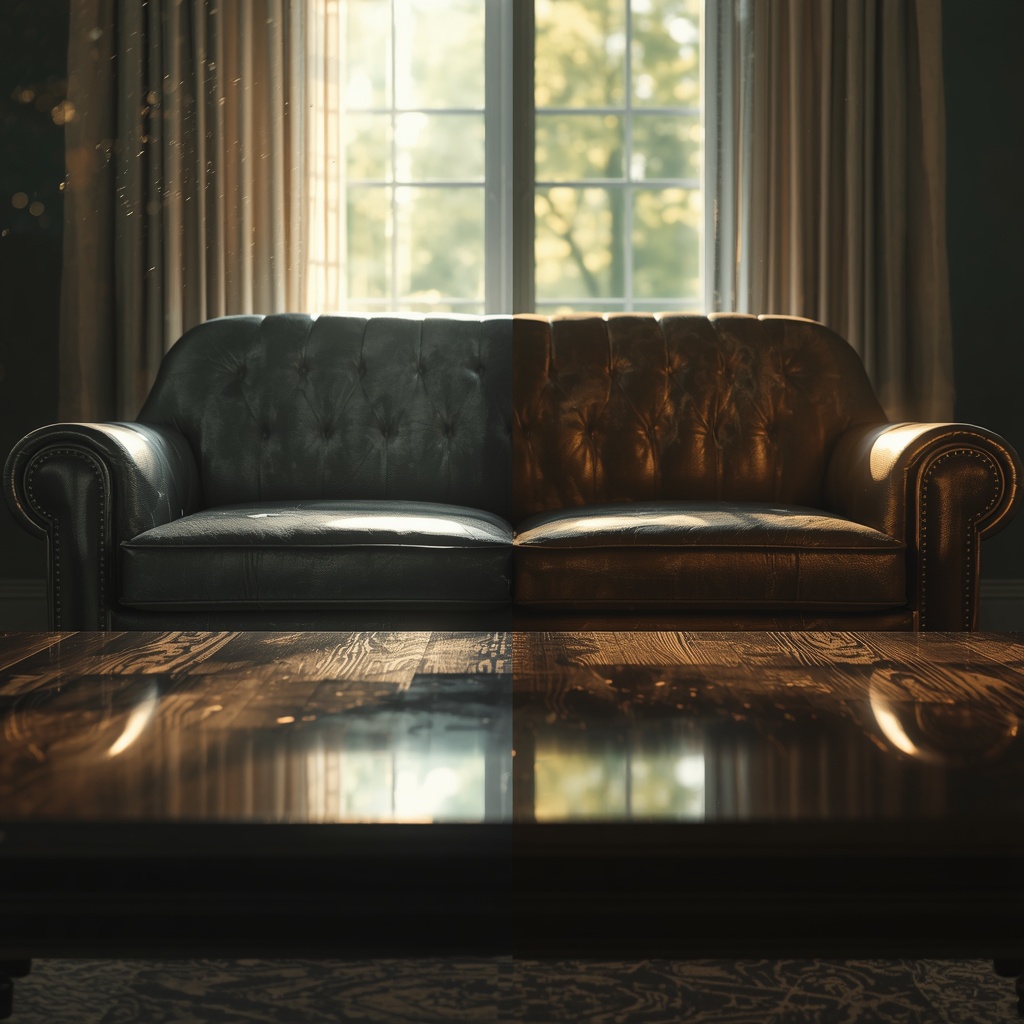
One of the most common mistakes is positioning furniture where it receives direct sunlight every day.
What Happens to Furniture in the Sun?
- Wood surfaces begin to fade.
- Fabric upholstery loses its color.
- Leather can dry out and crack.
- Protective finishes start peeling.
How to Prevent It
Place furniture away from windows or use curtains and blinds to reduce prolonged exposure to sunlight.
Using the Wrong Cleaning Products
Not every cleaner is suitable for every type of furniture. Some all-purpose cleaning products contain harsh chemicals that can damage surfaces.
Products to Avoid
- Cleaners containing high amounts of ammonia.
- Bleach-based products.
- Strong alcohol solutions.
Instead, use cleaning products specifically designed for wood, leather, or fabric furniture.
Letting Dust Build Up for Too Long
Dust may seem harmless, but tiny particles can gradually scratch surfaces.
Why Dust Is a Problem
When mixed with humidity, dust becomes sticky and can damage protective coatings on furniture.
A Simple Solution
Use a microfiber cloth to remove dust at least twice a week. This simple habit keeps furniture looking fresh and prevents long-term damage.
Dragging Furniture Instead of Lifting It
Many people move heavy tables or cabinets by dragging them across the floor.
The Consequences
- Furniture legs become loose.
- Wooden joints weaken.
- Floors get scratched.
- Structural damage becomes more likely.
Whenever possible, lift furniture carefully or ask someone to help move heavier pieces.
Ignoring Indoor Humidity Levels
Humidity plays a major role in furniture longevity.
High Humidity Can Cause:
- Mold growth.
- Swelling of wooden surfaces.
- Unpleasant odors.
Low Humidity Can Cause:
- Cracked wood.
- Dry and brittle materials.
- Damaged adhesives.
According to the hygroscopic property of wood, wooden furniture naturally absorbs and releases moisture from its surroundings. Maintaining balanced humidity is therefore essential.
Waiting Too Long to Clean Spills and Stains
Coffee, juice, or sauce spills often seem minor, but leaving them unattended can permanently stain furniture.
What Should You Do?
- Blot the liquid immediately.
- Avoid scrubbing aggressively.
- Use a cleaner suitable for the material.
Quick action can save your furniture from permanent discoloration.
Using Too Much Water During Cleaning
Water helps remove dirt, but excessive moisture can damage furniture.
Effects on Wooden Furniture
- Swelling and warping.
- White spots on the surface.
- Damaged protective coatings.
Always use a slightly damp cloth instead of soaking the furniture with water.
Neglecting Regular Maintenance
Many homeowners only pay attention to furniture when it already looks damaged.
Why Routine Maintenance Matters
Regular inspections can help identify minor issues before they become expensive problems.
Easy Maintenance Tips
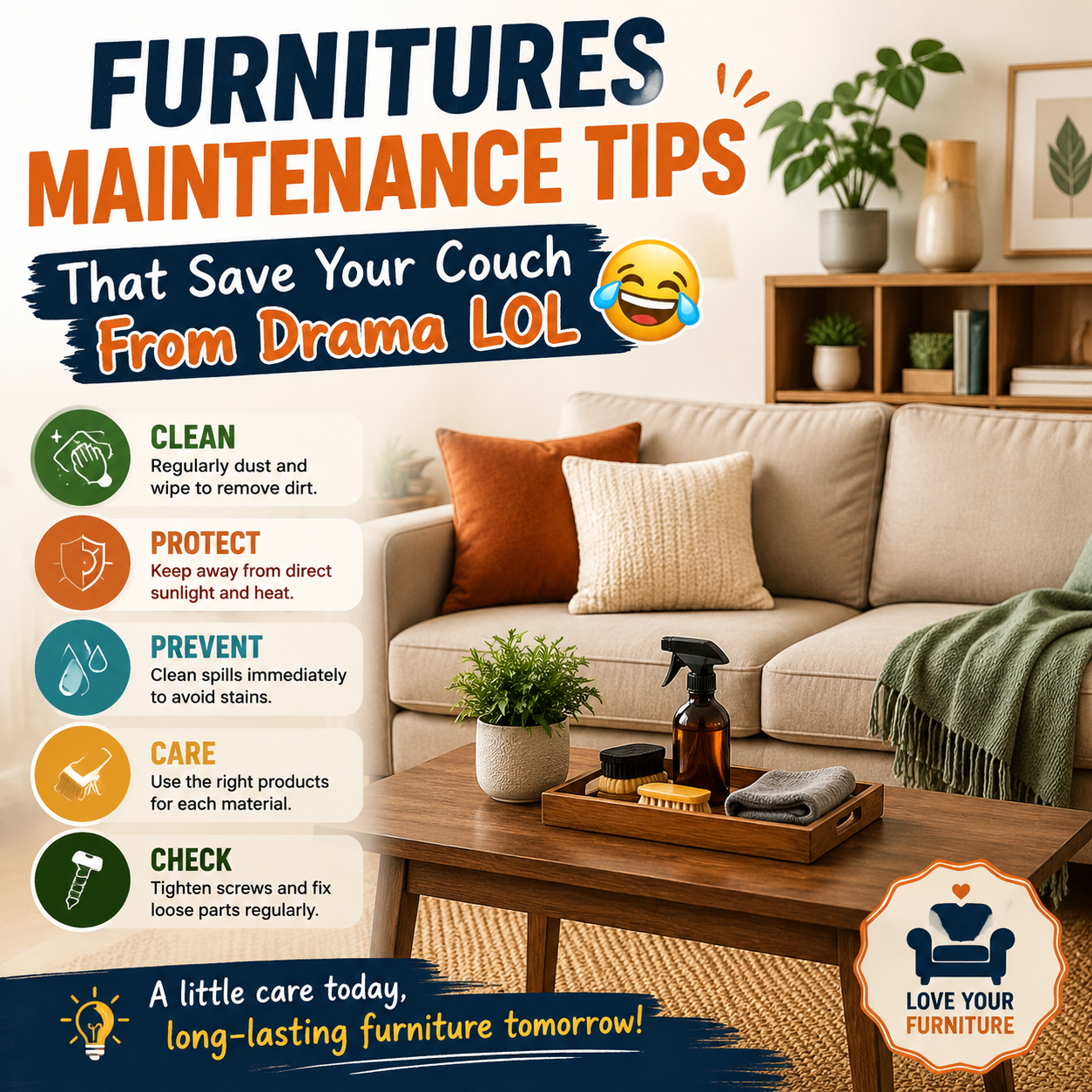
- Tighten loose screws.
- Apply wood polish every few months.
- Check for signs of termites.
- Rotate cushions regularly.
Consistent care can significantly extend the lifespan of furniture.
Choosing the Wrong Protective Products
Different materials require different treatments.
Wooden Furniture
Use a wood conditioner to prevent drying and cracking.
Leather Furniture
Apply a leather conditioner to maintain softness and flexibility.
Fabric Furniture
Use a fabric protector to reduce staining and moisture absorption.
The right products can preserve both appearance and durability.
Overloading Furniture with Excessive Weight
Bookshelves, cabinets, and tables are designed with weight limits.
Signs of Overloading
- Shelves start bending.
- Furniture becomes unstable.
- Cracking noises appear.
Always follow the manufacturer’s recommendations regarding weight capacity.
Ignoring Manufacturer Care Instructions
Every piece of furniture is built differently. Some materials require special cleaning methods, while others need periodic treatment.
Reading the care instructions may seem unnecessary, but it can save you from costly repairs and premature replacement.
Smart Habits That Keep Furniture Looking New
Here are several simple habits that make a huge difference:
- Dust furniture regularly.
- Keep furniture away from direct sunlight.
- Use appropriate cleaning products.
- Maintain balanced indoor humidity.
- Clean spills immediately.
- Avoid excessive weight.
- Perform regular inspections.
These habits require little effort but can add years to the life of your furniture.
When Should You Replace Furniture?
Even well-maintained furniture eventually reaches the end of its lifespan.
Consider replacement when:
- Structural damage becomes unsafe.
- Mold has permanently affected the material.
- Repairs cost more than replacement.
- The furniture can no longer perform its function properly.
However, proper care can delay this stage for many years.
Furniture is one of the biggest investments in any home, and its lifespan largely depends on daily habits. Small mistakes like exposing furniture to direct sunlight, using harsh cleaners, or neglecting regular maintenance can significantly shorten its durability. By avoiding these common errors and adopting proper care techniques, your furniture can remain beautiful, comfortable, and functional for many years. Understanding Common Furniture Care Mistakes to Avoid for Longer Lifespan is a simple step that can protect both your home’s appearance and your long-term investment.