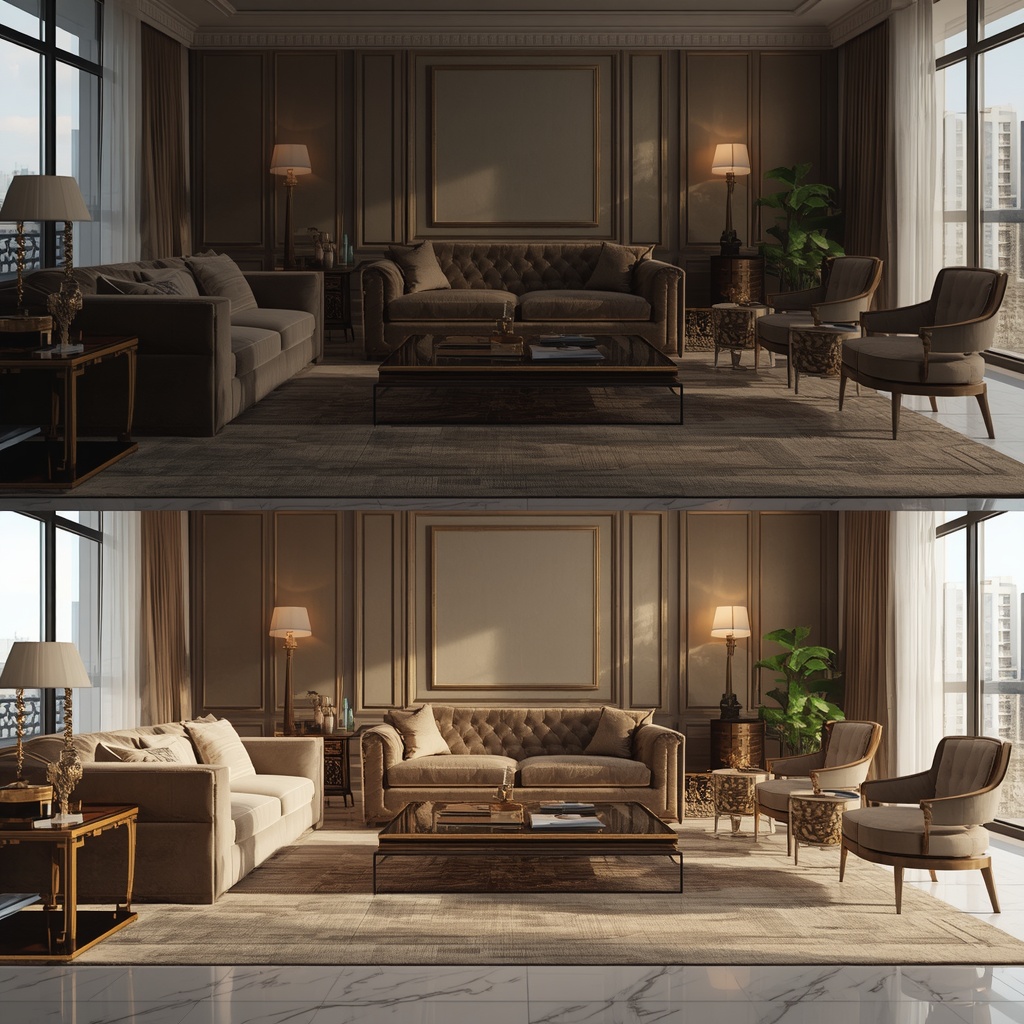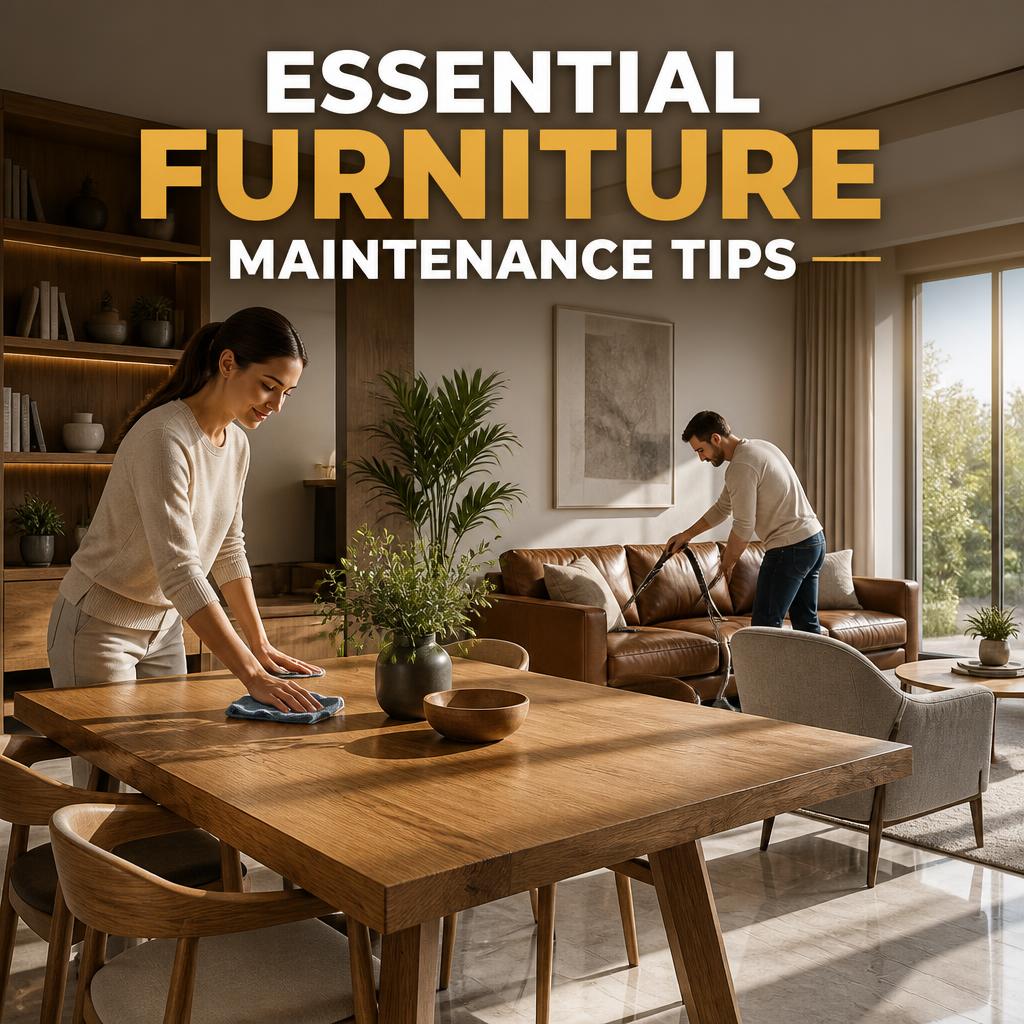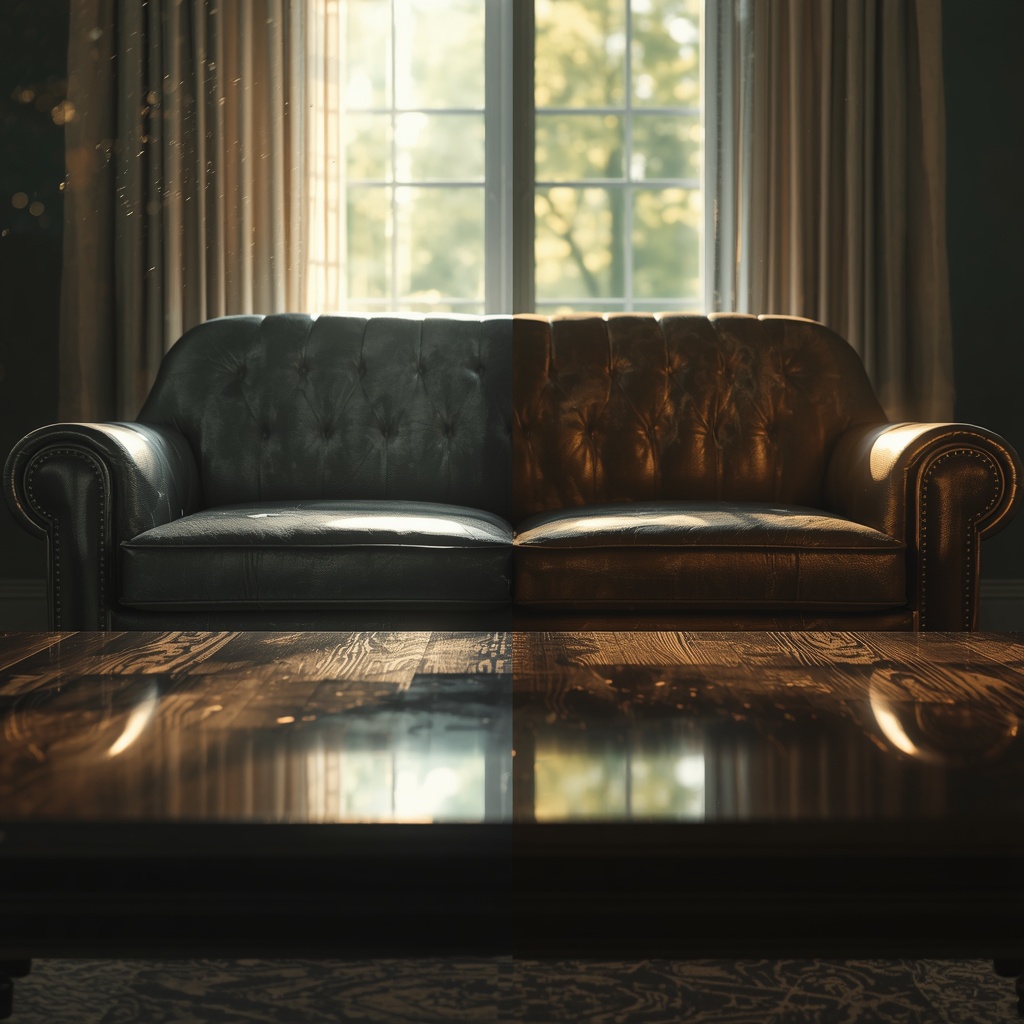
Furniture Losing Its Shine Too Quickly? Stop the Damage Before It Starts Today becomes a real concern when your favorite pieces begin to look dull, scratched, or worn far sooner than expected. You might wonder what exactly causes this, who plays a role, where the damage begins, when it shows up, why it happens, and how you can stop it immediately. Let’s walk through it step by step—clearly, directly, and with solutions you can apply today. – shultzrefinishing
Understanding Furniture Aging: What’s Really Happening?
Furniture doesn’t suddenly age—it gradually deteriorates. Over time, materials weaken, finishes fade, and structures loosen. However, the real issue isn’t just time; it’s how daily exposure accelerates the process.
What Makes Furniture Age Faster Than It Should?
First, sunlight breaks down finishes and fades colors. Next, humidity fluctuations cause wood to expand and contract. In addition, poor-quality materials wear out faster. Finally, improper care speeds everything up.
As a result, your furniture doesn’t just age—it deteriorates faster than expected.
Who Actually Causes Furniture Damage?
Most people blame time, but in reality, everyday habits play a bigger role. You, your environment, and your routines all contribute to the wear and tear.
Common Habits That Speed Up Aging
For example, dragging chairs instead of lifting them weakens joints. Meanwhile, using harsh cleaners strips protective layers. On top of that, ignoring spills allows stains to settle. Even overloading shelves can damage structure.
Clearly, small actions create long-term consequences.
Where Does Furniture Wear Start First?
Damage doesn’t appear randomly. Instead, it begins in areas you use the most.
Key Stress Points to Watch
- Sofa armrests and cushions
- Table surfaces and edges
- Chair legs and joints
- Cabinet handles
Because these areas face constant use, they show aging first.
When Do Signs of Aging Start to Appear?
Furniture can begin showing wear surprisingly early. In fact, poor conditions can cause visible damage within months.
Early Warning Signs
Initially, you’ll notice fading colors. Then, small scratches appear. After that, joints may loosen slightly. Eventually, fabrics lose firmness.
If you act early, you can prevent these issues from worsening.
Why Your Furniture Ages Fast (The Core Reasons Explained)
Now, let’s break down the main causes clearly.
1. Sunlight Exposure
First of all, UV rays attack materials directly. They fade wood, weaken fabric, and crack finishes. Therefore, constant exposure leads to rapid aging.
2. Humidity Imbalance
Next, moisture plays a critical role. Too much humidity causes swelling and mold. On the other hand, dry air leads to cracks and brittleness.
3. Low-Quality Materials
In many cases, cheap furniture simply doesn’t last. Thin layers, weak joints, and poor fabrics fail under normal use.
4. Lack of Maintenance
Finally, neglect accelerates everything. Without routine care, minor damage turns into permanent deterioration.
How to Stop Furniture Aging Today
Fortunately, you can take immediate action.
Simple Changes That Deliver Results
First, move furniture away from direct sunlight. Then, use curtains or blinds during peak hours. After that, maintain indoor humidity between 40–60%. Lastly, clean surfaces using gentle methods.
By applying these steps, you slow down the aging process instantly.
Smart Protection Strategies That Actually Work
Use Protective Layers
To begin with, place tablecloths on dining tables. Then, add slipcovers to sofas. Also, use coasters to prevent surface damage.
These layers act as shields against daily wear.
Rotate Usage Regularly
In addition, rotate cushions and seating positions. This simple habit distributes pressure evenly.
Why Rotation Matters
If you don’t rotate, one area wears out faster while others remain untouched.
Cleaning Techniques That Preserve, Not Destroy
Cleaning can either protect or damage your furniture. Therefore, you must choose the right approach.
Avoid Harsh Chemicals
Strong cleaners strip finishes and weaken materials. As a result, furniture loses its protective layer.
Use Gentle Cleaning Methods Instead
Instead, use microfiber cloths, mild soap solutions, and specialized cleaners. These options clean effectively without causing harm.
Clean Smart, Not Excessively
Interestingly, over-cleaning can also damage surfaces. So, clean regularly—but gently.
Material-Specific Care Tips
Different materials require different care. Therefore, you should adjust your approach.
Wood Furniture
First, apply polish occasionally. Next, keep it away from heat sources. Also, avoid excessive moisture.
Fabric Upholstery
Meanwhile, vacuum regularly to remove dust. Then, treat stains immediately. Additionally, use fabric protectors.
Leather Pieces
For leather, condition it every few months. Also, keep it away from heat. Finally, clean it with specialized products.
Environmental Control: The Hidden Advantage
Your environment plays a powerful role.
Control Temperature and Humidity
Extreme conditions cause materials to expand and contract. Over time, this weakens structure.
Improve Air Circulation
Good airflow prevents moisture buildup and reduces the risk of mold.
When Should You Repair vs Replace?
Not every issue requires replacement.
Repair If
- Damage stays on the surface
- Structure remains strong
- Repair costs stay reasonable
Replace If
- Structural damage appears
- Repairs cost too much
- Materials fail completely
Knowing the difference saves both time and money.
Long-Term Habits That Keep Furniture Looking New
Consistency creates lasting results.
Daily and Weekly Habits
First, wipe surfaces regularly. Then, avoid eating messy food on furniture. Also, limit pet access to delicate items.
Monthly Maintenance Routine
Additionally, check joints and screws. Look for early signs of damage. Reapply protective treatments when needed.
Why Prevention Always Wins
Repairing damaged furniture takes time and money. In contrast, prevention requires minimal effort.
Therefore, when you take small steps consistently, you protect your investment long-term.
Furniture Losing Its Shine Too Quickly? Stop the Damage Before It Starts Today
Furniture Losing Its Shine Too Quickly? Stop the Damage Before It Starts Today highlights a simple truth: furniture doesn’t fail randomly—it responds to how you treat it. By understanding what causes damage, who contributes to it, where it starts, when it appears, why it accelerates, and how to stop it, you take full control. Apply the right habits, adjust your environment, and maintain your furniture consistently. As a result, your furniture will stay strong, attractive, and long-lasting for years to come.