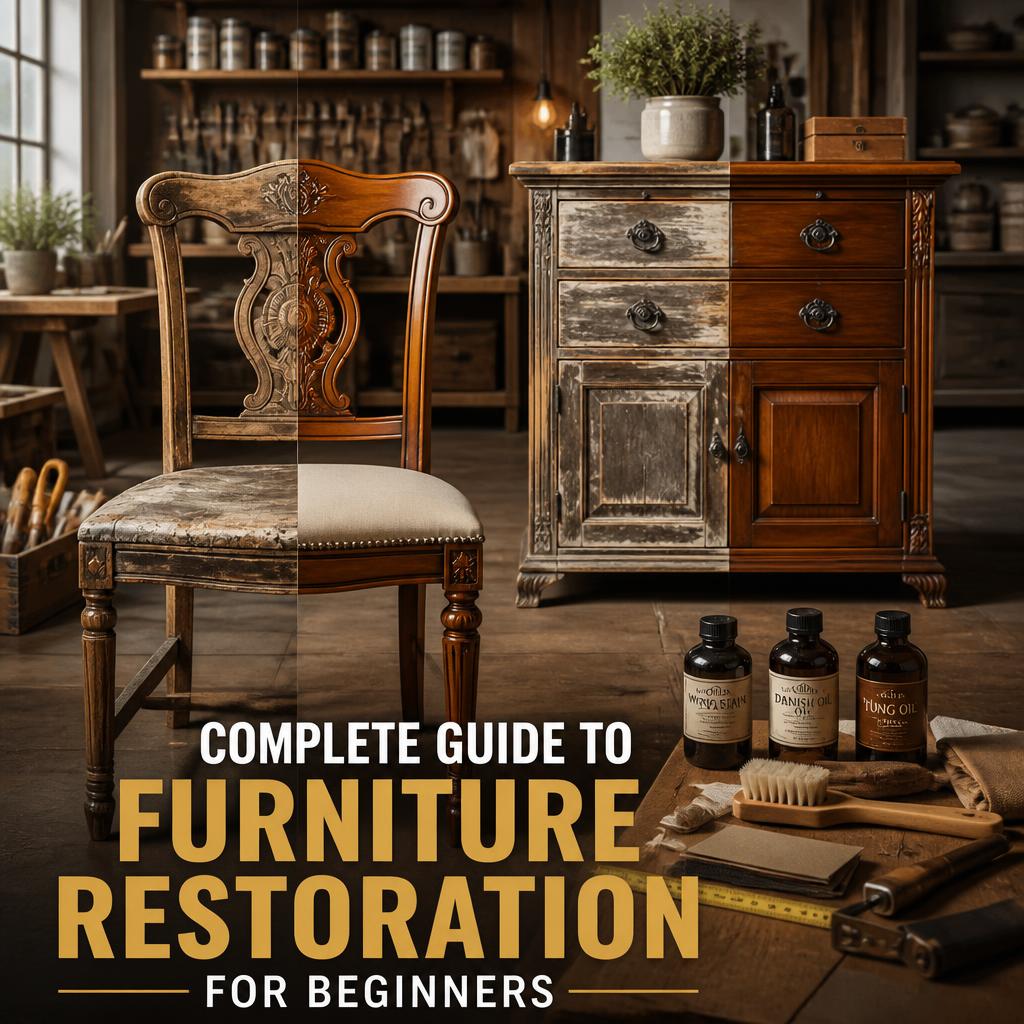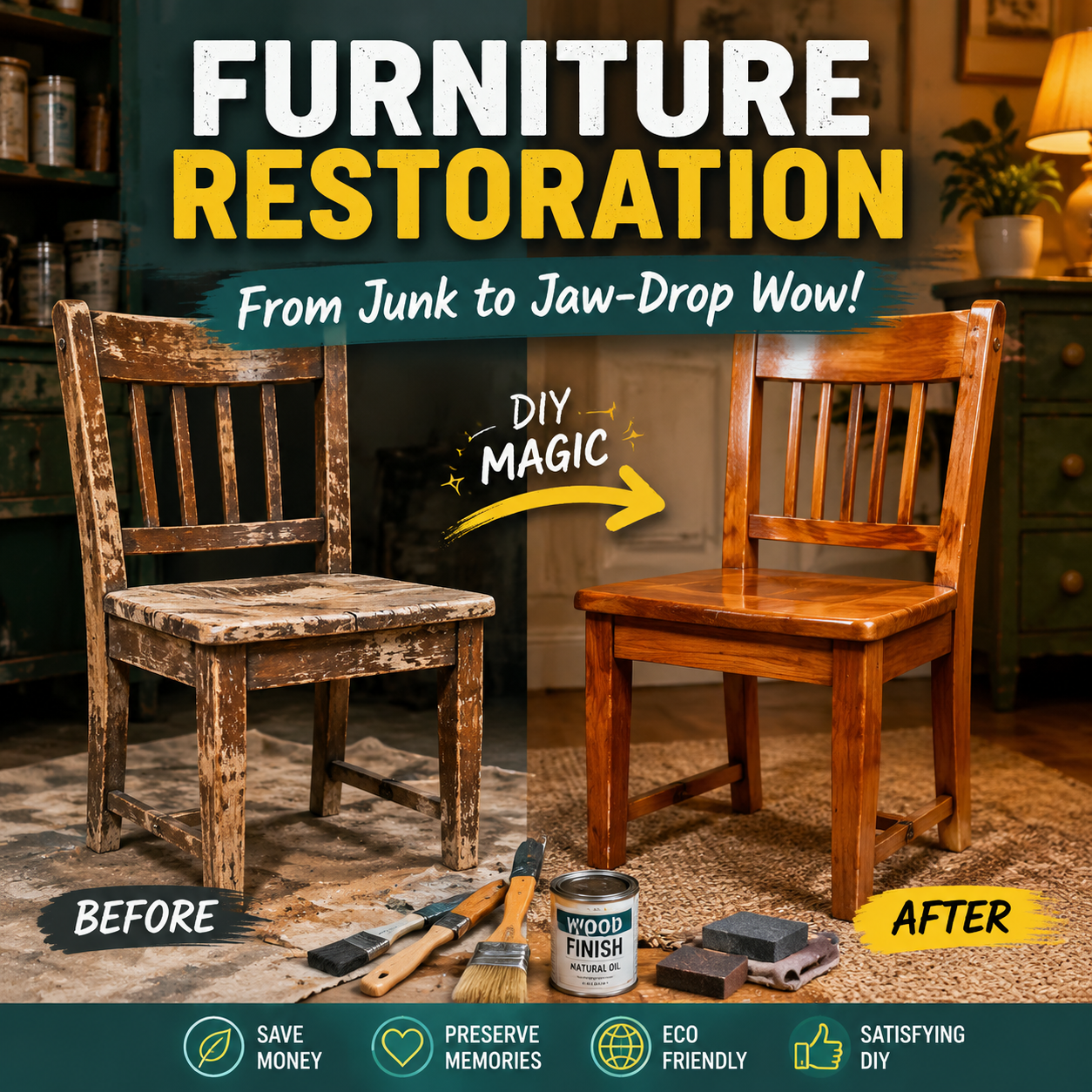
shultzrefinishing – Hidden Wood Revival Hacks That Make Antique Furniture Look New Again are changing how homeowners, collectors, and DIY enthusiasts restore aging furniture without spending a fortune. Old wooden tables, cabinets, dressers, and chairs often look beyond repair at first glance. However, many pieces only need the right restoration techniques to recover their original beauty.
Whether you found a dusty oak chair at a garage sale, inherited a scratched walnut cabinet, or discovered forgotten furniture in your attic, there are surprisingly effective ways to revive wood quickly. The best part is that many restoration tricks require simple tools and affordable materials.
This guide explains what furniture restoration really involves, who can benefit from it, where hidden damage usually appears, when to restore instead of replace, why certain techniques work better than others, and how to restore old wood fast while preserving its natural character.
What Makes Old Wood Furniture Lose Its Shine?
Wood furniture naturally ages over time. Heat, moisture, dust, sunlight, and daily use slowly damage the surface and weaken the finish.
Common problems include:
- Water rings
- Scratches
- Faded stain
- Dry cracking
- Sticky residue
- Peeling varnish
- Dull surfaces
- Loose joints
Many people assume damaged furniture is permanently ruined. In reality, solid wood furniture is often highly restorable because wood fibers remain alive beneath the worn surface.
Why Restoring Old Furniture Is Better Than Buying New
Saving Money Without Sacrificing Quality
Modern furniture often uses particle board or thin veneers. Older furniture pieces usually contain stronger hardwoods like oak, maple, walnut, or mahogany.
Restoring an older piece can cost far less than buying premium-quality replacements.
Preserving Character and History
Vintage furniture has personality. Tiny imperfections, grain patterns, and handcrafted details create charm that mass-produced furniture rarely matches.
Families often restore heirloom furniture because of emotional value as much as appearance.
Reducing Waste
Furniture restoration also supports sustainable living. Instead of throwing away solid wood pieces, restoration keeps usable furniture out of landfills.
Hidden Furniture Restoration Tricks That Revive Old Wood Fast
Using Black Tea to Restore Faded Wood Color
One of the oldest restoration secrets involves black tea.
How It Works
Tea contains tannins that naturally darken wood and enrich faded surfaces.
Steps
- Brew strong black tea
- Let it cool
- Dip a microfiber cloth into the liquid
- Wipe along the wood grain
- Allow it to dry naturally
This works especially well on oak and walnut furniture.
The Walnut Scratch Repair Method
Small scratches can disappear using a simple walnut.
Why Walnuts Work
Walnuts contain natural oils that blend into damaged wood fibers.
Quick Process
- Crack open a raw walnut
- Rub the meat directly over scratches
- Buff gently with a soft cloth
This trick instantly darkens scratches and reduces visibility.
The Secret Power of Vinegar and Olive Oil
A Homemade Wood Conditioner That Actually Works
A mix of white vinegar and olive oil can revive dry furniture surfaces.
Recommended Ratio
2:12:1
Use two parts olive oil and one part vinegar.
Benefits
- Removes grime
- Adds moisture
- Restores shine
- Reduces dullness
Apply lightly and buff thoroughly to avoid oily buildup.
How Heat Can Remove White Water Rings
White rings often appear when hot mugs or plates sit on wood surfaces.
The Hair Dryer Technique
What You Need
- Hair dryer
- Soft cloth
Process
- Set the dryer to low heat
- Keep it moving constantly
- Warm the stain for 20–30 seconds
- Wipe immediately
The trapped moisture gradually evaporates, making the ring disappear.
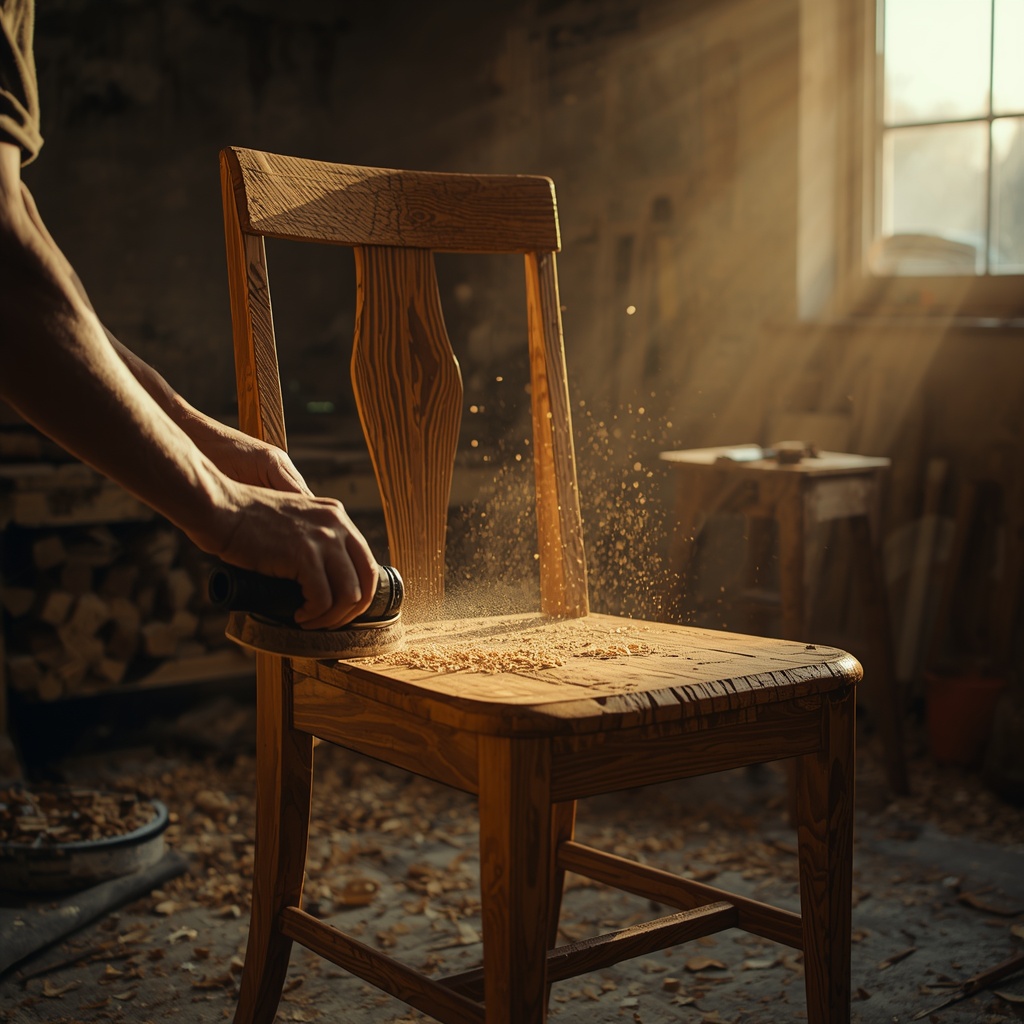
Fast Sanding Tricks Professionals Use
Why Most DIY Sanding Goes Wrong
People often oversand furniture and damage the wood grain.
Professionals use controlled sanding instead of aggressive stripping.
The Right Sanding Sequence
Start With Medium Grit
80→120→22080 \rightarrow 120 \rightarrow 220
This progression smooths surfaces gradually without tearing wood fibers.
Important Tip
Always sand with the grain, never against it.
Hidden Areas Where Furniture Damage Starts
Undersides and Back Panels
Moisture damage often begins where people rarely check.
Inspect:
- Drawer bottoms
- Chair legs
- Rear corners
- Undersides of tables
Joint Weakness
Loose joints can usually be repaired with:
- Wood glue
- Clamps
- Reinforcement screws
Catching problems early prevents structural collapse later.
The Mineral Spirits Cleaning Method
Removing Years of Dirt Before Refinishing
Old furniture may appear damaged when it is actually covered in decades of grime.
What Mineral Spirits Do
Mineral spirits dissolve:
- Wax buildup
- Smoke residue
- Sticky oils
- Dirt layers
Safe Application
Use a lint-free cloth and work in a ventilated area.
This step often reveals beautiful wood hidden beneath dirt.
Restoring Wood Finish Without Stripping Everything
When Full Refinishing Is Unnecessary
Not every furniture piece needs complete stripping.
Sometimes the original finish remains salvageable.
The Re-Amalgamation Trick
Professionals sometimes soften old lacquer using special solvents to blend damaged areas back together.
This saves:
- Time
- Original character
- Decorative patina
It also reduces restoration costs significantly.
Best Oils for Reviving Dry Wood Furniture
Danish Oil vs Tung Oil vs Linseed Oil
Different oils produce different results.
Danish Oil
Best for:
- Fast restoration
- Satin finish
- Easy application
Tung Oil
Best for:
- Water resistance
- Rich natural appearance
Boiled Linseed Oil
Best for:
- Deep conditioning
- Antique furniture
Each option enhances grain visibility while protecting wood surfaces.
Common Furniture Restoration Mistakes to Avoid
Using Too Much Water
Water can warp wood quickly. Always use damp cloths instead of soaking surfaces.
Skipping Surface Preparation
Applying stain or oil over dirt creates uneven finishes.
Cleaning always comes first.
Ignoring Wood Type
Different woods react differently to:
- Stain
- Heat
- Moisture
- Sanding
Pine, oak, walnut, and teak all require slightly different approaches.
Where to Find Hidden Restoration Gems
Thrift Stores and Garage Sales
Some of the best restoration projects come from overlooked places.
Look for:
- Solid wood construction
- Dovetail joints
- Heavy frames
- Real wood grain
Family Storage Areas
Basements, garages, and attics often contain forgotten furniture with incredible restoration potential.
Many antique-quality pieces simply need cleaning and refinishing.
When Should You Restore Furniture Instead of Replacing It?
Signs a Piece Is Worth Saving
Restore furniture if:
- The frame is solid
- The wood is genuine hardwood
- Damage is mostly cosmetic
- The design has sentimental or antique value
Replace furniture if:
- Structural rot is severe
- Termite damage is extensive
- Repairs exceed replacement value
How Long Does Furniture Restoration Take?
Quick Cosmetic Fixes
Minor restoration projects can take:
- 1–3 hours for cleaning and polishing
- 1 day for scratch repairs and oil finishing
Full Refinishing Projects
Large restorations involving stripping, sanding, staining, and sealing may take several days.
Drying time is often the biggest factor.
Simple Tools Every Furniture Restorer Should Own
Beginner Restoration Essentials
A small toolkit goes a long way.
Useful Items
- Microfiber cloths
- Sandpaper
- Wood glue
- Putty knife
- Soft brushes
- Mineral spirits
- Furniture wax
- Clamp set
These tools handle most home restoration tasks effectively.
Hidden Wood Revival Hacks That Make Antique Furniture Look New Again prove that restoring old furniture does not need to be complicated or expensive. With the right techniques, faded wood can regain its warmth, scratches can disappear, and neglected furniture can become the centerpiece of a room again.
From walnut scratch repairs and black tea treatments to careful sanding and oil restoration, small methods often create dramatic results. Whether you restore furniture for sustainability, nostalgia, or interior design, these practical tricks help transform worn wooden pieces into something beautiful and functional once again.