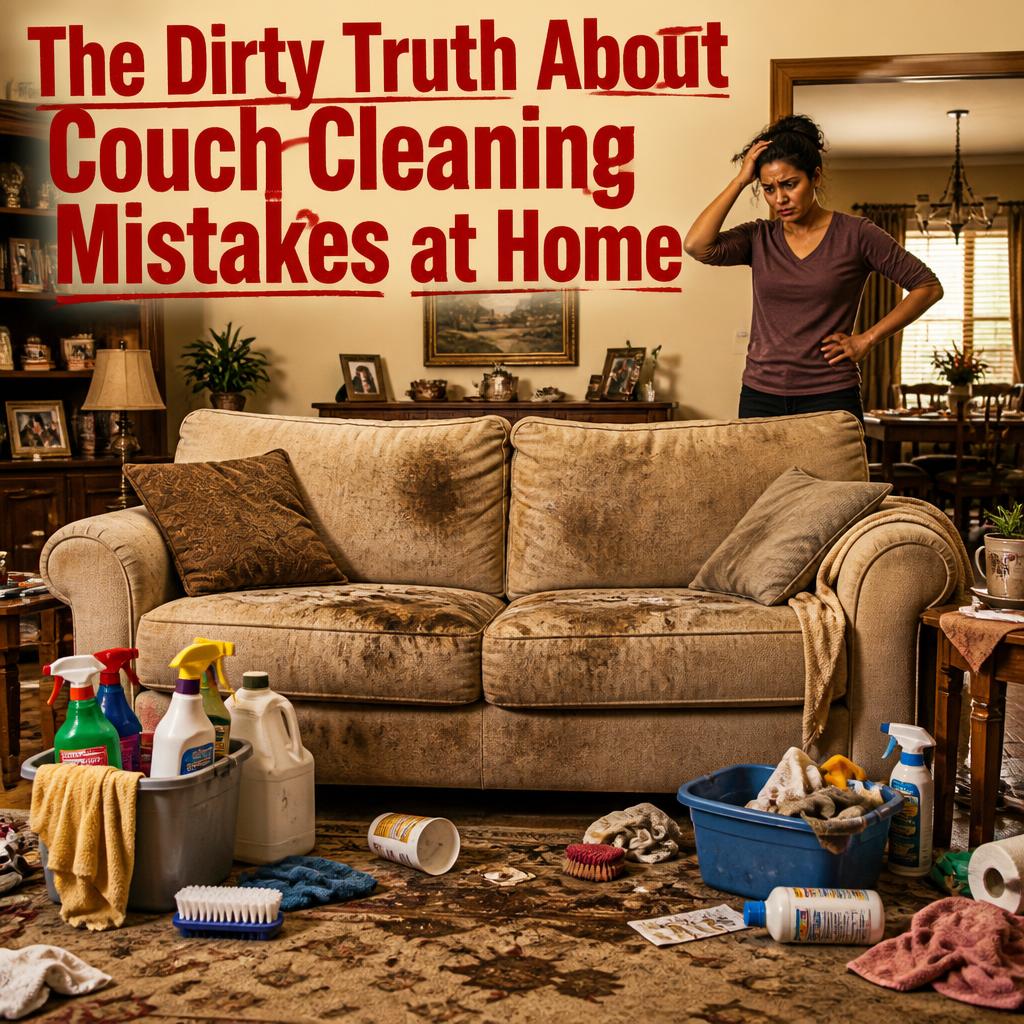
Your couch is usually the first thing people notice when they walk into your home, which is why The Dirty Truth About Couch Cleaning Mistakes That Quietly Destroy Your Living Room matters more than most homeowners realize. A sofa is not just another piece of furniture. It is where people relax after work, watch movies, host guests, nap on weekends, and spend hours every day. Yet many people unknowingly damage their couches while trying to keep them clean.
From using the wrong products to soaking fabric with water, simple mistakes can slowly ruin color, texture, cushioning, and even indoor air quality. Some habits leave couches smelling musty, while others shorten the lifespan of expensive furniture by years.
The good news is that most of these issues are preventable. Once you understand what causes hidden couch damage, cleaning becomes easier, safer, and far more effective. – shultzrefinishing
Why Couch Cleaning Matters More Than People Think
A couch absorbs more dirt than most surfaces inside a house. Dust, sweat, body oils, pet hair, crumbs, smoke particles, and airborne pollutants settle into the fabric daily.
Even a clean-looking sofa may contain:
- Dead skin cells
- Dust mites
- Food residue
- Mold spores
- Allergens
- Bacteria trapped deep in cushions
Over time, these contaminants affect not only the couch itself but also the atmosphere of the entire living room.
A neglected sofa can make a fresh home feel stale.
Common Couch Cleaning Mistakes Ruining Your Living Room
Using Too Much Water
One of the biggest couch cleaning mistakes is oversaturating fabric with water.
Many people scrub stains aggressively using soaked cloths or spray bottles until the cushion feels damp all the way through. Unfortunately, excess moisture often sinks deep into the foam where airflow is limited.
That creates the perfect environment for:
- Mold growth
- Mildew smells
- Cushion deformation
- Fabric weakening
Why This Happens
Most living room couches are not designed to handle deep moisture unless professionally extracted and dried.
When water remains trapped inside for hours or days, the sofa may develop a sour smell that never fully disappears.
Better Cleaning Approach
Instead of soaking the material:
- Use a lightly damp microfiber cloth
- Blot instead of scrubbing
- Dry immediately with airflow or a fan
- Test moisture-sensitive areas first
A little moisture goes a long way.
Scrubbing Stains Too Aggressively
Why Hard Scrubbing Makes Fabric Look Worse
People often panic when spills happen. Coffee, juice, sauce, or ink stains can trigger frantic scrubbing that damages fibers permanently.
Aggressive cleaning can:
- Fade colors
- Roughen texture
- Spread stains deeper
- Create visible fabric patches
Certain materials like velvet, linen, and microfiber are especially sensitive.
The Smarter Way to Remove Stains
Blotting is usually safer than rubbing.
Start from the outside of the stain and move inward slowly. This prevents spreading and keeps the affected area smaller.
Professional cleaners often use patience instead of force.
Ignoring Manufacturer Cleaning Codes
The Tiny Tag Most Homeowners Never Read
Every couch has a cleaning code tag somewhere under the cushions or frame. Many people ignore it completely.
These codes tell you what cleaning method is safe.
Common Couch Cleaning Codes
W
Water-based cleaners are safe.
S
Solvent-based cleaners only.
WS
Both water and solvent cleaners work.
X
Vacuum only. No liquid cleaners.
Using the wrong method can permanently damage upholstery within minutes.
A water-based cleaner on an “S” couch may leave ugly rings or discoloration that cannot be fixed.
Spraying Harsh Chemicals Directly on Fabric
Chemical Residue Can Ruin Indoor Comfort
Strong cleaning sprays may smell “clean,” but many leave behind sticky residue that attracts more dirt over time.
Some harsh products also bleach or weaken upholstery fibers.
What Happens Over Time
Repeated chemical exposure can lead to:
- Fabric fading
- Cracking texture
- Lingering odors
- Irritated skin
- Reduced air quality
This is especially problematic for homes with children or pets.
Safer Alternative
Use mild upholstery-safe solutions and apply them onto a cloth first instead of spraying directly onto the couch.
Gentle cleaning usually produces better long-term results.
Forgetting to Vacuum Before Deep Cleaning
Dirt Turns Into Mud Without Proper Preparation
Trying to wash a dusty couch without vacuuming first is like mopping a dirty floor before sweeping it.
Loose debris mixes with moisture and spreads deeper into fabric layers.
Areas Most People Miss
- Cushion seams
- Armrest corners
- Under removable cushions
- Backrest creases
These hidden spots collect years of dust surprisingly fast.
Simple Habit That Changes Everything
Vacuuming weekly helps preserve fabric texture and prevents dirt buildup from becoming embedded.
It also improves the effectiveness of stain removal later.
Leaving Food Crumbs Inside Cushions
Why Your Living Room Smells Strange
Tiny crumbs trapped between cushions can create lingering odors that many homeowners cannot identify.
Food particles attract:
- Ants
- Cockroaches
- Bacteria
- Mold
Even dry snacks eventually absorb humidity and break down.
Hidden Problem Areas
Most crumbs accumulate in:
- Seat gaps
- Recliner joints
- Folded fabric sections
- Under couch frames
Cleaning visible surfaces alone is not enough.
Using the Wrong Vacuum Attachment
Rough Tools Can Damage Upholstery
Vacuum cleaners are useful, but the wrong attachment can scratch delicate materials or pull loose threads.
Rotating brush heads may be too harsh for:
- Velvet
- Linen
- Soft microfiber
- Decorative woven fabrics
Best Vacuum Setup for Sofas
Use:
- Soft brush attachments
- Low suction settings
- Upholstery tools specifically designed for furniture
Gentle maintenance keeps couches looking newer longer.
Skipping Cushion Rotation
Uneven Wear Ages Your Couch Faster
Most people sit in the same spot every day. Over time, cushions become uneven, flat, or saggy.
This creates a tired living room appearance even if the couch itself is relatively new.
Why Rotation Helps
Rotating cushions distributes pressure more evenly.
It prevents:
- Permanent indentations
- Fabric stretching
- Foam collapse
- Visible wear patterns
Try rotating cushions every one to two weeks.
Letting Sunlight Hit the Same Spot Daily
Sun Damage Is a Silent Couch Killer
Direct sunlight slowly destroys upholstery color and weakens fabric fibers.
Many homeowners notice fading only after permanent damage has already occurred.
Materials Most Vulnerable
- Leather
- Linen
- Cotton blends
- Dark-colored fabrics
Easy Prevention Tips
Use:
- Curtains
- UV-filtering window film
- Furniture repositioning
- Sheer blinds during peak daylight hours
Protecting your couch from sunlight also helps maintain the overall look of your living room.
Ignoring Odors Instead of Treating Them Properly
Air Freshener Is Not a Real Solution
Spraying perfume or air freshener onto a smelly couch only masks odors temporarily.
The source usually remains trapped deep inside the material.
Common Sources of Couch Odors
- Pet accidents
- Sweat buildup
- Moisture retention
- Food spills
- Smoke particles
How to Remove Smells Properly
A better method includes:
- Vacuuming thoroughly
- Using baking soda lightly
- Allowing ventilation
- Spot cleaning problem areas carefully
Persistent smells may require professional upholstery cleaning.
Overlooking Pet Hair and Dander
Pets Leave More Than Visible Fur
Cats and dogs shed oils, dander, saliva, and microscopic allergens into couch fibers every day.
Even if the sofa looks clean, allergens may still accumulate rapidly.
Why This Matters
Pet buildup can affect:
- Indoor air quality
- Allergy symptoms
- Couch odor
- Fabric cleanliness
Helpful Maintenance Routine
For pet owners:
- Vacuum two to three times weekly
- Use lint rollers regularly
- Wash removable covers often
- Keep pet blankets on seating areas
Small routines reduce long-term damage significantly.
When Professional Couch Cleaning Is Worth It
Some Problems Need Expert Equipment
Home cleaning works well for maintenance, but certain situations require professional help.
Consider professional upholstery cleaning when:
- Odors remain after cleaning
- Stains keep returning
- Fabric looks dull
- Cushions feel damp internally
- Allergies worsen indoors
Professionals use extraction tools that remove deep dirt without oversaturating fabric.
For high-end furniture, this can extend couch life dramatically.
Simple Couch Habits That Keep Living Rooms Fresh
Daily and Weekly Maintenance Tips
A cleaner couch creates a cleaner-looking home overall.
Quick Habits That Make a Big Difference
Daily
- Fluff cushions
- Remove crumbs
- Keep pets groomed
Weekly
- Vacuum upholstery
- Rotate cushions
- Spot clean fresh stains
Monthly
- Deep clean safe areas
- Wash removable covers
- Inspect hidden corners
Consistency matters more than aggressive cleaning sessions.
The reality behind The Dirty Truth About Couch Cleaning Mistakes That Quietly Destroy Your Living Room is that most sofa damage happens slowly through everyday habits people barely notice. Too much water, harsh chemicals, ignored stains, trapped crumbs, and poor maintenance routines quietly shorten the life of even the most expensive couches. Fortunately, smarter cleaning methods, gentle maintenance, and regular care can keep your living room looking fresh, comfortable, and inviting for years. A couch should make a space feel warm and relaxing, not worn out before its time.