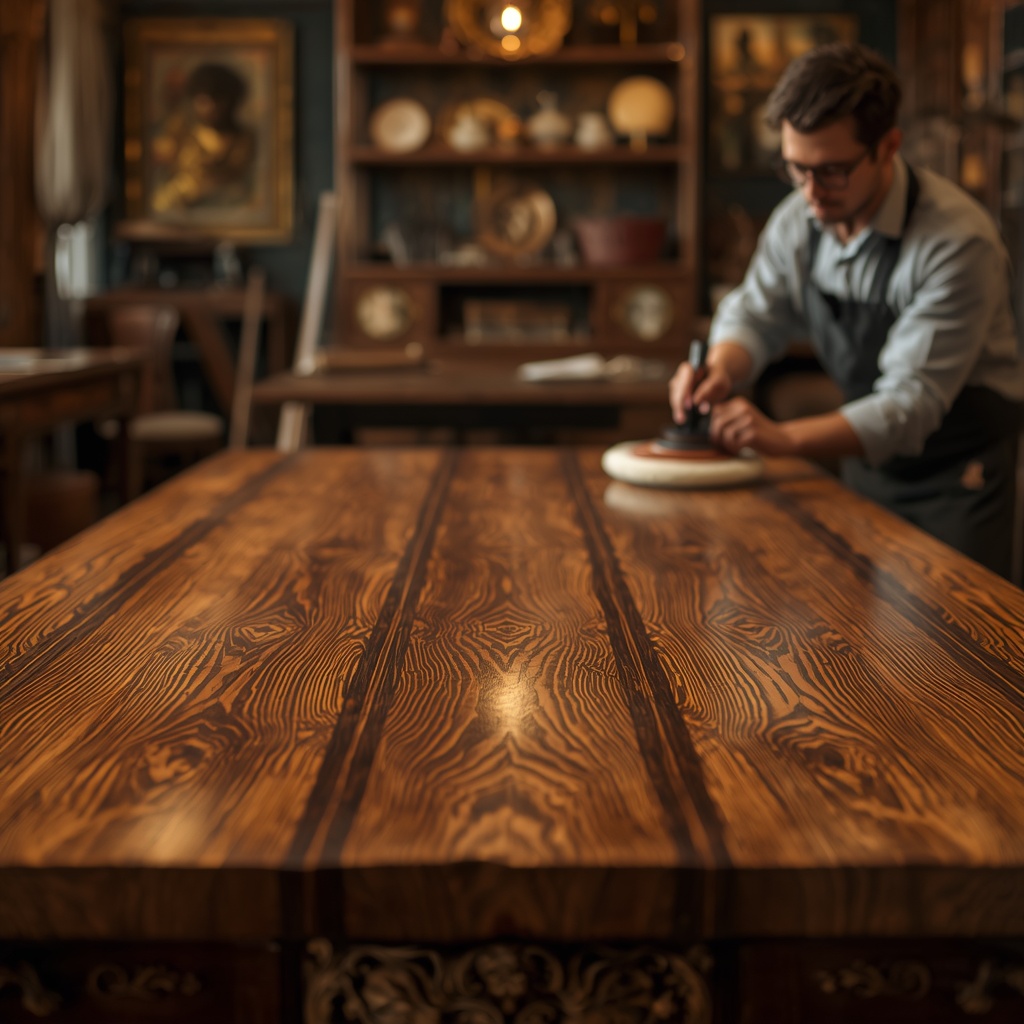
Why Old Tables Deserve a Second Life
shultzrefinishing – Old tables often carry strong materials and craftsmanship that modern mass-produced furniture lacks. Instead of discarding them, restoration allows you to turn forgotten pieces into luxury-style furniture that enhances any interior. In many homes in Paris, aged wooden tables are being revived as sustainable design statements that combine history and modern elegance.
Assessing Wood Condition Before Restoration
Before any work begins, you must understand what you’re dealing with.
Structural Inspection Basics
Check for cracks, warping, and loose joints. Solid hardwood like oak or teak responds best to restoration.
Surface vs Deep Damage
Surface scratches are easy fixes, but deep rot or insect damage may require replacement parts or reinforcement.
Deep Cleaning Techniques That Reveal Hidden Beauty
Dirt and old polish often hide the true character of wood.
Gentle Cleaning Method
Use warm water mixed with mild soap and a microfiber cloth. Avoid soaking the wood.
Removing Old Wax Layers
Mineral spirits can help dissolve old wax buildup, revealing the natural grain underneath.
Sanding Methods for a Luxury Finish
Sanding is where transformation begins.
Step-by-Step Sanding Process
Start with 120-grit sandpaper, move to 220-grit, and finish with 320-grit for a smooth surface.
Key Detail Work
Edges and corners should be sanded lightly to maintain original table character while improving refinement.
Staining vs Painting for Premium Look
Choosing the right finish defines the final aesthetic.
Natural Wood Stain
Staining enhances grain patterns and is ideal for a high-end organic look.
Modern Painted Finish
Matte black, white, or deep navy can create a contemporary luxury feel, especially for minimalist interiors.
Hardware Upgrades That Elevate Style
Small details create a big visual impact.
Replacing Table Legs and Handles
Switching to brass, gold, or matte black hardware instantly modernizes the piece.
Designer Touches
Slim metal legs or carved wooden replacements can completely redefine table identity.
Protective Finishes That Add Shine and Durability
A luxury table must also last.
Polyurethane Coating
This adds durability and a subtle gloss finish that protects against scratches and moisture.
Natural Oil Finish
Tung oil or linseed oil enhances warmth and gives a soft, elegant glow.
Design Tricks Used by Professionals
Interior designers use subtle techniques to make restored tables look expensive.
Contrast Styling
Pairing dark tabletops with light legs creates visual depth.
Texture Layering
Combining smooth polish with raw wood edges adds artistic contrast often seen in boutique furniture stores.
Common Mistakes to Avoid During Restoration
Many beginners ruin furniture by rushing.
Over-Sanding Risk
Too much sanding removes character and reduces value.
Wrong Product Usage
Harsh chemicals can damage wood fibers permanently, reducing structural strength.
FAQ – Furniture Restoration Insights
What type of wood is easiest to restore?
Hardwoods like oak, walnut, and teak are the most forgiving and deliver the best luxury results.
Can I restore furniture without professional tools?
Yes, basic tools like sandpaper, brushes, and wood stain are enough for small to medium projects.
How long does table restoration take?
Depending on condition, it usually takes 1–3 days, including drying time for finishes.
Is painting better than staining for luxury look?
Staining is preferred for natural luxury, while painting works best for modern or artistic interiors.
Transforming old furniture into elegant pieces is not just a design trend but a sustainable lifestyle choice. With the right techniques—cleaning, sanding, finishing, and styling—you can achieve remarkable results that rival store-bought luxury furniture. The process behind Furniture Restoration Tricks That Make Old Tables Look Luxury shows that value is often hidden beneath timeworn surfaces, waiting to be revealed through careful craftsmanship and creative vision.