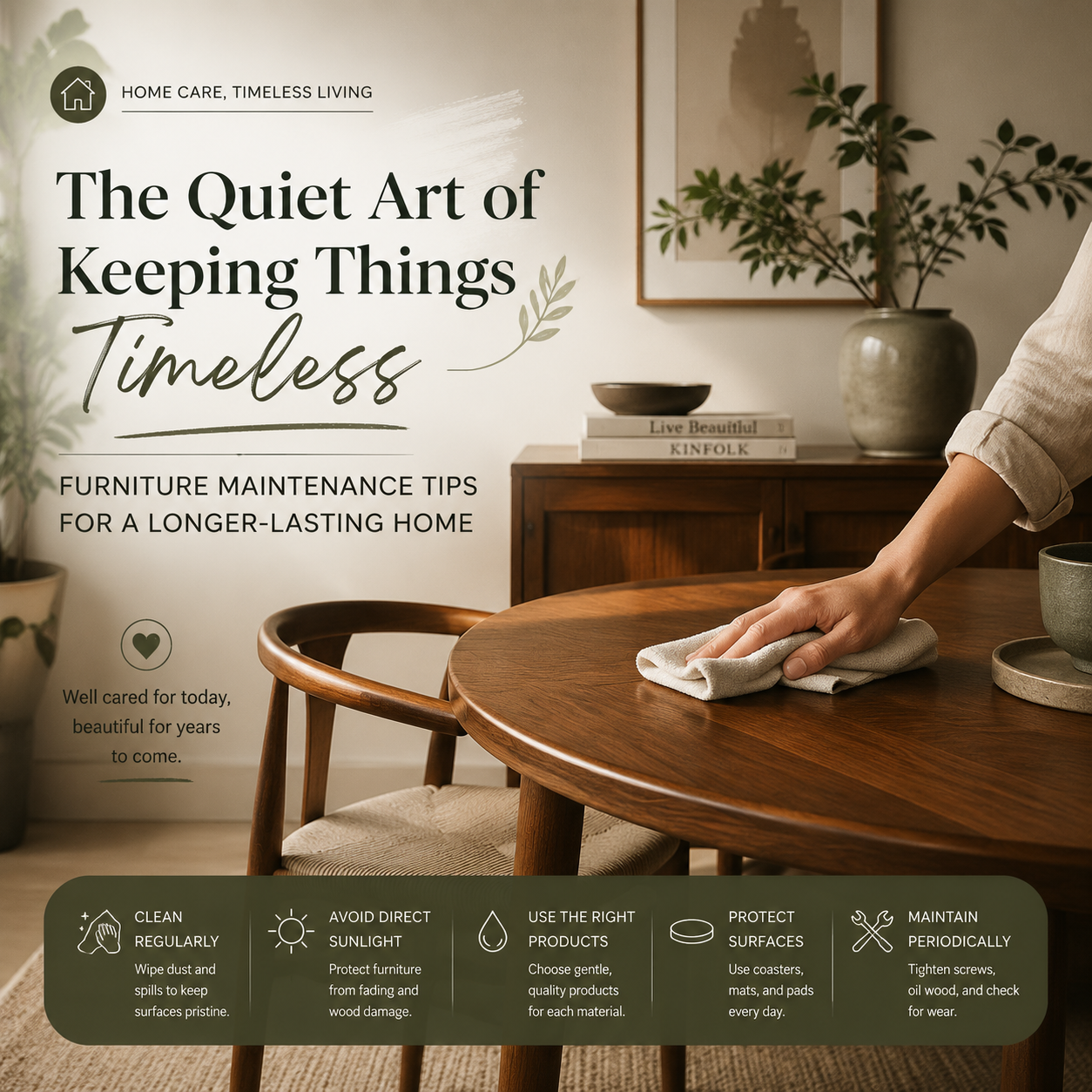
The Quiet Art of Keeping Things Timeless: Furniture Maintenance Tips for a Longer-Lasting Home is more than just a phrase—it reflects how everyday care can completely change how your living space ages over time. Most furniture doesn’t fail suddenly; it slowly degrades due to small habits we ignore. That’s where mindful upkeep becomes a silent game-changer in home design and durability. – shultzrefinishing
Why Furniture Care Matters More Than You Think
Furniture is not just decoration; it’s functional infrastructure. Every chair, table, and sofa carries daily pressure—literally and environmentally. Without proper care, even premium materials lose integrity faster than expected.
From a scientific perspective, materials like wood undergo lignin breakdown, while fabrics experience fiber fatigue due to repeated stress and humidity changes. In simple terms: neglect speeds up natural aging.
Understanding Materials Before You Start Cleaning
Not all furniture behaves the same. Knowing the material is the first step to preventing damage.
Wood-Based Furniture
Wood reacts strongly to moisture and heat. It expands, contracts, and eventually warps if unmanaged.
Metal Frames
Metal is durable but not invincible. Oxidation and corrosion can still appear, especially in humid environments.
Upholstered Pieces
Fabric furniture absorbs dust, sweat, and microscopic particles that slowly degrade fibers.
Composite Materials
Engineered wood or MDF reacts quickly to water exposure and needs gentler handling than solid wood.
Daily Habits That Prevent Long-Term Damage
Small habits create long-term results. These are simple but often ignored:
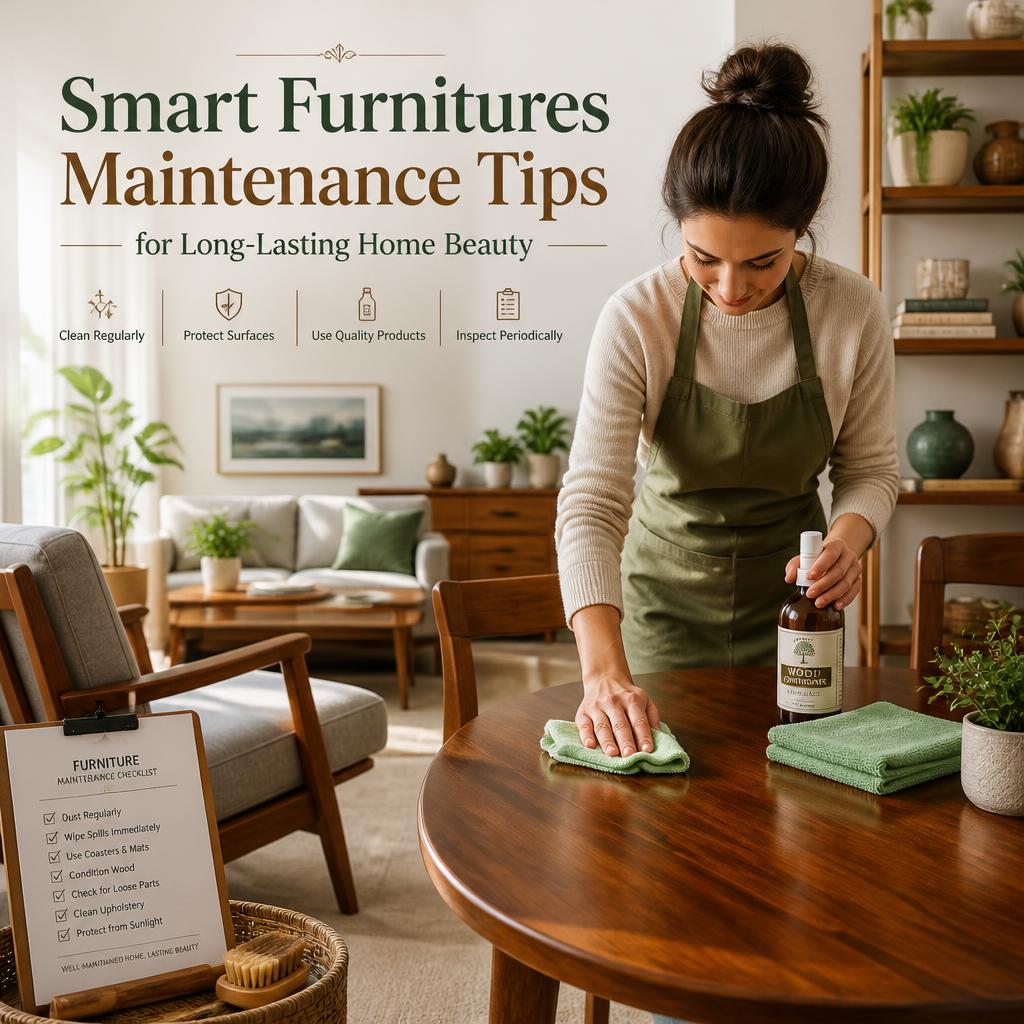
- Wipe surfaces after use
- Avoid placing hot objects directly on tables
- Rotate cushions weekly
- Keep sharp objects away from soft surfaces
These micro-actions reduce stress accumulation on materials and significantly extend lifespan.
Deep Cleaning Techniques That Actually Work
Surface cleaning is not enough. Deep cleaning removes embedded particles that slowly damage structure.
For wood, use a slightly damp microfiber cloth followed by immediate drying. For fabric, vacuuming with a HEPA filter helps reduce particulate matter buildup. Metal surfaces benefit from anti-rust polishing agents applied periodically.
The key is consistency, not intensity.
Seasonal Maintenance Strategy for Better Longevity
Furniture responds differently across seasons due to temperature and humidity shifts.
What Happens Seasonally?
- Dry season: Wood shrinks and may crack
- Rainy season: Moisture absorption increases
- Cold periods: Adhesives weaken slightly
Who Should Do It?
Homeowners, renters, and even office managers benefit from seasonal checks.
Where to Focus?
Focus on high-contact furniture like sofas, dining tables, and bed frames.
When to Act?
Every 3–4 months is ideal.
Why It Matters
Because environmental stress is the silent killer of furniture durability.
How to Do It?
Use protective coatings, humidity control devices, and reposition furniture away from direct sunlight.
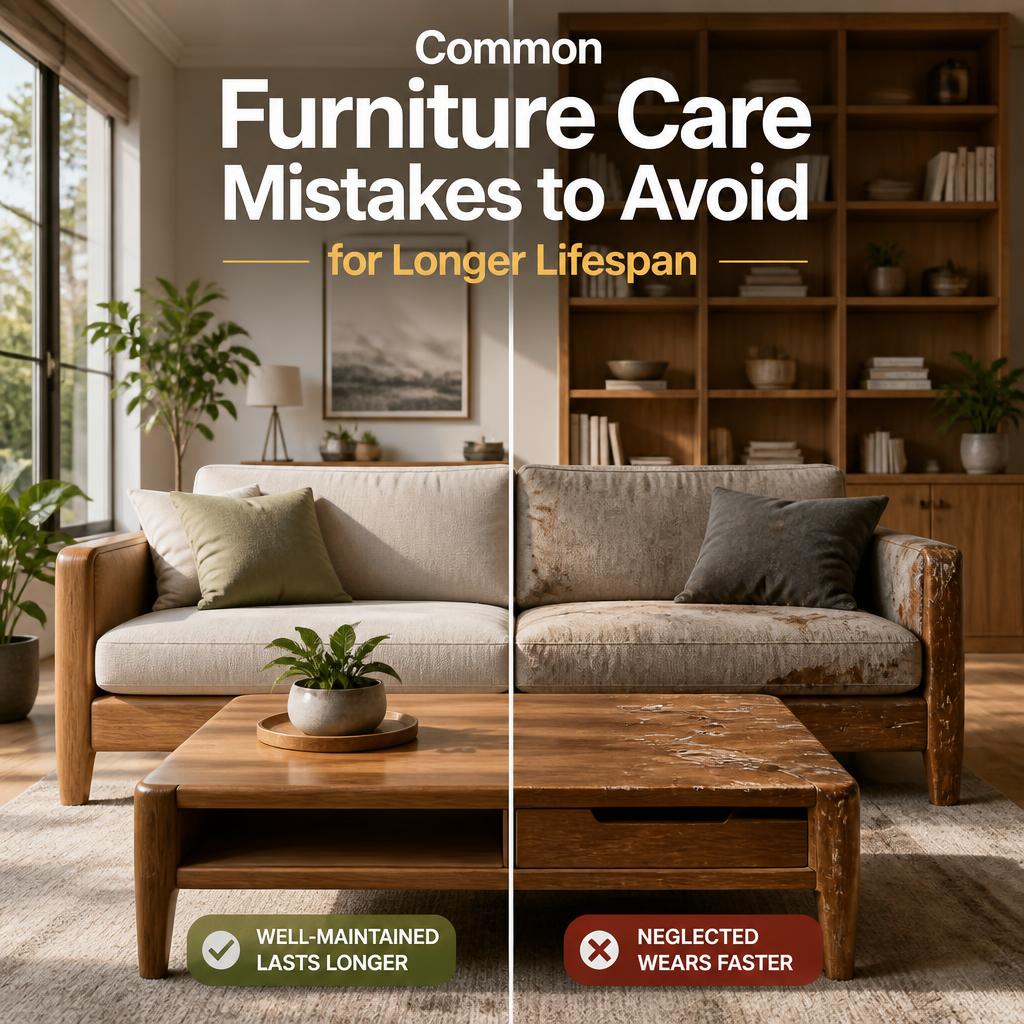
Common Mistakes That Shorten Furniture Lifespan
Many people unintentionally damage their furniture through daily habits:
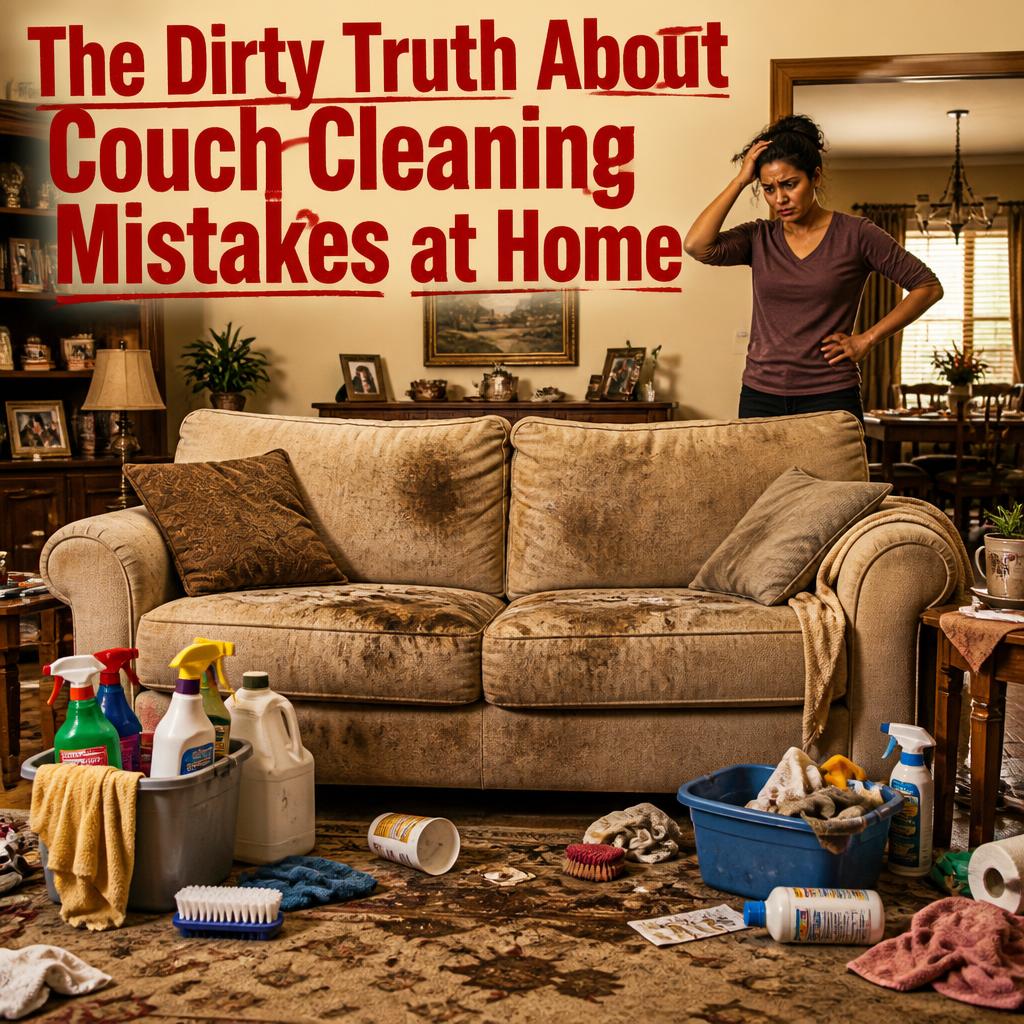
- Using harsh chemical cleaners
- Dragging furniture instead of lifting
- Ignoring small scratches until they spread
- Overexposing furniture to sunlight
These actions create micro-damage that compounds over time.
Smart Storage and Environmental Control
Furniture longevity is heavily influenced by its environment.
Humidity between 40%–60% is ideal for most indoor furniture. Air circulation also plays a crucial role in preventing mold and material fatigue. Using silica gel packs in storage areas can reduce moisture accumulation.
Temperature stability is equally important—sudden changes stress material fibers and joints.
When Repairs Are Better Than Replacement
Not every damaged item should be replaced. Sometimes restoration is the smarter choice.
Scratches, loose joints, and faded finishes are often reversible with basic restoration techniques. However, structural damage like broken frames may require professional intervention.
The decision usually depends on repair cost versus replacement value.
Professional Care vs DIY Approach
Both approaches have value depending on the situation.
DIY care works best for routine cleaning and minor fixes. It saves cost and builds awareness of material condition.
Professional servicing, however, is ideal for:
- Deep restoration
- Structural repair
- Antique preservation
Experts use specialized tools and chemical treatments that are not typically available for home use.
Integrating Smart Maintenance Into Everyday Living
At this stage, maintenance becomes less of a task and more of a lifestyle habit. This is where Furniture Maintenance Tips become practically useful in real life, especially when applied consistently across different furniture types. Instead of reacting to damage, you start preventing it naturally through observation and routine care.
This proactive mindset shifts furniture from being “consumed” to being “preserved.”
Environmental Science Behind Furniture Longevity
Modern material science shows that furniture degradation is largely caused by oxidation, UV exposure, and moisture imbalance. Photodegradation, for example, breaks down pigments in fabrics and finishes when exposed to sunlight over time.
Understanding these mechanisms helps in choosing better placement and protection strategies inside the home.
Simple Upgrades That Make a Big Difference
Sometimes, small upgrades outperform expensive replacements:
- Adding felt pads under chair legs
- Using protective table covers
- Installing UV-blocking curtains
- Applying natural wax coatings on wood
These enhancements reduce friction, heat exposure, and surface wear.
Psychology of Care: Why People Neglect Furniture
Interestingly, furniture care is often influenced by psychology. When damage is not immediately visible, the brain tends to deprioritize maintenance. This leads to delayed action and bigger repairs later.
Building a habit loop—observe, clean, protect—helps counter this natural neglect tendency.
Practical Routine You Can Follow Weekly
A simple structure keeps everything manageable:
- Monday: Surface wipe-down
- Wednesday: Fabric vacuuming
- Friday: Quick inspection for damage
- Weekend: Rotation and repositioning
Consistency beats intensity in furniture care.
Building a Home That Ages Gracefully
A well-maintained home is not built overnight; it is shaped through small decisions repeated over time. Understanding materials, adjusting habits, and applying consistent care turns ordinary living spaces into long-lasting environments.
When applied correctly, these principles ensure that Furniture Maintenance Tips become more than guidance—they become a lifestyle that preserves comfort, value, and aesthetic balance for years to come.