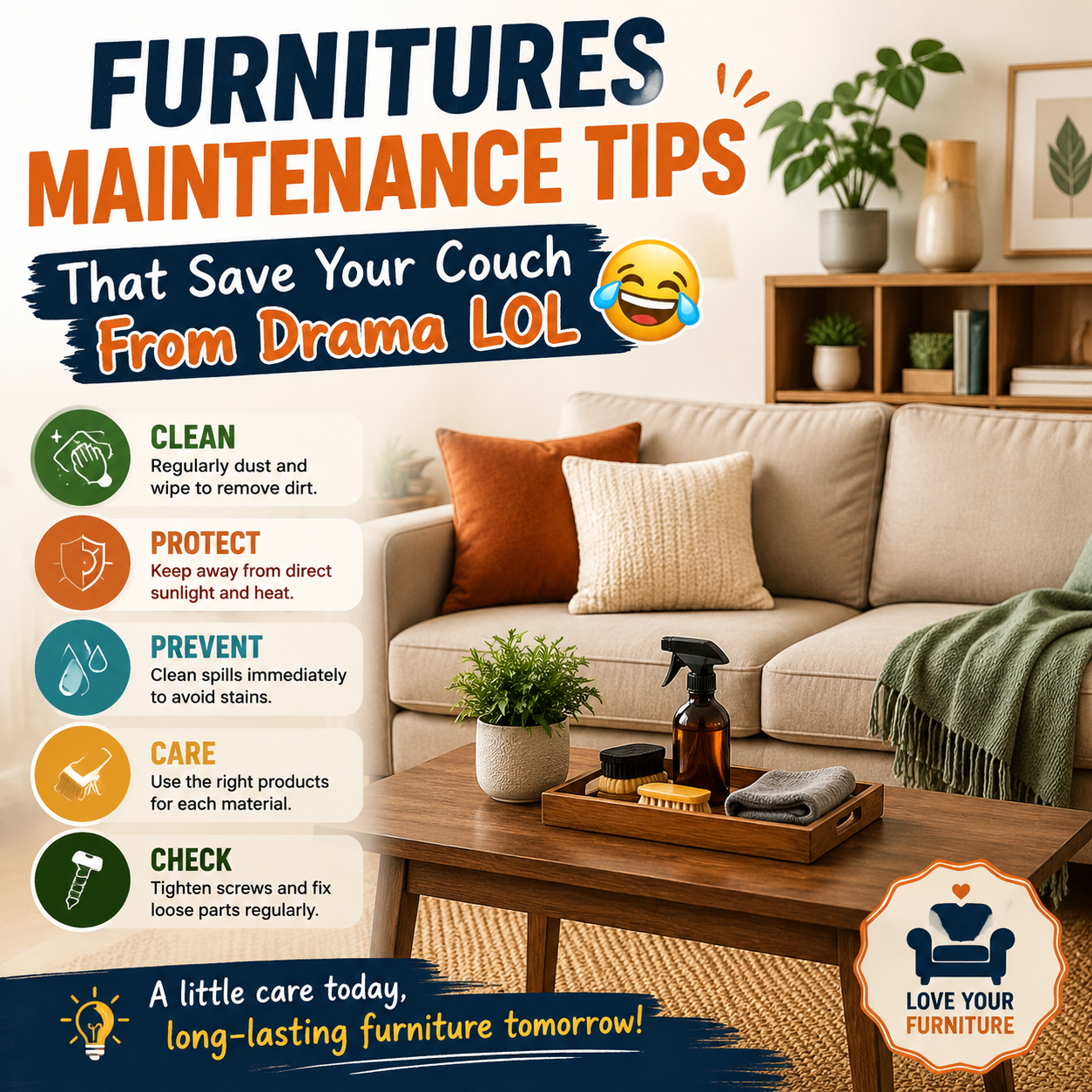
shultzrefinishing – Furnitures Maintenance Tips That Save Your Couch From Drama LOL is a practical guide that helps you keep your home furniture in top condition without turning it into a complicated chore. Whether you’re dealing with a wooden table, a fabric sofa, or a leather chair, proper care plays a huge role in extending lifespan and maintaining aesthetics.
Why Furniture Maintenance Actually Matters
Furniture isn’t just decoration—it’s part of daily life. Every sit, scratch, spill, and temperature shift slowly changes its structure over time.
What Happens Without Proper Care
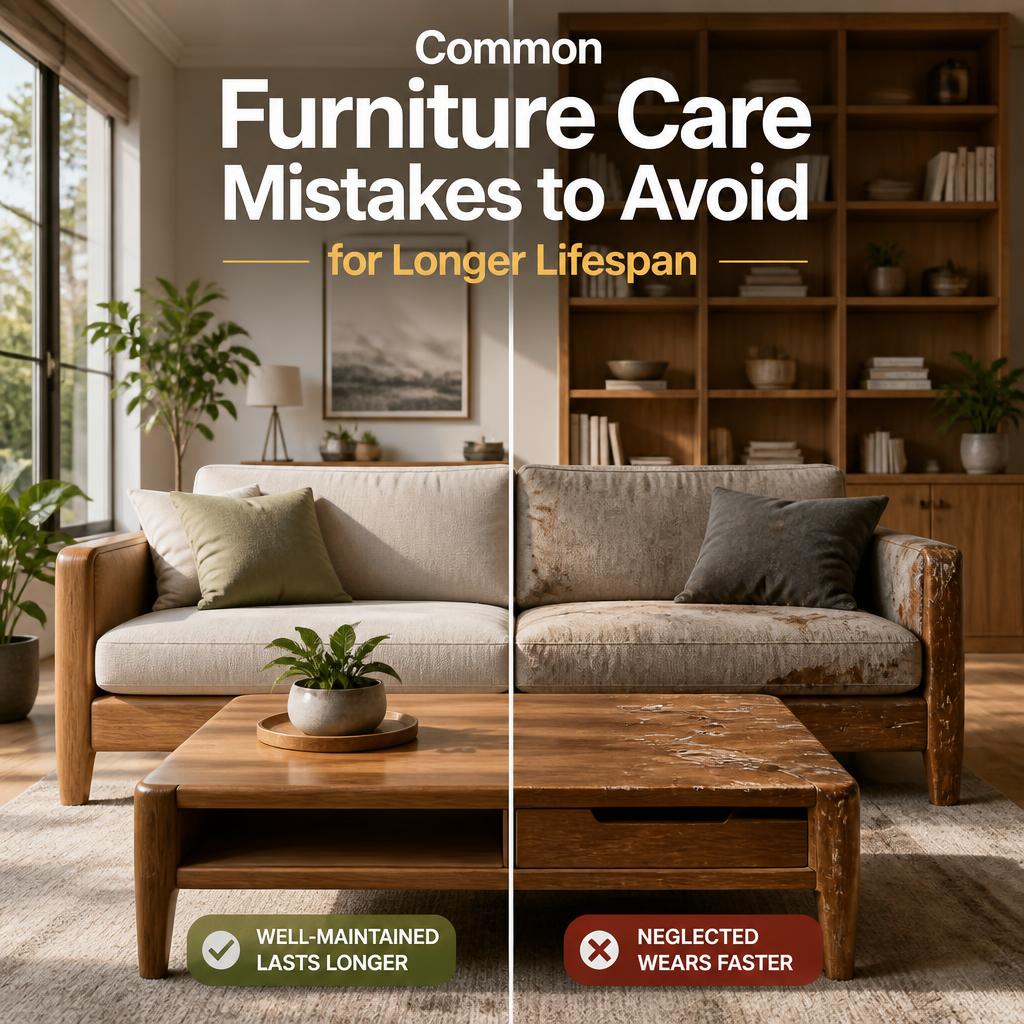
Without regular maintenance, materials begin to degrade through oxidation, moisture absorption, and surface abrasion. Wood can warp, fabric can weaken, and leather can dry out and crack. These changes don’t happen overnight—they build gradually like a silent process.
Scientific Wear and Tear Mechanisms
At a microscopic level, fibers in upholstery break due to friction, while wood loses its natural oils. This is why untreated furniture often looks “tired” even if it isn’t that old.
Who Needs Furniture Maintenance?
The short answer: everyone.
Homeowners vs Renters
Homeowners usually invest in long-term furniture, so maintenance becomes essential for value preservation. Renters, on the other hand, often need quick and reversible care solutions that don’t require heavy restoration work.
Where Damage Usually Starts
Most furniture damage begins in areas you use the most.
High-Contact Zones
Armrests, seat cushions, table edges, and drawer handles are the first to show signs of wear. These zones experience constant pressure and friction, making them vulnerable to structural fatigue.
When Should You Maintain Furniture?
Timing matters more than people realize.
Seasonal Maintenance Cycles
Humidity in summer and dryness in winter affect materials differently. Wood expands in moisture and contracts in dry air, while leather becomes brittle in low humidity. Ideally, maintenance should follow seasonal transitions.
How to Clean Different Furniture Materials
Each material requires a unique approach.
Wood Furniture Care
Use microfiber cloths and mild pH-neutral cleaners. Avoid excessive water because it disrupts the lignin structure inside the wood.
Leather Maintenance
Apply conditioner regularly to preserve elasticity. Leather behaves like human skin—it needs hydration to avoid cracking.
Fabric Upholstery Cleaning
Vacuuming helps remove dust particles that embed deep into fibers. For stains, use enzyme-based cleaners that break down organic compounds efficiently.
Smart Preventive Techniques for Long-Term Use
Prevention always beats repair.
Environmental Control
Maintain indoor humidity between 40–55% to stabilize material behavior. This prevents expansion and contraction cycles that weaken joints over time.
In fact, the role of Furnitures Maintenance Tips becomes even more important when you consider how environmental stress accelerates microscopic damage in everyday furniture. Small habits like repositioning furniture away from direct sunlight or rotating cushions regularly can significantly slow down deterioration without requiring expensive restoration work.
DIY Restoration Hacks That Actually Work
Sometimes you don’t need a professional—just the right technique.
Scratch and Surface Repair
Wood scratches can be masked using natural oils or wax sticks. For deeper dents, steam treatment helps relax compressed fibers and restore shape.
Fabric Refresh Techniques
Baking soda helps neutralize odor molecules trapped inside fabric layers, while gentle brushing restores texture alignment.
Advanced Protection Methods for Modern Homes
Modern homes use smarter protection systems.
Protective Coatings and Sealants
Nano-coatings form invisible layers that repel water and dust. These hydrophobic treatments reduce stain absorption significantly.
Anti-Microbial Furniture Technology
Some newer materials include silver-ion coatings that reduce bacterial growth, especially useful for high-use surfaces like sofas and dining chairs.
Practical Daily Habits That Make a Big Difference
Small habits often create the biggest impact.
- Rotate cushions every week
- Avoid dragging furniture across floors
- Clean spills immediately instead of letting them dry
- Keep pets’ claws trimmed to reduce surface damage
These simple actions reduce long-term structural stress and keep furniture looking newer for longer.
Common Mistakes People Make
Many people unknowingly damage their furniture through routine habits.
Using Harsh Chemicals
Bleach-based cleaners can break down protective finishes and weaken surface coatings.
Ignoring Early Signs of Damage
Small cracks, loose joints, or faded areas often indicate deeper structural issues. Ignoring them leads to expensive repairs later.
Quick Science Behind Furniture Longevity
Furniture durability depends on material science. Wood behaves as an anisotropic material, meaning its strength varies by direction. Fabric fibers undergo tensile stress, while leather experiences elastic fatigue over time.
Understanding these behaviors helps you apply better care routines without guesswork.
Taking care of furniture isn’t about perfection—it’s about consistency. When you understand materials, environment, and daily habits, maintenance becomes effortless and almost automatic.
At the end of the day, Furnitures Maintenance Tips That Save Your Couch From Drama LOL is more than just a quirky idea—it’s a reminder that small actions today prevent big problems tomorrow, keeping your home comfortable, stylish, and long-lasting.