Discover practical techniques, expert tips, and proven methods to transform worn furniture into beautiful statement pieces without sacrificing character.
What Makes Furniture Restoration Worth the Effort?
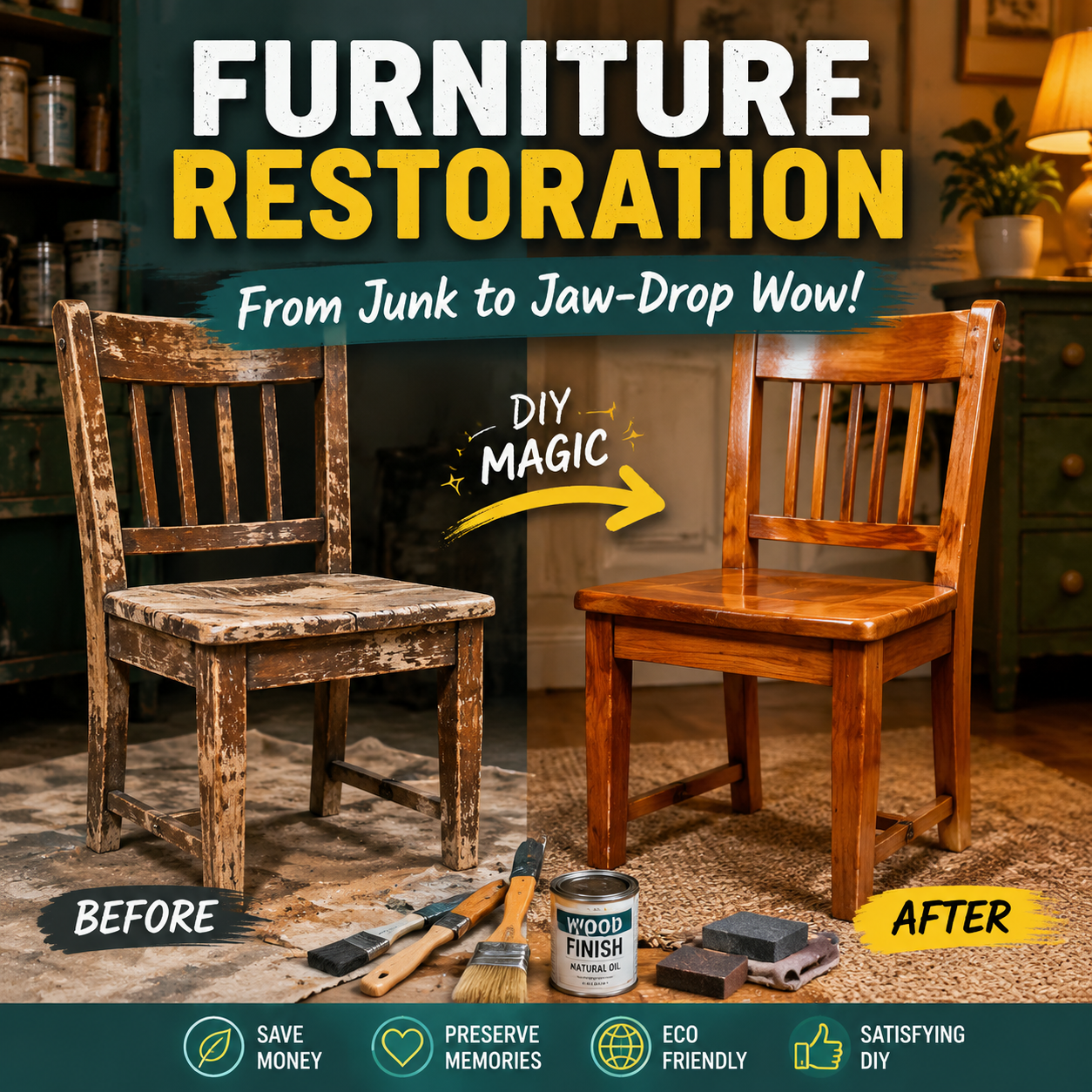
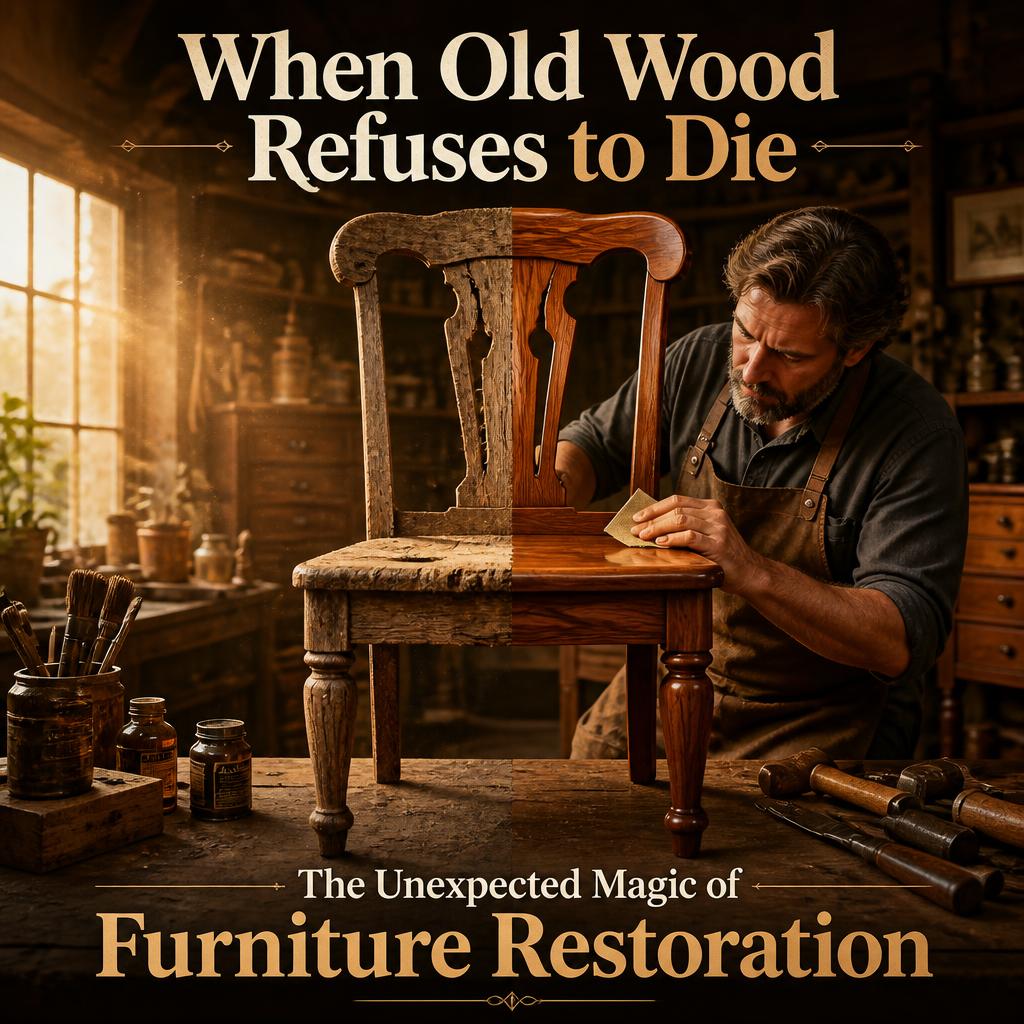
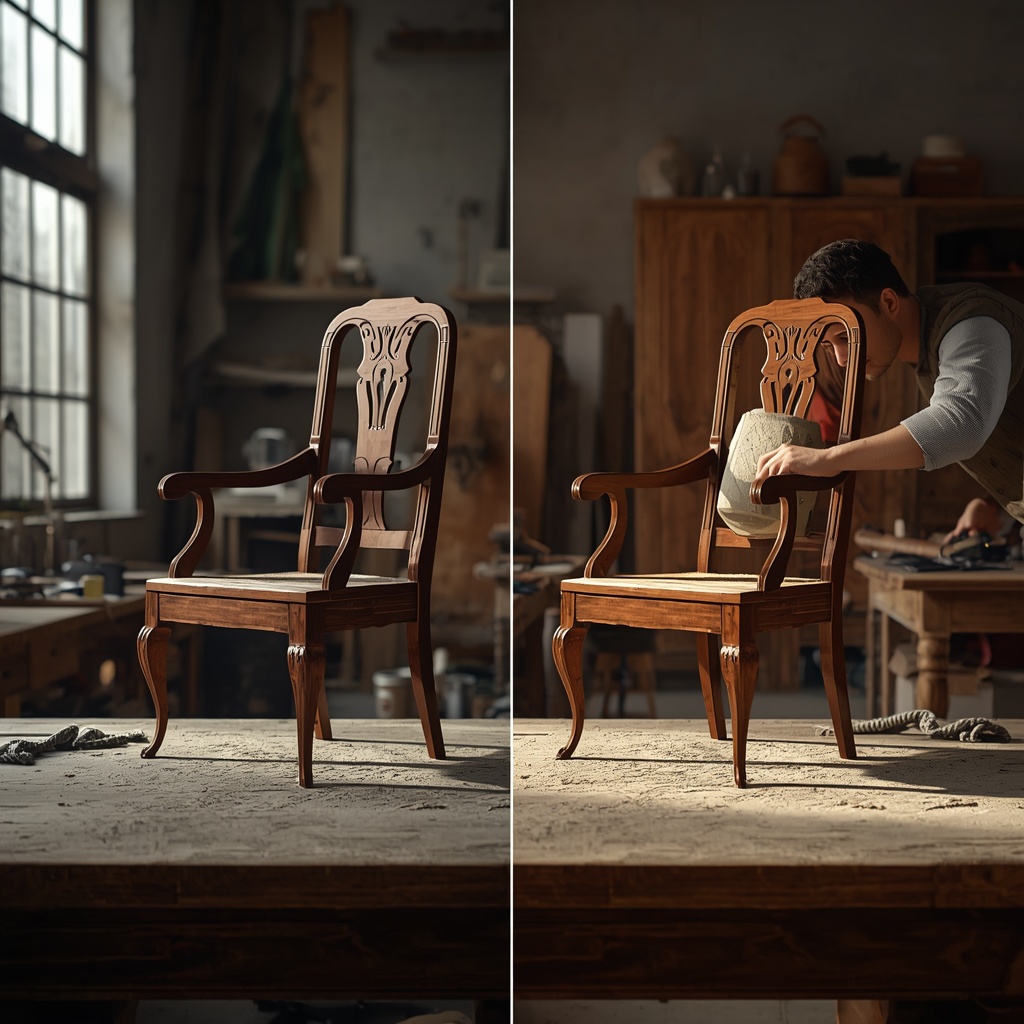
Furniture Restoration is more than repairing old furniture. It involves preserving craftsmanship, extending product life, and giving treasured pieces a fresh purpose. Whether you own a vintage cabinet, antique dining table, or inherited dresser, restoration can dramatically improve both appearance and functionality. – shultzrefinishing
Unlike replacing furniture, restoration maintains the original charm while often costing less than purchasing high-quality new pieces.
Why More Homeowners Are Restoring Instead of Replacing
Modern furniture can be convenient, but many older pieces feature superior materials and construction methods.
Benefits include:
- Preserving sentimental value
- Reducing waste and supporting sustainability
- Saving money on premium-quality furniture
- Maintaining unique design elements
- Increasing the lifespan of valuable pieces
As a result, restoration has become a popular choice among homeowners, collectors, and interior designers.
Understanding Different Types of Furniture Restoration
Structural Restoration
Structural work focuses on stability and safety. This process may include repairing loose joints, replacing damaged supports, or reinforcing weakened frames.
Cosmetic Restoration
Cosmetic improvements address scratches, dents, faded finishes, and surface imperfections. The goal is to improve appearance while preserving authenticity.
Complete Refinishing
Refinishing involves stripping old finishes and applying new stains, paints, or protective coatings. This approach is ideal for heavily worn furniture.
Signs a Piece Is a Good Restoration Candidate
Not every item deserves restoration. Before starting, evaluate the furniture carefully.
Strong Construction
Furniture made from solid wood generally responds well to restoration. Oak, walnut, maple, and mahogany are particularly valuable materials.
Historical or Sentimental Value
Pieces connected to family history or specific design periods often justify the investment.
Repairable Damage
Surface scratches, faded finishes, and loose joints are usually manageable. Extensive rot or severe structural failure may require professional assessment.
Essential Tools for Successful Restoration
Basic Equipment
A beginner can start with:
- Sandpaper in multiple grits
- Wood filler
- Paint brushes
- Screwdrivers
- Clamps
- Wood glue
- Protective gloves
Having quality tools improves efficiency and helps achieve professional-looking results.
Safety Matters First
Always work in a well-ventilated area. Additionally, wear eye protection and a dust mask when sanding or stripping old finishes.
How to Clean Furniture Before Restoration
Cleaning is often overlooked, yet it significantly impacts the final result.
Begin by removing dust with a soft cloth. Next, use a mild cleaning solution to eliminate grease, dirt, and residue. Allow the surface to dry completely before making repairs.
Many pieces appear dramatically better after thorough cleaning alone.
The Step-by-Step Restoration Process
Inspect and Document
Examine every component carefully. Take photos before beginning so you can track progress and reference original details.
Repair Damage
Address loose joints, missing hardware, and minor cracks. Completing structural repairs first creates a stable foundation.
Sand the Surface
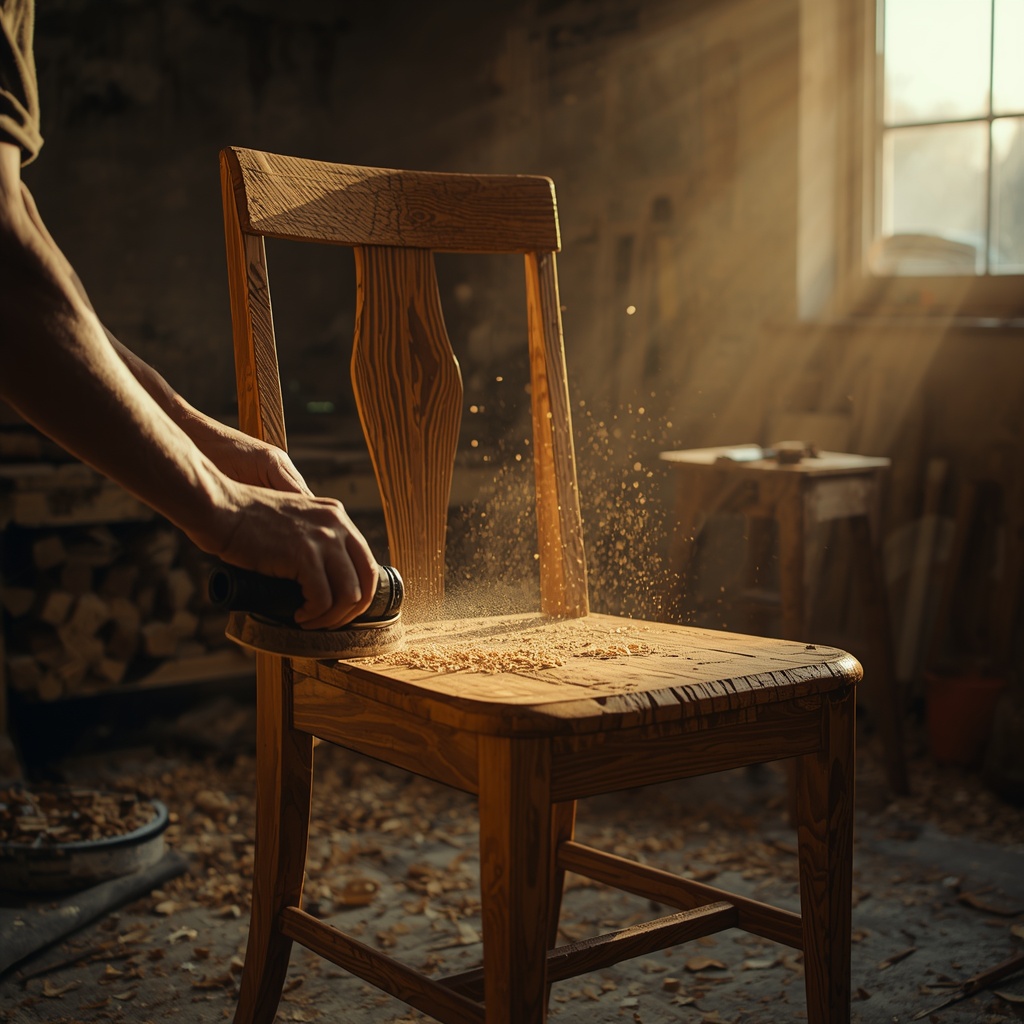
Sanding removes imperfections and prepares the surface for finishing. Work gradually through different grit levels for smooth results.
Apply the Finish
Choose paint, stain, oil, or varnish depending on the desired look. Apply thin, even coats and allow adequate drying time between applications.
Common Mistakes That Reduce Restoration Quality
Many beginners rush the process and create avoidable problems.
Skipping Preparation
Poor cleaning and insufficient sanding often lead to uneven finishes.
Using the Wrong Products
Different wood species react differently to stains and finishes. Always test products on a hidden section first.
Over-Restoring Antiques
Excessive refinishing can reduce the value of genuine antiques. In some cases, preserving patina is more desirable than creating a brand-new appearance.
Best Furniture Pieces to Restore
Dining Tables
Dining tables frequently feature durable construction and large restoration potential.
Dressers and Cabinets
These items often require only moderate repairs to achieve dramatic visual improvements.
Chairs
Although chairs can be challenging due to multiple joints, they are excellent projects for learning restoration techniques.
For deeper insights into preserving vintage wood surfaces, many enthusiasts explore professional antique furniture refinishing techniques to achieve lasting results.
Sustainability Benefits of Furniture Restoration
Restoring furniture keeps valuable materials out of landfills and reduces demand for new manufacturing.
Furthermore, extending product life decreases resource consumption and minimizes environmental impact. For environmentally conscious homeowners, restoration offers both aesthetic and ecological advantages.
When Should You Hire a Professional?
Certain projects benefit from expert assistance.
Consider professional help when dealing with:
- Valuable antiques
- Extensive water damage
- Complex carvings
- Veneer restoration
- Historical preservation projects
Professional restorers possess specialized tools and experience that can protect valuable pieces from accidental damage.
Frequently Asked Questions
What is the difference between furniture restoration and refinishing?
Restoration focuses on returning furniture to a functional and attractive condition while preserving original character. Refinishing specifically involves replacing or renewing the surface finish.
How long does furniture restoration take?
The timeline depends on the project’s complexity. Simple restorations may take a weekend, while extensive projects can require several weeks.
Can beginners restore furniture successfully?
Yes. Many basic restoration projects require only patience, proper tools, and attention to detail.
Is restoring furniture cheaper than buying new furniture?
In many cases, yes. Especially when restoring solid wood furniture, the total cost is often lower than purchasing comparable high-quality replacements.
Which wood types are easiest to restore?
Oak, maple, pine, walnut, and mahogany are generally excellent candidates because of their durability and repairability.
Furniture Restoration Secrets That Bring Old Pieces Back Fast demonstrates how worn furniture can become beautiful and functional again through careful planning, proper techniques, and consistent attention to detail. Whether you’re preserving a family heirloom or reviving a thrift-store find, furniture restoration offers a rewarding way to protect craftsmanship, reduce waste, and create unique pieces that continue serving your home for years to come.