A Quiet Craft That Brings Stories Back to Life
shultzrefinishing – Old chairs, scratched tables, faded cabinets—each one carries a silent history. In many homes, these pieces get pushed aside or replaced without a second thought. But there is a slower, more intentional path that turns worn-out furniture into something meaningful again. That path is rooted in careful craftsmanship, patience, and an eye for detail that sees value where others see waste.
What Furniture Restoration Really Means
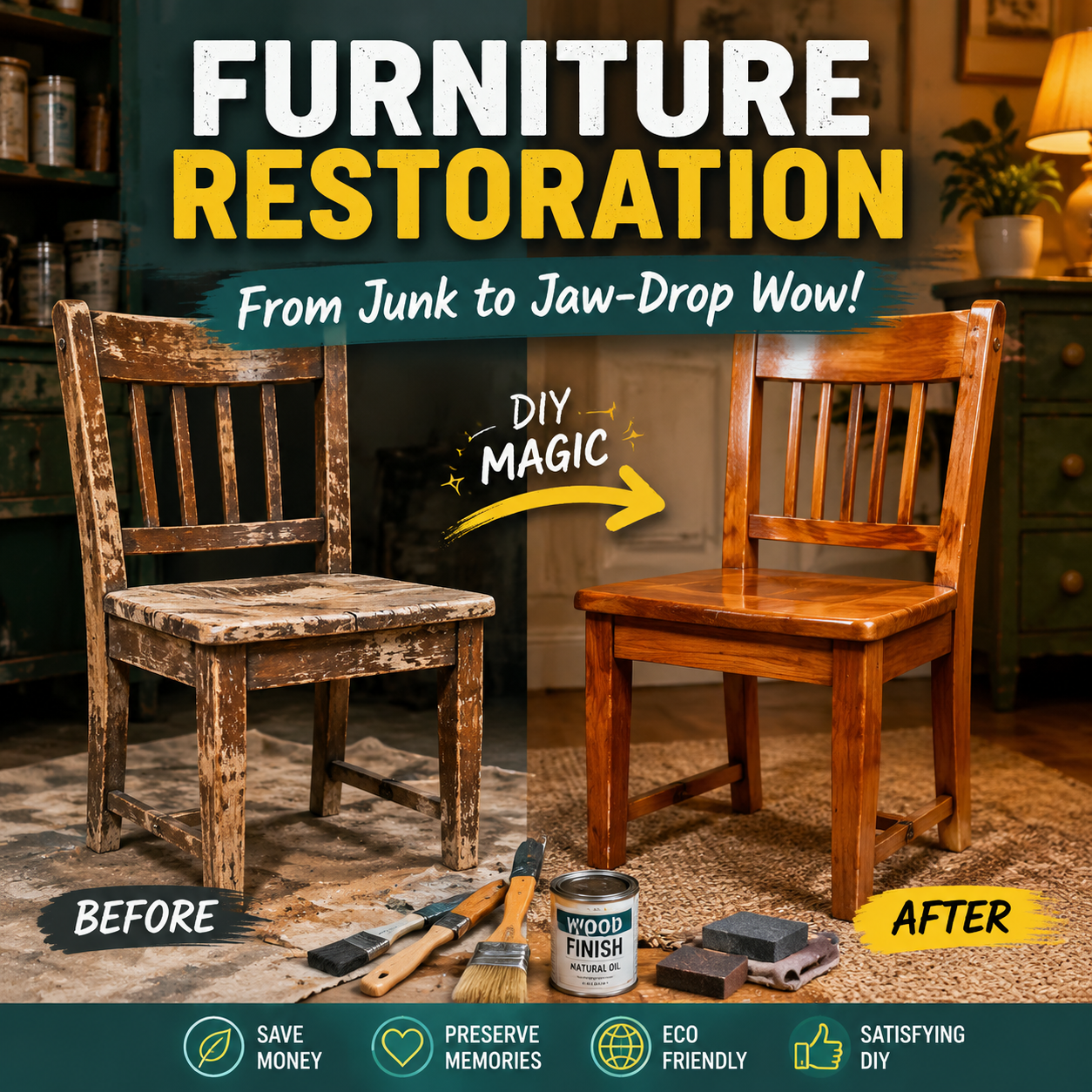
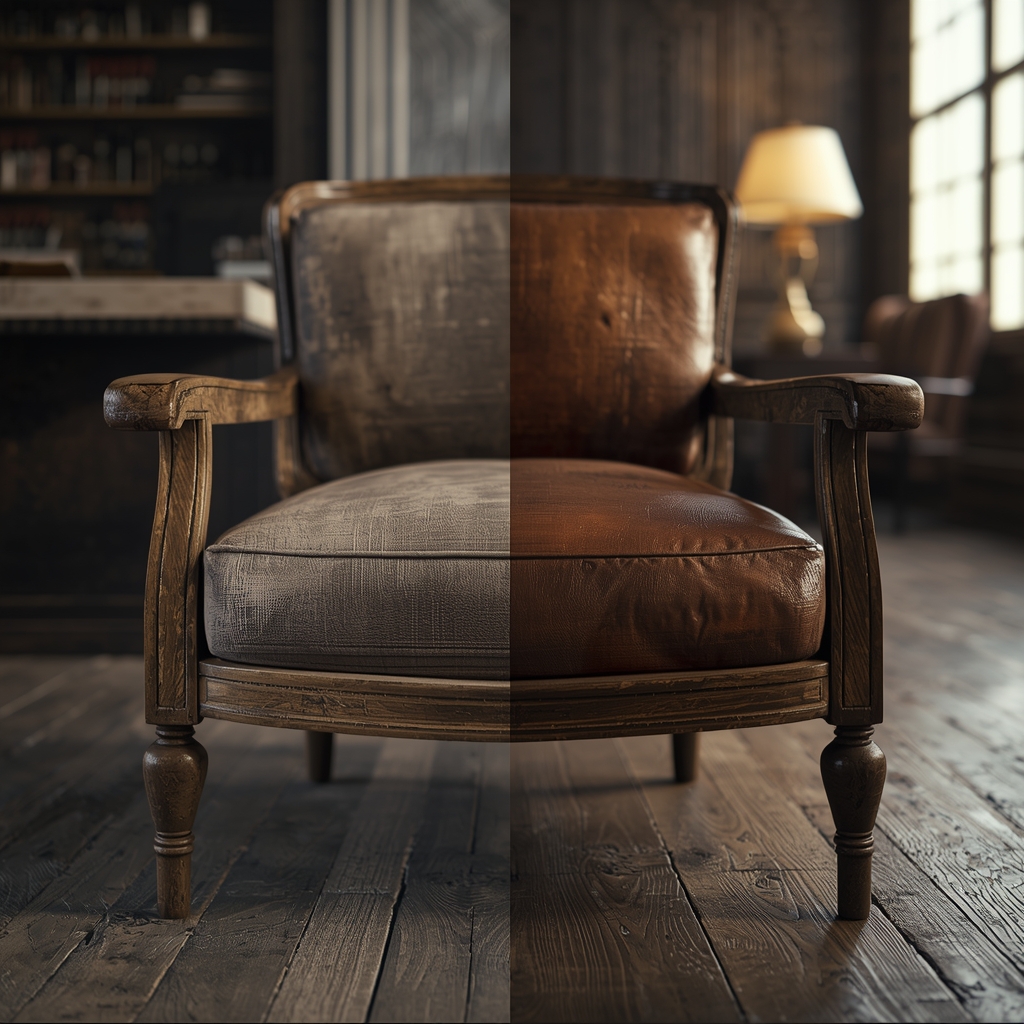
Furniture restoration is the process of repairing, refinishing, and reviving old or damaged furniture while preserving its original character. It is not about making something look “new,” but about making it functional and beautiful again without erasing its past.
The Balance Between Repair and Preservation
Restorers walk a fine line. Too much intervention destroys authenticity, while too little leaves damage unresolved. The goal is harmony—keeping the soul of the piece intact while improving its structure.
Materials That Tell Time
Wood types like oak, teak, mahogany, and pine each age differently. Understanding grain behavior, moisture response, and surface wear is essential in deciding how far restoration should go.
Why This Craft Still Matters Today
In a world dominated by fast consumption, restoring furniture is an act of resistance. It reduces waste, preserves craftsmanship, and often saves money compared to buying new items.
Environmental Impact
Reusing furniture reduces landfill waste and lowers demand for new raw materials. This connects directly to sustainability principles in modern design thinking.
Emotional Value
A dining table might carry decades of family memories. Restoring it is not just physical repair—it is emotional continuity.
Where Furniture Restoration Happens
Restoration doesn’t have a single fixed location. It can take place in professional workshops, small home garages, or even outdoor spaces depending on the scale of work.
Professional Studios
These spaces are equipped with precision tools, controlled humidity environments, and specialized finishing stations.
DIY Home Setups
Many enthusiasts start small, using basic tools like sandpaper, brushes, and natural oils in their own homes.
When a Piece Needs Restoration
Not every scratch means intervention is needed. Knowing the right timing is part of the skill.
Structural Weakness
If joints are loose or wood is cracking, restoration becomes necessary.
Surface Aging
Fading color, minor scratches, and dull finishes often indicate cosmetic restoration needs rather than full repair.
The Step-by-Step Restoration Journey
Restoring furniture is a layered process that combines observation, technique, and patience.
Step 1 – Inspection and Assessment
Every piece is studied for damage, wood type, and previous repairs.
Step 2 – Cleaning and Preparation
Dust, old polish, and grime are removed using gentle solvents.
Step 3 – Repair and Reinforcement
Broken joints are glued, missing parts are reconstructed, and weak areas are stabilized.
Step 4 – Surface Refinishing
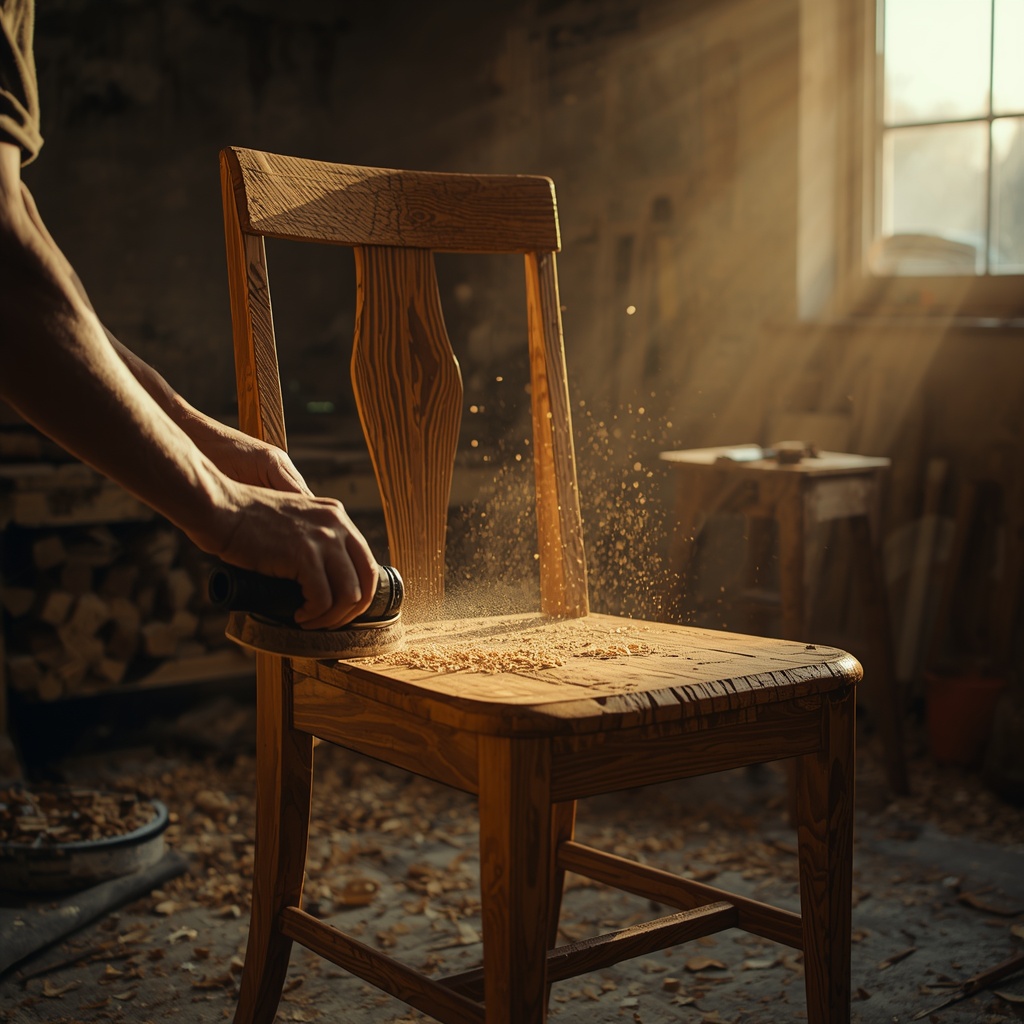
Sanding and refinishing bring back texture and color balance.
Tools and Materials Used in Restoration
The craft relies on both traditional and modern tools.
Hand Tools
Chisels, clamps, scrapers, and carving knives remain essential.
Finishing Materials
Natural oils, shellac, varnish, and eco-friendly stains are commonly used to protect surfaces.
The Science Behind Restoring Wood
Restoration is not only artistic—it is deeply scientific. Wood is a living material even after it is cut, reacting to humidity, temperature, and pressure.
Chemical Reactions in Finishes
Solvents and coatings interact with lignin and cellulose structures in wood, changing its texture and durability.
Aging and Oxidation
Over time, oxygen exposure darkens wood surfaces, creating patina that many restorers aim to preserve rather than remove.
Understanding the Core of the Craft
At the heart of it all lies Furniture Restoration, a discipline that blends craftsmanship, patience, and scientific understanding into a single creative process. It is where damaged wood is not seen as waste but as a base for transformation, where scratches become stories rather than flaws.
Common Mistakes Beginners Make
Many new restorers rush the process, leading to irreversible damage.
Over-Sanding
Removing too much material weakens the structure and erases historical value.
Wrong Finish Selection
Using modern synthetic finishes on antique wood can reduce authenticity and resale value.
Modern Trends in Furniture Revival
Digital tools, eco-friendly coatings, and hybrid design approaches are shaping the future of restoration.
Sustainable Design Movement
Designers now prioritize reusing materials over producing new ones.
Minimal Intervention Philosophy
Less is more—keeping original imperfections is becoming a respected aesthetic choice.
Cultural Value of Restored Furniture
Different cultures treat old furniture differently. In some regions, aged wood is considered sacred, while in others, it is purely functional. Restoration bridges these perspectives by giving old objects renewed dignity.
✔ Furniture Restoration Secrets That Bring Old Pieces Back Fast
✔ Furniture Restoration Tricks That Make Old Tables Look Luxury
Final Reflection
In the end, restoration is not just about wood, glue, or polish. It is about patience, respect for material history, and the ability to see potential where others see decay. Every restored chair or table becomes a bridge between past and present, carrying forward stories that would otherwise disappear.
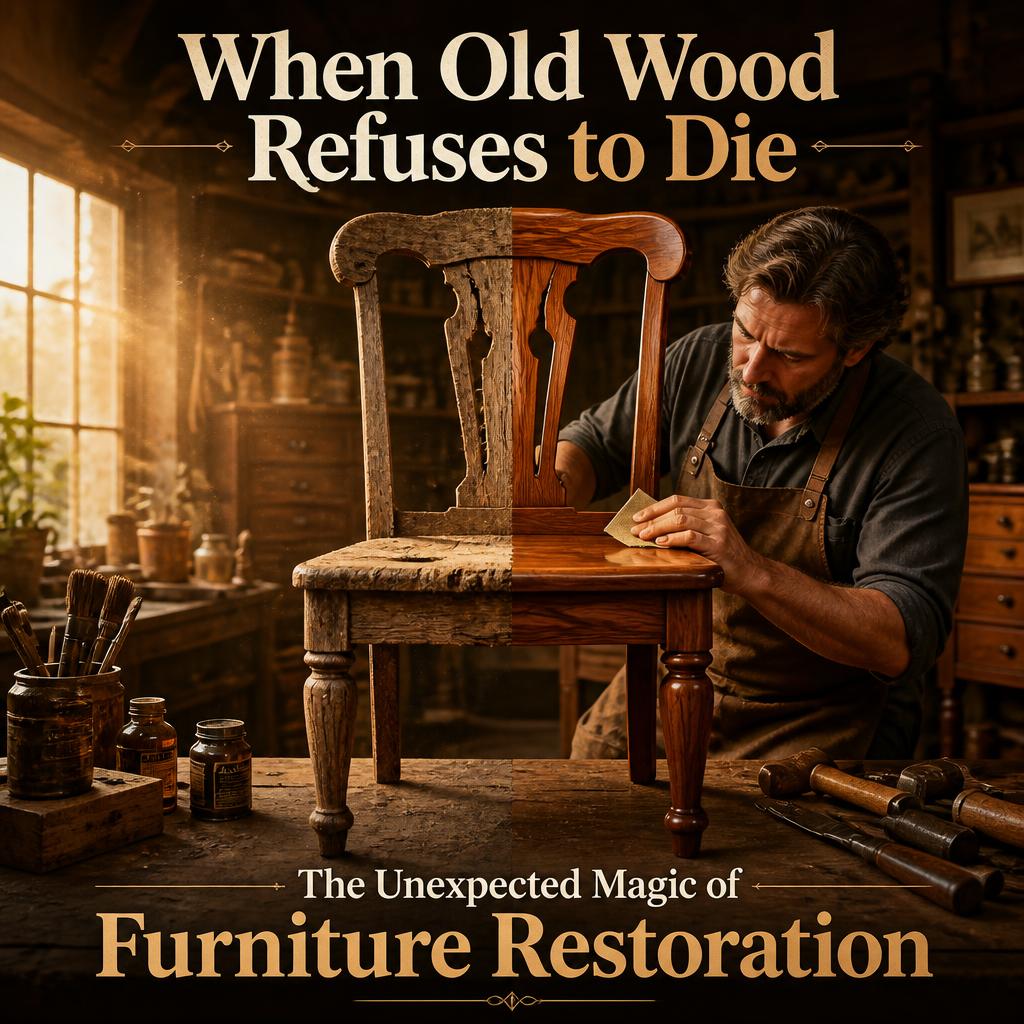
When all is done and the final polish settles, the essence of When Old Wood Refuses to Die: The Unexpected Magic of Furniture Restoration remains alive in every grain, every curve, and every carefully preserved detail.