shultzrefinishing – Furniture Restoration Gone Wild: From Junk to Jaw-Drop Wow DIY kicks off with a simple idea—turning old, tired furniture into something that actually makes people stop and stare. In this guide, everything about Furniture Restoration is broken down in a relaxed, easy-to-follow way so anyone can understand it, even if you’ve never held a paintbrush or sandpaper before. It blends creativity, science, and a bit of patience into one satisfying process that brings forgotten pieces back to life.
What Is Furniture Restoration?
Furniture restoration is the process of repairing, refinishing, and improving old furniture so it can be used again. It’s not just about making things look pretty—it’s about preserving structure, history, and function.
In technical terms, restorers often deal with material conservation, surface chemistry, and wood grain behavior, especially when working with antique items. The goal is balance: keep originality while improving durability.
Who Actually Needs Furniture Restoration?
Honestly, almost everyone benefits from it.
- Homeowners trying to save money
- Interior designers working with vintage aesthetics
- Collectors preserving antique value
- Cafés and hotels wanting unique décor
Even small apartment renters in busy cities like Tokyo or New York often use restoration to personalize space without buying expensive new furniture.
Where Furniture Restoration Is Most Popular
This practice is globally spread, but some hotspots include:
- Europe (especially Italy and France for antiques)
- Japan (minimalist restoration style)
- United States (DIY culture boom)
- Southeast Asia (upcycling movement growing fast)
In urban areas, restoration studios often double as creative workshops where people learn hands-on skills.
When Should You Restore Furniture?
Timing matters more than people think. You should consider restoration when:
- The structure is still solid but the surface is damaged
- Paint or polish is fading
- Wood has scratches, stains, or water damage
- The piece holds sentimental value
If a chair or table starts squeaking like it’s telling stories, that’s usually a good sign it needs attention.
Why Furniture Restoration Is Worth It
There are three main reasons:
Economic Value
Restoring is often cheaper than buying new furniture.
Emotional Value
Family heirlooms carry memories that can’t be replaced.
Environmental Value
It reduces waste and supports sustainability by reusing materials instead of dumping them.
This combination makes restoration both practical and meaningful.
Essential Tools and Materials
Before starting any project, you’ll need a basic toolkit:
Core Tools
- Sandpaper (various grit levels)
- Screwdrivers and clamps
- Wood glue (polyvinyl acetate adhesive)
- Paintbrushes and rollers
Finishing Materials
- Wood stain
- Natural oil finishes like tung oil or linseed oil
- Protective varnish
Safety Gear
- Gloves
- Dust mask
- Eye protection
Step-by-Step Furniture Restoration Process
Restoring furniture isn’t random—it follows a structured flow.
Step 1: Inspection
Check cracks, loose joints, and surface damage.
Step 2: Cleaning
Remove dirt, grease, and old wax using mild soap or specialized cleaners.
Step 3: Sanding and Surface Prep
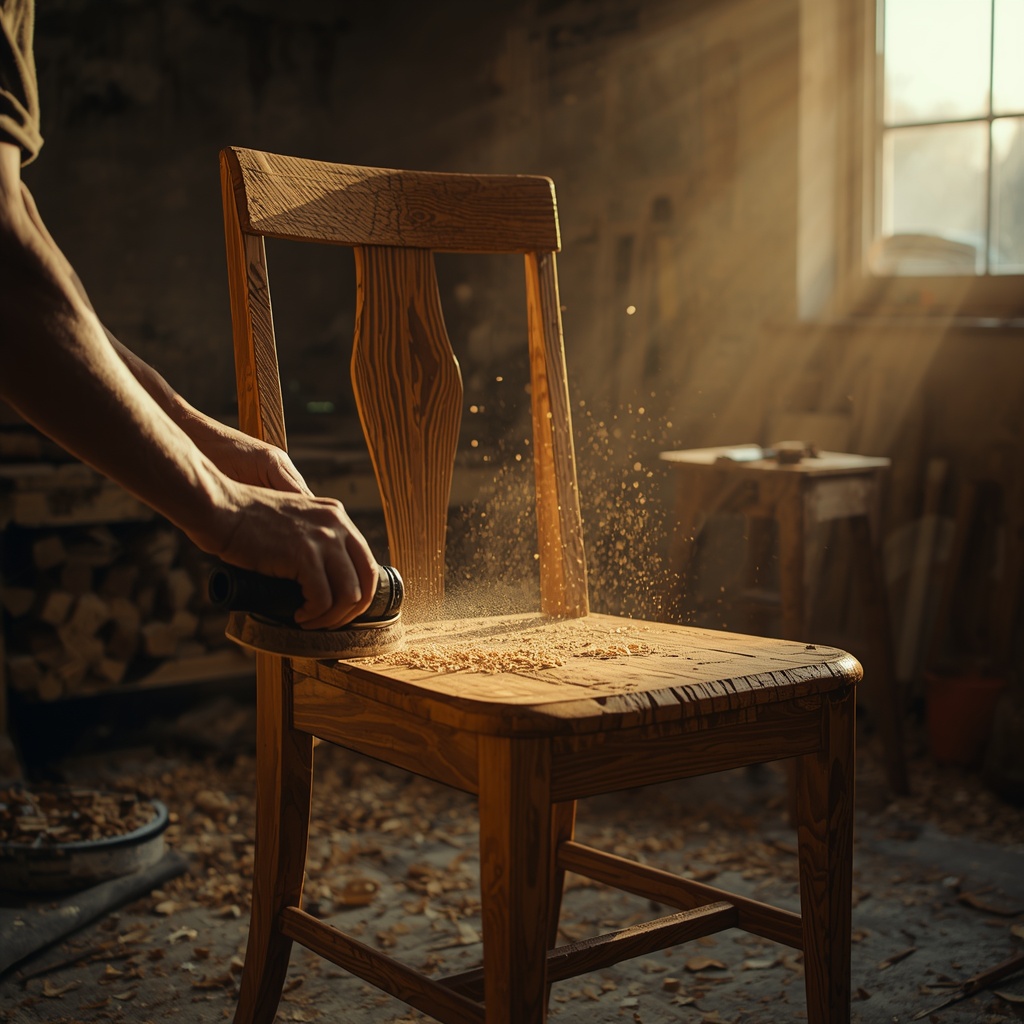
This is where transformation begins. Sanding removes old finishes and exposes fresh wood.
At this stage, you’ll often hear professionals talk about Furniture Restoration as a blend of craftsmanship and material science because each surface reacts differently depending on humidity, wood type, and age.
Step 4: Repair Work
Fix broken joints, replace missing parts, or reinforce weak areas using adhesive and clamps.
Step 5: Refinishing
Apply stain or paint evenly to restore visual appeal.
Step 6: Sealing and Protection
Finish with varnish or wax to protect against moisture and scratches.
Common Mistakes Beginners Make
Even simple projects can go wrong if you’re not careful:
- Over-sanding and damaging wood texture
- Using the wrong adhesive for joints
- Skipping cleaning before painting
- Applying thick layers of paint too quickly
Patience is the real secret ingredient here.
Modern Techniques in Furniture Restoration
Today’s restoration blends tradition with technology:
- Laser cleaning technology for delicate surfaces
- Microscopic wood analysis for damage detection
- Eco-friendly water-based coatings
- Digital color matching systems
These methods help restorers maintain precision while reducing human error.
Cost and Value Breakdown
Restoration costs depend on:
- Material type (oak, pine, teak)
- Damage level
- Labor time
- Finishing quality
However, restored furniture can increase in value, especially antique pieces. Some even appreciate like art over time.
DIY Tips and Pro Hacks
Here are some practical insights:
- Always test paint on a hidden area first
- Use vinegar solution for mild cleaning before chemicals
- Keep humidity stable during drying
- Rotate furniture while working for even finishing
Small habits make a big difference in results.
Sustainability Impact of Furniture Restoration
Restoration plays a huge role in reducing landfill waste. Instead of discarding furniture, reusing materials lowers carbon footprint and supports circular economy models.
It also encourages mindful consumption—buy less, restore more, and value what already exists.
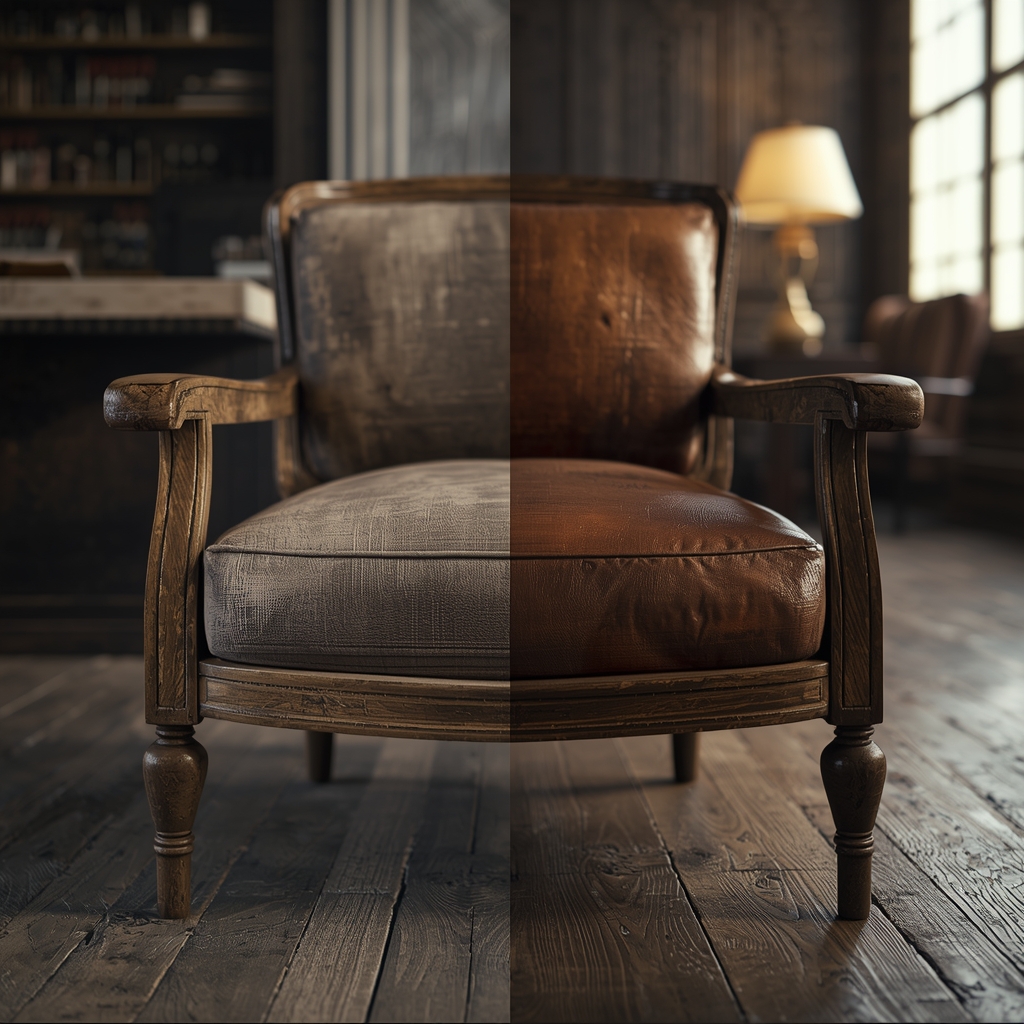
Furniture restoration isn’t just a hobby—it’s a mix of creativity, science, and emotional storytelling through objects that already exist. Every scratch has a history, and every repair adds a new chapter.
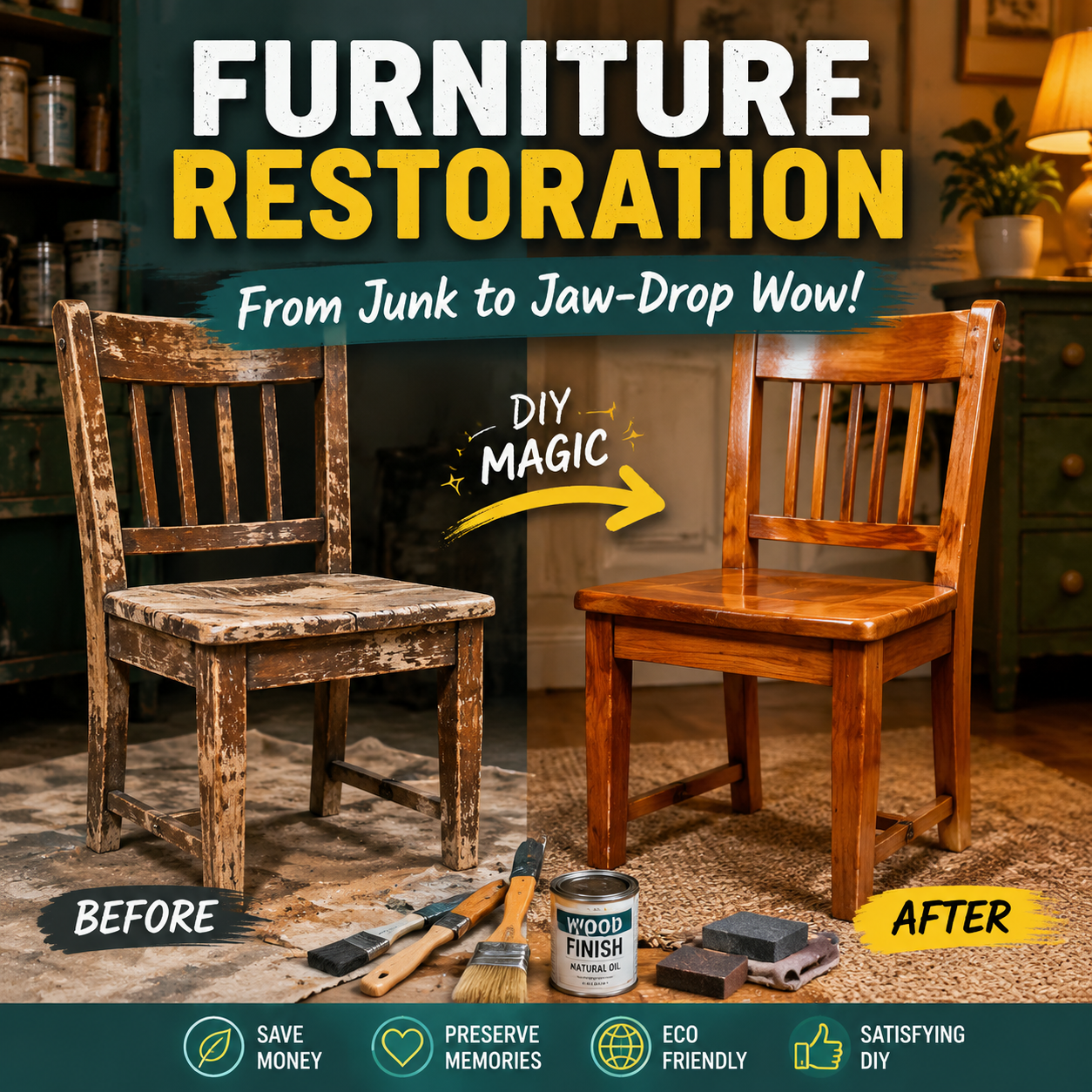
In the end, Furniture Restoration Gone Wild: From Junk to Jaw-Drop Wow DIY shows that even the most forgotten chair or table can become something extraordinary again when treated with care, patience, and a little imagination.